Diplomatic impasse deepens on day 74 of US-Iran conflict as ceasefire described as being on life support
The exchange has intensified uncertainty regarding a negotiated end to the war and exacerbated the ongoing global energy crisis
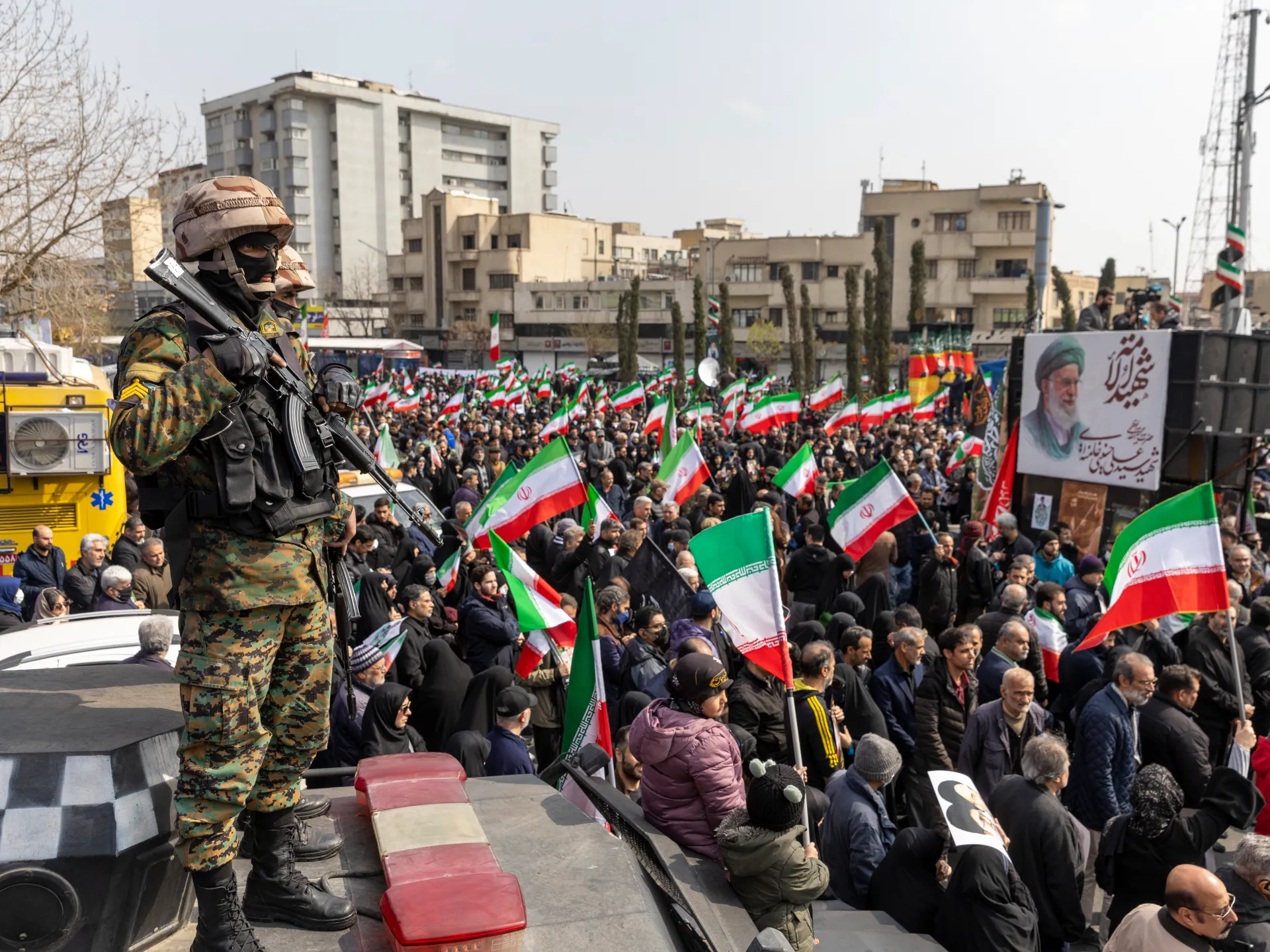
On day 74 of the ongoing conflict between the United States and Iran, diplomatic relations have deteriorated significantly following a sharp exchange between Washington and Tehran. US President Donald Trump has rejected Iran's latest peace proposal, dismissing the offer as "stupid" and asserting that the current ceasefire is on "massive life support". This rejection marks a critical juncture in the seventy-fourth day of hostilities, with the fragile truce appearing increasingly precarious.
In direct response to the American President's comments, Iranian parliamentary speaker Mohammad Bagher Ghalibaf issued a stern warning from Tehran. He stated that Iranian forces are prepared to retaliate against any aggression, claiming that the United States would be "surprised" by the scale of the response. This rhetoric underscores the deepening uncertainty surrounding efforts to secure a negotiated end to the war, which has already triggered a severe global energy crisis.
The impasse highlights the significant differences in approach between the two nations as the conflict enters its second month. While President Trump has continued to insist that a diplomatic solution remains possible, his characterisation of the ceasefire as being on life support suggests a lack of confidence in the current arrangements. Conversely, the explicit warning from Speaker Ghalibaf indicates that Tehran views any further American moves as a direct provocation that could escalate the situation.
The diplomatic stalemate has occurred against a backdrop of broader geopolitical activity, including a state visit by King Charles to the United States. Despite a recent shooting at a White House dinner attended by President Trump, Buckingham Palace confirmed that the King's four-day visit would proceed as planned. The itinerary includes a private meeting with the President, aiming to strengthen US-UK relations amidst these regional tensions and differences over the Iran war.
As the conflict continues, the specific terms of Iran's latest proposal remain undisclosed, leaving analysts to speculate on the content that led to such a dismissive reaction from the US administration. The precise nature of the "surprise" Ghalibaf claims the United States will face regarding Iran's retaliatory capabilities also remains unclear, adding to the volatility of the situation.
Ultimately, the exchange between President Trump and Speaker Ghalibaf has deepened the uncertainty regarding the path forward for the conflict. With the ceasefire described as being on massive life support and threats of retaliation hanging in the air, the global energy crisis triggered by the war shows no sign of abating. The international community watches closely as diplomatic efforts struggle to bridge the widening gap between Washington and Tehran.