Diplomatic Friction and Economic Strain Erode India's Aspirational View of the United States
While the Modi administration maintains a restrained official stance, influential media voices and public sentiment are increasingly critical of Washington's recent diplomatic posture and economic policies.
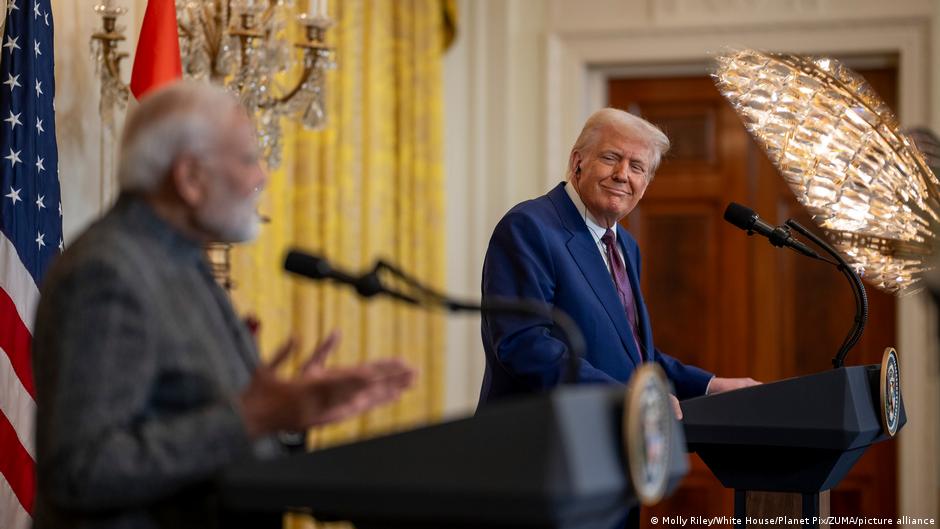
Anti-US sentiment in India is intensifying as a combination of economic hardship stemming from the ongoing US-Israel war with Iran and specific diplomatic frictions under President Donald Trump's second term erodes public goodwill. This shift marks a significant departure from the aspirational ties that characterised the relationship in early 2025, replacing them with a transactional outlook driven by perceived strategic imbalance and tangible economic pain.
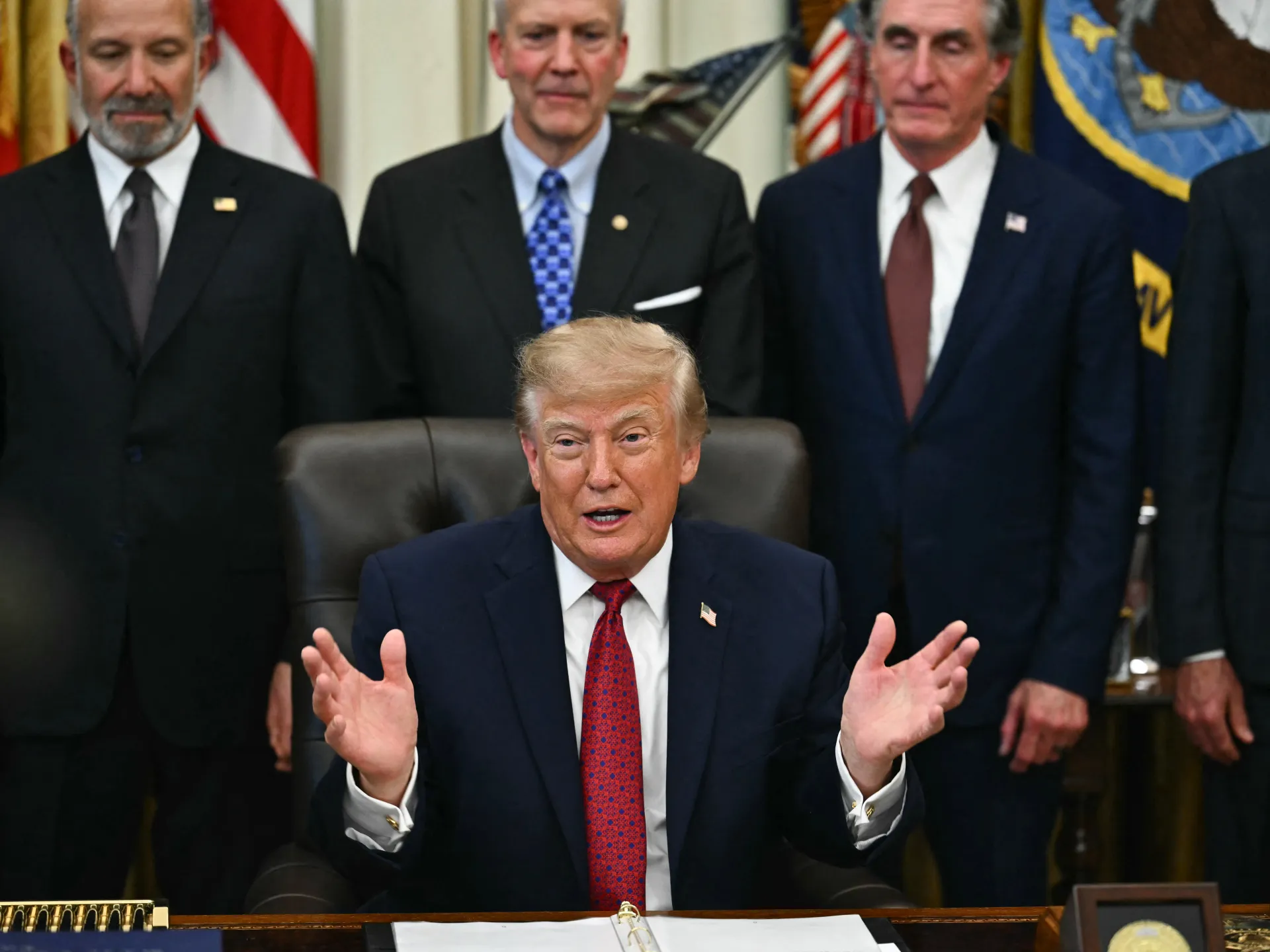
The deterioration of this relationship has been catalysed by a series of high-profile incidents, including President Trump's social media comments referring to India as a "hellhole" and the imposition of a 50 per cent tariff on Indian imports linked to Russian oil purchases in July 2025. These actions, alongside a diplomatic dispute regarding Trump's claim to have brokered a ceasefire in Kashmir, have triggered immediate backlash. While the Modi government has chosen to respond with maturity and restraint to preserve the strategic alliance, the internal frustration among officials and the wider public is palpable.
Influential Indian YouTubers and mainstream television outlets, which previously championed pro-Trump narratives, have rapidly abandoned this stance. Prominent figures such as Nitesh Rajput and Shams Sharma now publish content that questions the US administration's approach, reflecting a broader media correction. This shift is evident in news coverage which now depicts casualties and destruction in the Iran war with asymmetrical sympathy removed, treating both sides equally rather than offering the previous pro-American bias.
The economic repercussions of the regional conflict have further accelerated this sentiment. Independent journalist Karen Rebelo notes that the war has caused the rupee to hit a record low, resulted in significant stock market losses, and disrupted supply chains for import-dependent India. Former diplomat Navtej Sarna and think tank analyst Hemant Krishan Singh describe the relationship as being at an inflection point, noting that singling out India for Russian oil purchases while granting other buyers a free pass has shaken mutual confidence and dissipated public support.
Despite the cooling of public enthusiasm, the strategic importance of the partnership remains central to global strategies, with the United States continuing to be India's largest trading partner and a key counterweight to China in the Indo-Pacific. The Modi administration has decided to keep working on the relationship to avoid losing it entirely, even as experts like Christopher Landau suggest that the US administration views India through a lens that prioritises strategic caution over past warmth.
Ultimately, the recalibration of India's view of the United States is driven as much by lived economic strain as by geopolitical disputes. For many Indians, the US is increasingly seen not merely as a model to emulate, but as a power whose decisions can directly disrupt lives far beyond its borders, suggesting this shift may prove more enduring than any single diplomatic rift.