Digital theatre in Tehran: AI-generated satire reframes the Iran conflict narrative
FRANCE 24's Tehran correspondent reports on content that blurs the line between entertainment and propaganda as part of a broader "meme warfare" strategy against US officials.
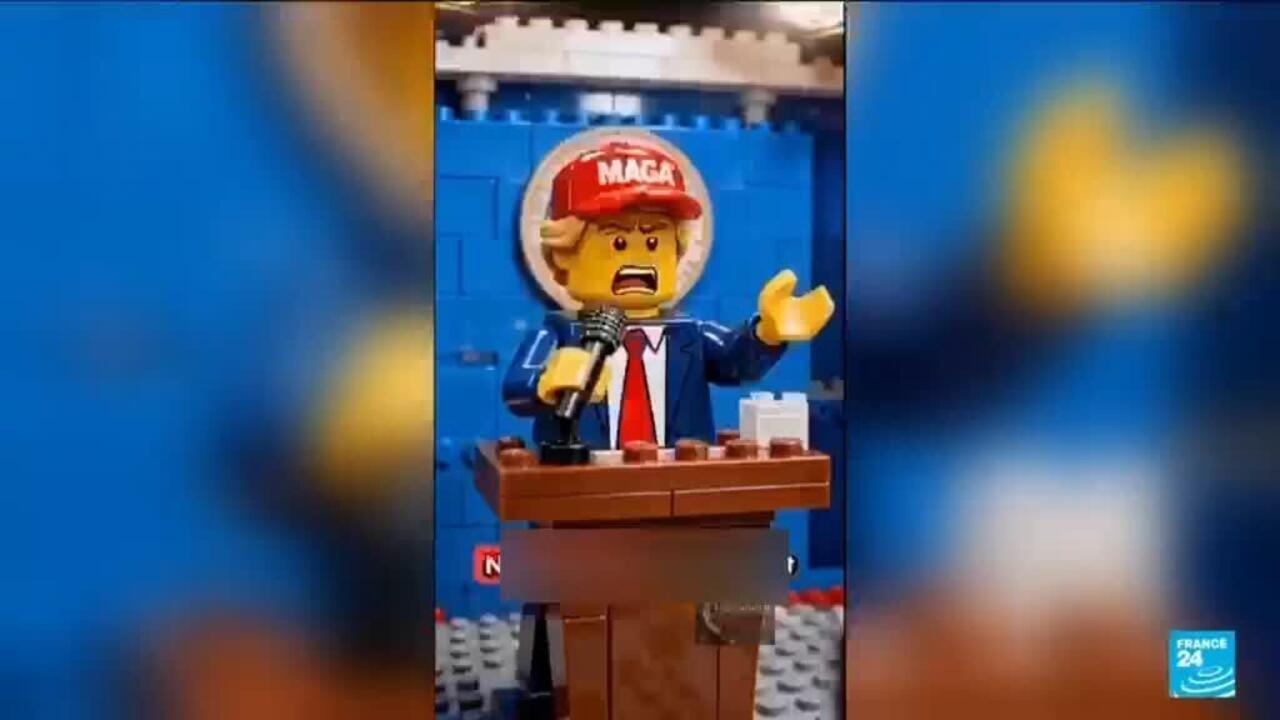
Viral artificial intelligence videos, styled with LEGO aesthetics, have saturated social media platforms with satirical depictions of Donald Trump's conduct during the war in Iran. The material has accumulated millions of views, drawing attention to a specific content creator whose work has been the subject of an interview by FRANCE 24's Tehran correspondent. This interaction underscores a growing ambiguity in the digital sphere, where the distinction between light entertainment and state-aligned propaganda becomes increasingly indistinct.
The production of these videos represents a tactical evolution in how the conflict is being communicated to global audiences. By utilising familiar toy aesthetics to mock a former US leader, the content bypasses traditional news filters to engage directly with social media users. The sheer volume of engagement suggests that this format resonates more effectively with current digital consumption habits than conventional reporting methods.
This specific incident is not an isolated phenomenon but rather a symptom of a wider strategic pivot by Iranian official accounts. According to a study conducted by the Institute for Strategic Dialogue, engagement metrics for these entities have surged between 14 and 30 times compared to the pre-war period. The data indicates a deliberate effort to dominate the information space through viral content rather than traditional diplomatic messaging.
In the first 50 days of the conflict, posts originating from Iran's embassies and other official channels collectively generated approximately 900 million views and 22 million likes. This performance significantly outperformed official US government messaging during the same timeframe, suggesting a successful reallocation of resources toward digital influence operations. The disparity in reach highlights the shifting balance of public perception in the region.
The content creator interviewed by the correspondent noted that the material deliberately blurs the line between amusement and political messaging. This qualitative assessment suggests that the primary objective is not merely to entertain but to shape the narrative surrounding the war in a manner that is difficult for official counter-narratives to address directly. The strategy relies on the organic spread of content rather than paid promotion.
While the specific identity of the creator remains unverified in available reports, the institutional impact of such digital campaigns is clear. The surge in engagement metrics, validated by independent analysis, demonstrates that modern conflict increasingly plays out in the realm of digital media. As these AI-generated videos continue to circulate, they serve as a potent example of how non-state actors and official embassies are leveraging technology to influence global opinion.