Digital driver’s licences offer selective disclosure, but privacy risks remain
Mobile licences can limit the information shared and add device authentication, but tracking, data retention and phone failures remain concerns.
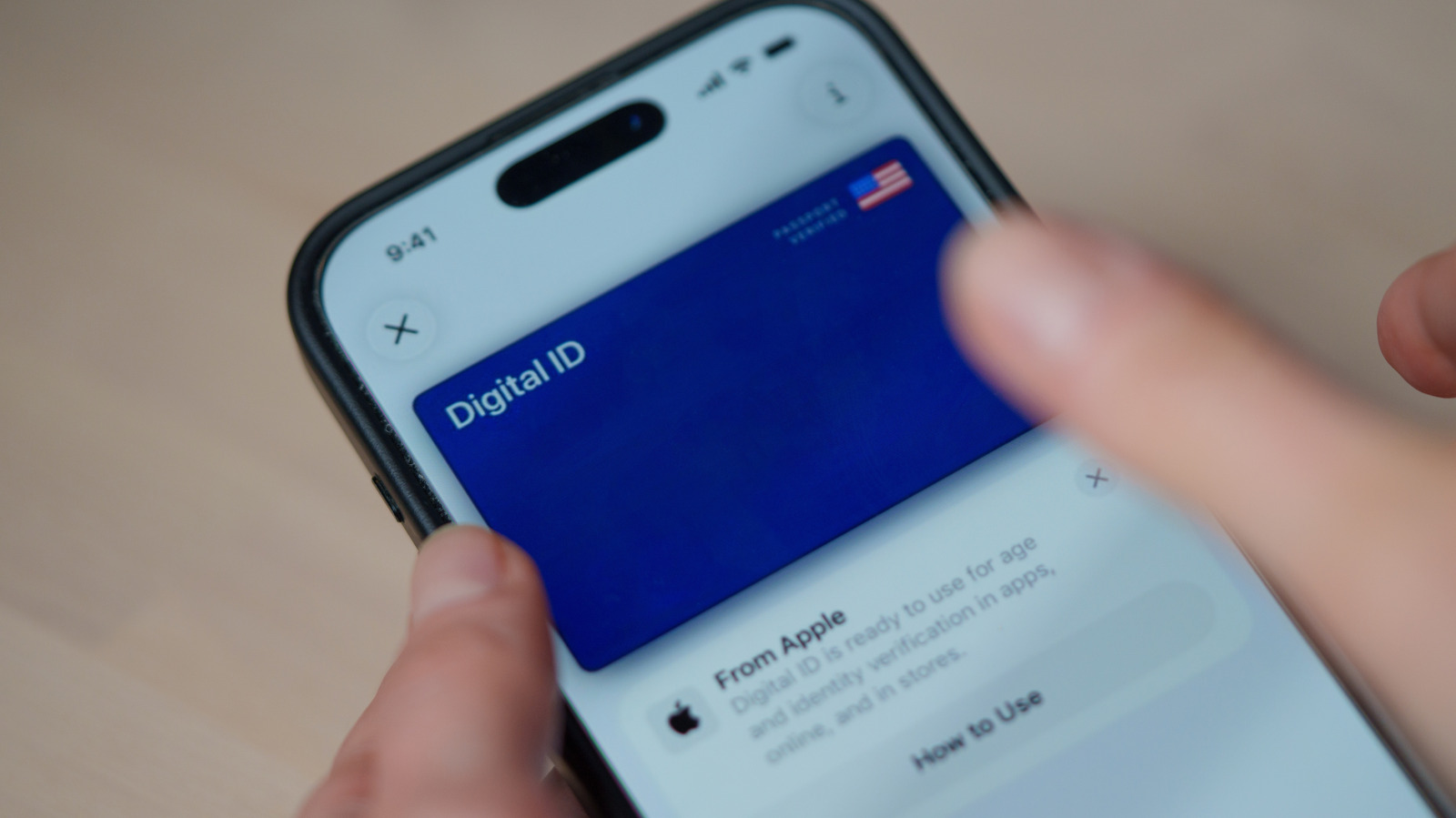
Digital driver’s licences can reveal less information than physical cards, but moving identification to a smartphone introduces privacy and reliability risks, according to Engadget.
A standards-based mobile driver’s licence contains digitally signed information that compatible readers can verify. It can support selective disclosure, allowing a verifier to confirm that someone is over 21 without receiving their full birth date, address or licence number.
Apple Wallet and Google Wallet reportedly show the information requested before sharing and require device authentication. Apple says licence data is encrypted, while Google says US licences and state IDs are encrypted and stored locally rather than in a Google Account.
Privacy concerns remain over server retrieval, which can allow an issuing authority to provide licence information directly to a reader and potentially learn when or where it is used. The Center for Democracy & Technology has called this the “phone home” problem. The American Association of Motor Vehicle Administrators prohibited server retrieval in its 2025 guidance, a position reportedly retained in implementation guidelines published in July 2026.
Protection also depends on what happens after information is shared. Wallets may indicate whether a requester intends to retain particular details, but the wallet cannot necessarily control how an organisation uses that data. Legal safeguards vary by location; New Jersey, for example, bars organisations from requiring a person to hand over their device during presentation of a digital ID.
The American Civil Liberties Union has warned that wider access to government-backed digital IDs could encourage more online services to require identity or age checks. That concern relates to potential future use, rather than evidence that current digital licences track web activity. A lost phone can be remotely erased or have its digital ID removed, but a dead, damaged or unsupported device may leave the credential unavailable. For now, digital licences are best treated as a complement to physical cards.