Digital clinics: Mental health care moves online as global access gaps widen
Licensed psychologists and psychiatrists are increasingly using social media to bridge global gaps in mental health care, though experts debate whether digital engagement can replace structured, evidence-based treatment.
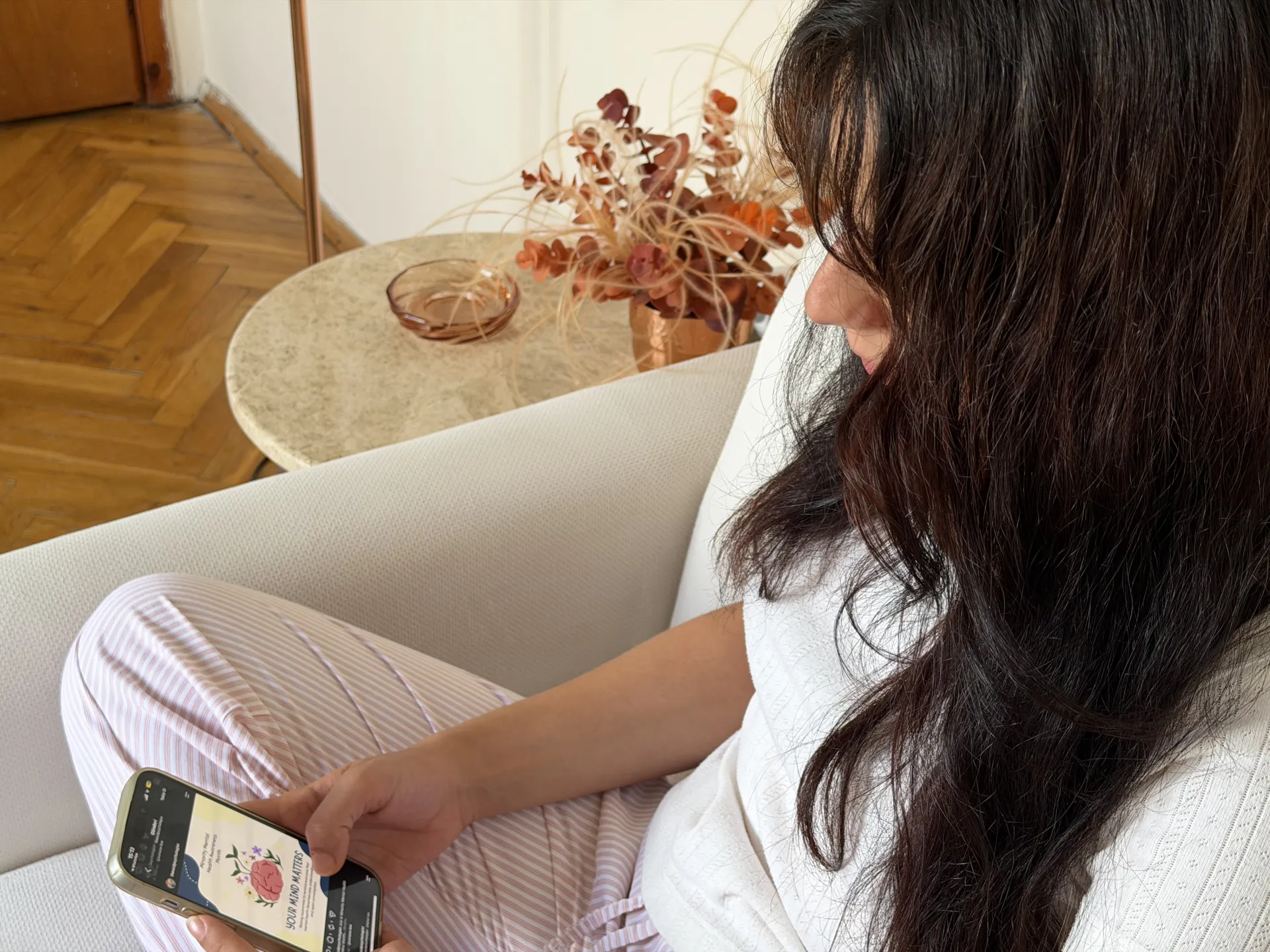
Licensed psychologists and psychiatrists are increasingly utilising social media platforms, particularly TikTok and Instagram, to deliver mental health education directly to the public. This shift moves clinical discourse from traditional consulting rooms to digital spaces, fostering greater empathy and awareness regarding conditions such as anxiety, ADHD, and trauma. The trend is driven by significant global gaps in mental healthcare access; according to the 2025 World Health Organization (WHO) report, two-thirds of countries have only one psychiatrist per 200,000 people, and only nine percent of people with depression globally receive adequate treatment.
The scale of this digital presence is evident in platform metrics, although the total volume of mental health content remains difficult to quantify. On TikTok, views for the #anxiety hashtag rose from six billion in late 2021 to 16.1 billion by mid-2022. The broader #MentalHealth hashtag saw similarly rapid growth, climbing from 25.3 billion views in March 2022 to more than 100 billion by August 2023, according to studies published in The Journal of Medical Internet Research and JMIR Infodemiology. These figures measure individual hashtags rather than the phenomenon as a whole, leaving untagged content and discussions using alternative terminology outside their scope.
While this digital presence improves information access in resource-limited regions, experts debate its efficacy compared to evidence-based treatment. Psychiatrist Janagan Alagarajah, a digital global mental health specialist, notes that youth-friendly language and anonymity can make social media feel safer and more immediate than formal care. However, he distinguishes psychoeducation from treatment, arguing that while social media supports gathering information and pathways into care, it lacks the structured, evidence-based interventions and safeguards required for clinical treatment.
Concerns include the potential for misinformation, self-diagnosis, and commercialisation. Dr Katie Rose Saunders, a research associate at Keele University, analysed TikTok activity from 2021 to 2023 and found users actively debating self-diagnosis, with some avoiding formal diagnosis and others pushing back against it. Dr Jonathan Shedler, an American psychologist, warns against "thera-slop" content created for engagement rather than expertise, noting that platform algorithms often prioritise engagement over clinical accuracy. He argues that public visibility is frequently treated as a proxy for knowledge, a distinction that may not hold true in a digital landscape.
Commercialisation adds another layer of complexity to the institutional framework. Psychiatrist Dr Gorkem Yilmaz argues that greater access to information does not equate to democratisation, noting that clinical work requires individual context which social media lacks. He observes that the authority of the expert changes form online, with follower counts and visibility becoming new markers of trustworthiness. Yilmaz warns that psychological literacy is rising while real treatment relationships and public services are not strengthening at the same rate, leaving a gap between digital awareness and actual care.
Clinical psychologist Robert Roopa, who runs the Instagram page @theocdpsychologist, sees social media as an opportunity for public education and professional visibility, allowing professionals to reach audiences beyond traditional books and academic articles. He acknowledges that social media can connect clinicians with potential clients and referral sources, but argues that accessibility is the larger benefit, reducing stigma and improving mental health literacy. Roopa highlights boundary problems when followers seek personalised advice, arguing that such situations require clearer policies around professional boundaries and crisis responses.
The public-health challenge, according to Dr Alagarajah, is not whether mental health information should be on social media, but how to ensure it is evidence-based, appropriately governed, and clearly connected to safe, qualified care. He argues that algorithms can amplify misinformation and create echo chambers, requiring stronger platform safeguards and digital literacy. At its best, social media can function as a low-cost extension of the mental health system, providing psychoeducation, community support, and pathways into care, but it cannot replace the structured interventions of formal psychological care.