Digital archives and the reclamation of Liberian history
Initiatives like Archive Liberia and collaborations with the Liberia Tourism Authority aim to counter misinformation and external narratives, though internet access and literacy rates remain significant barriers.
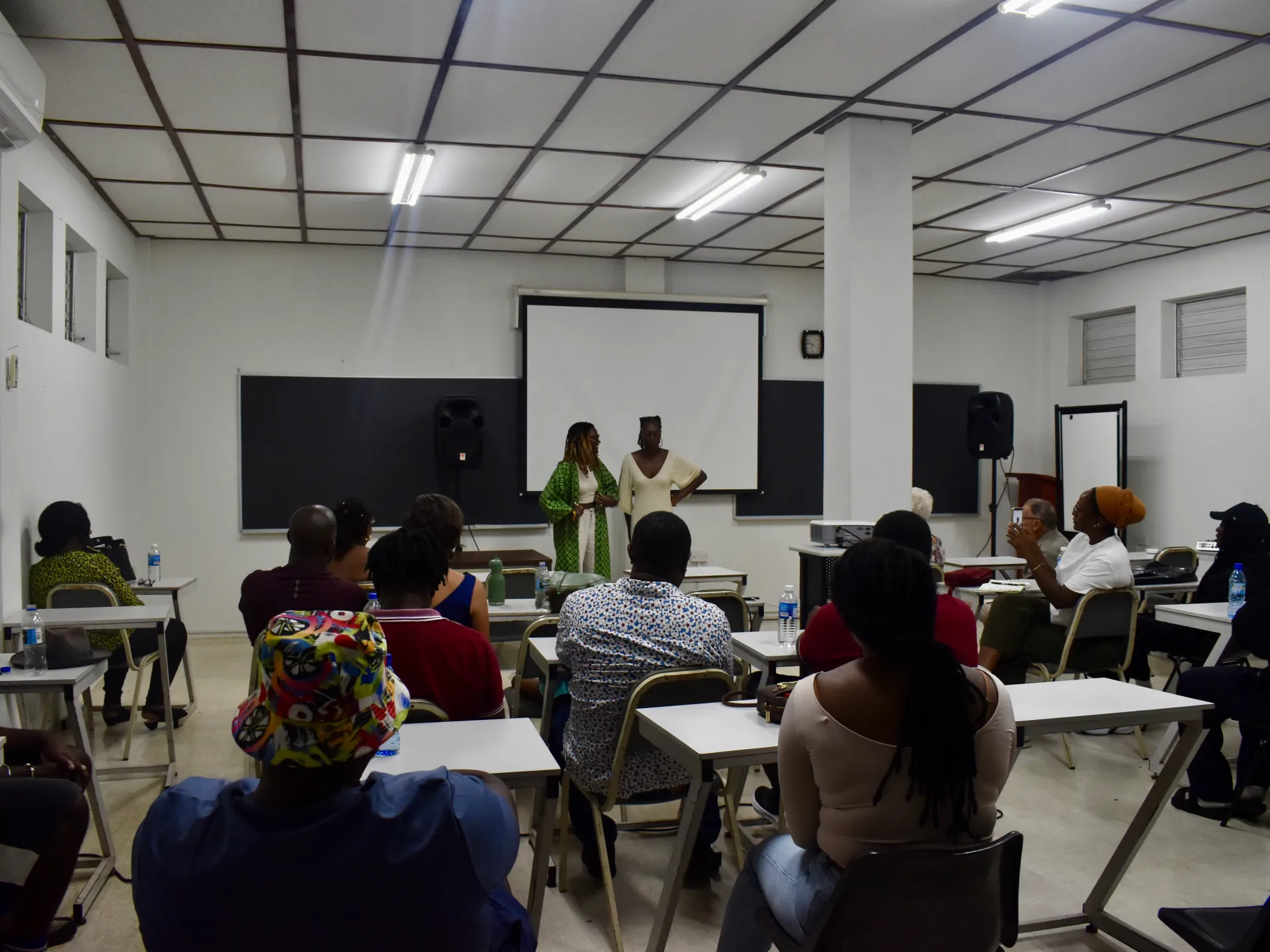
Young Liberians are increasingly utilising digital platforms, including TikTok, Facebook, YouTube, and podcasts, to document and preserve national history. This shift represents an evolution in cultural transmission, moving from traditional elder-led storytelling in palava huts to digital engagement. Initiatives such as Archive Liberia, founded by Bilphena Decontee Yahwon, seek to contextualise personal and national history, while stakeholders like the Liberia Tourism Authority collaborate with historians to enhance resource access.
The move to digital archiving follows the severe disruption of intergenerational oral history transmission caused by Liberia’s civil wars between 1989 and 2003. The conflict resulted in an estimated 250,000 deaths and the displacement of hundreds of thousands, severing the chain of knowledge that had previously been maintained by unpaid elders. Historically, Liberia lacked the formal griot caste found in the Sahel, relying instead on community gatherings for the preservation of family histories and cultural traditions.
Bilphena Decontee Yahwon established Archive Liberia as a memory and political education project to explore Liberian history through research and public storytelling. Yahwon stated that her motivation stemmed from a personal desire to contextualise her own story of war and migration within the broader history of Liberia, noting that she realised she was part of a larger web of stories that required understanding the nation’s past before and after the 1800s.
Patrick Burrowes, a Liberian historian, noted that while Liberia lacked the formal griot caste of the Sahel, elders historically transmitted knowledge on an unpaid basis until the war severed this chain. He highlighted that traditional storytellers underwent rigorous training with fact-checking by elders, a safeguard largely absent in social media environments where users post information without vetting, often prioritising influence over social responsibility.
Zuleka Dauda, chief programme officer at the Center for Integrated Solutions, described the shift to digital platforms as an evolution of culture rather than a loss, noting that young people now "gather around TikTok" instead of palava huts. The Liberia Tourism Authority is reportedly collaborating with historians and content creators to enhance access to historical resources, aiming to produce accurate and engaging stories about the country.
Despite these efforts, significant challenges persist regarding internet connectivity, literacy rates, and the spread of misinformation. World Bank figures indicate that just over one in three Liberians uses the internet, while government estimates place literacy among those aged 15 and above at 58.6 percent. These barriers limit who can participate in the growing digital archive and make it difficult for many to verify historical claims.
The Liberia Institute for Statistics and Geo-Information Services reported in 2022 that internal migrants comprise 46.7 percent of the urban population, reflecting significant social structural changes that have altered where stories are shared. As urbanisation continues, the places where oral histories were traditionally shared have changed, yet the need to preserve them remains urgent for a generation seeking to reclaim narratives often shaped from outside the country.