DHS revises account of Maine ICE shooting as protests erupt
Conflicting statements from US authorities regarding the death of a 26-year-old Colombian national in Maine have intensified scrutiny of federal immigration enforcement protocols.

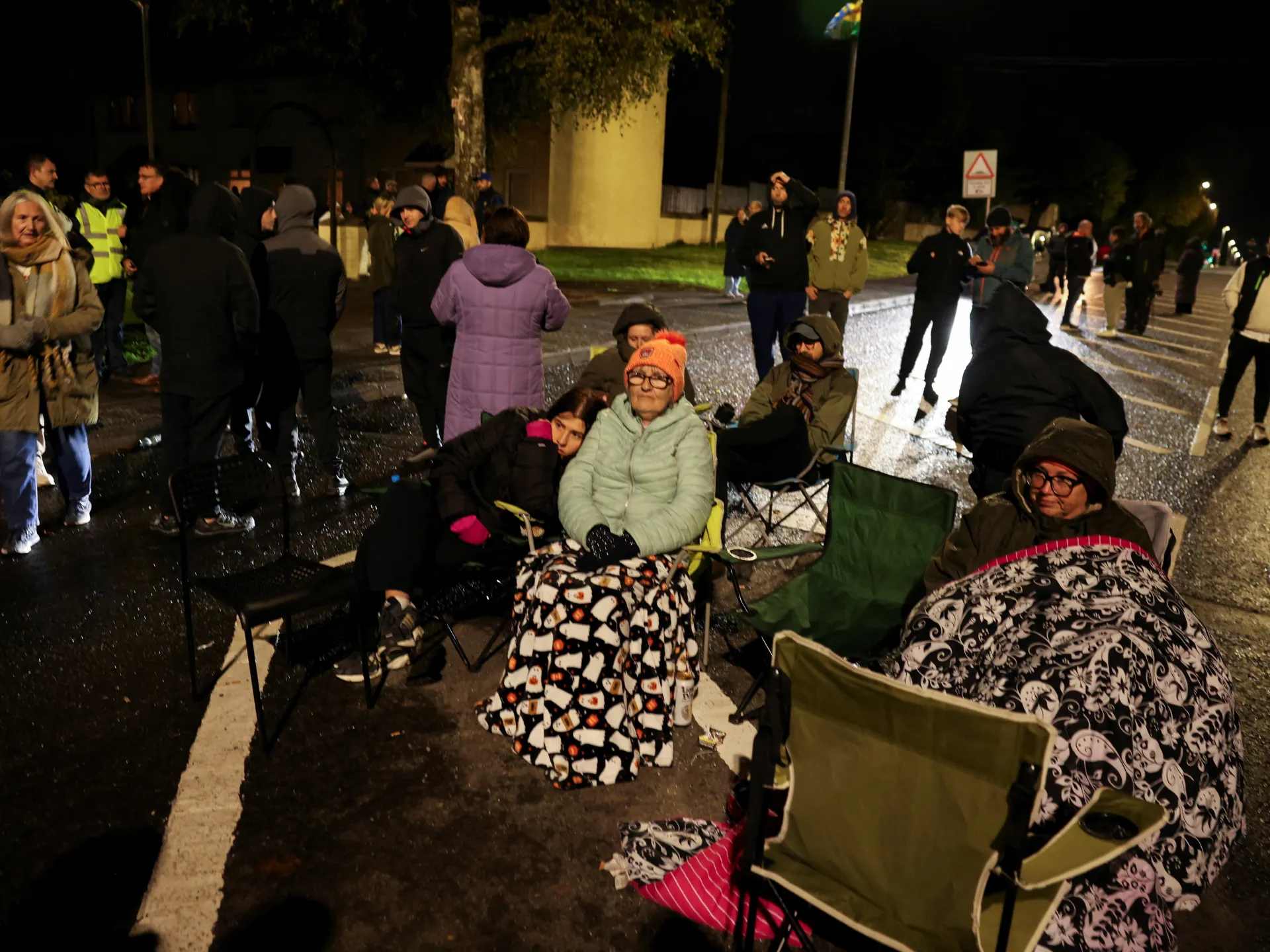
Tensions have escalated in Maine following the fatal shooting of a 26-year-old Colombian man by US Immigration and Customs Enforcement (ICE) agents early on Monday morning. The incident has triggered immediate anti-ICE demonstrations in the area, drawing attention to the operational conduct of federal law enforcement agencies.
Department of Homeland Security (DHS) Secretary Markwayne Mullin initially provided a statement describing the deceased as a specific target of an ongoing ICE investigation. In that initial account, Mullin asserted that the man had attempted to "weaponise" his vehicle, a claim that framed the use of lethal force as a response to an imminent threat posed by the suspect.
However, the Department of Homeland Security subsequently revised its position, contradicting the earlier narrative. The agency confirmed that the man was not the target of the investigation, removing the justification of a targeted enforcement action from the official record.
In its updated description, the DHS characterised the man’s actions as an attempt to flee the scene rather than an act of weaponising his car. This shift in terminology from a targeted engagement to a pursuit scenario marks a significant departure from the initial official explanation provided hours earlier.
The inconsistency between the two statements has drawn focus to the transparency of federal immigration operations. As the DHS clarifies its account, local communities have mobilised in protest, reflecting broader concerns regarding the conduct and accountability of ICE agents during field operations.
The identity of the deceased has not been released in the source material, nor have further details regarding the specific nature of the ICE investigation been disclosed. The incident remains under review as authorities navigate the discrepancy between their initial and revised statements.