Deprivation gap drives 40% rise in children’s respiratory hospital admissions
Charity Impact on Urban Health calls for overhaul of Clean Air Act as experts warn of long-term health consequences for children in poorest postcodes
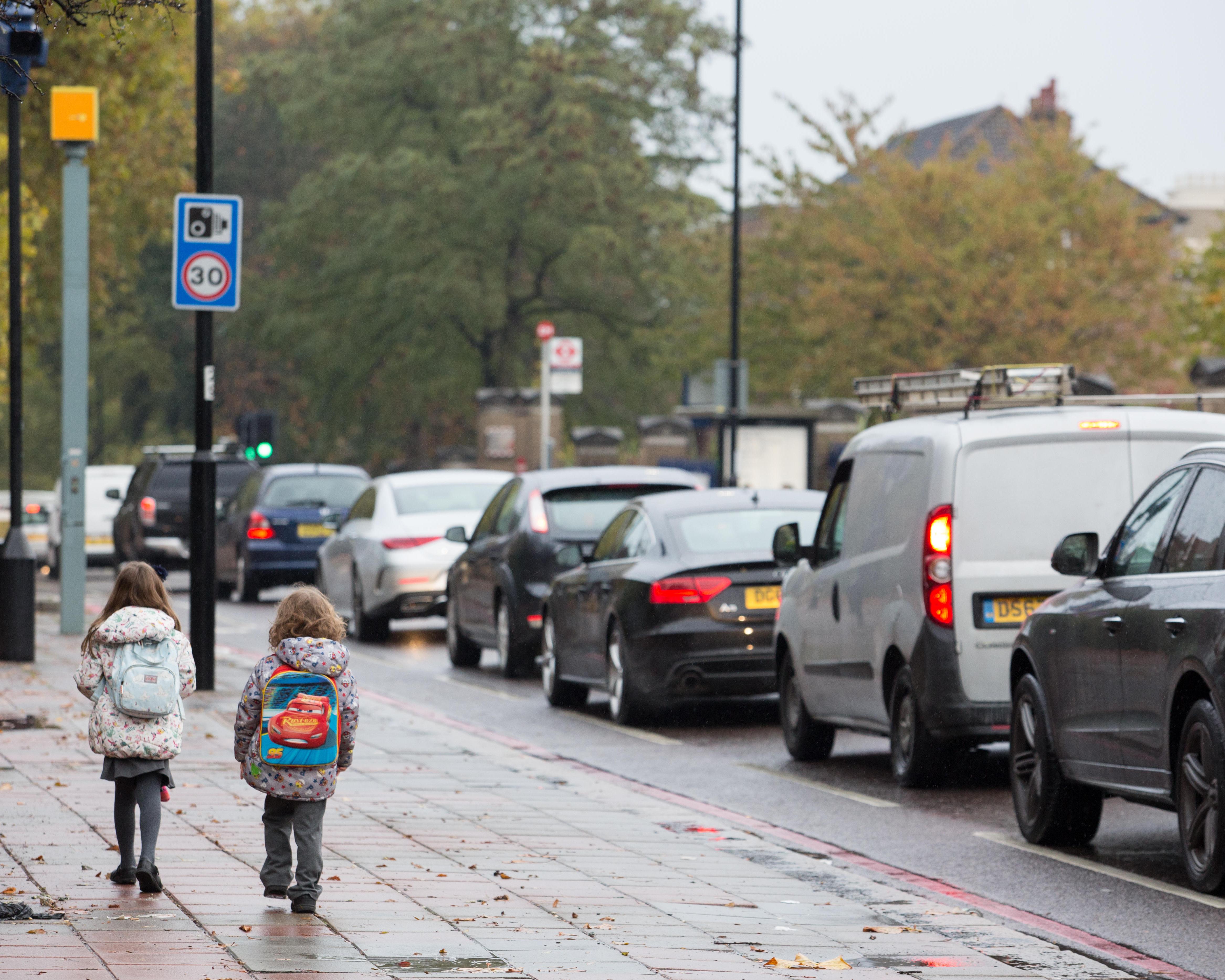
Children residing in England’s most deprived areas are 40 per cent more likely to be admitted to hospital for respiratory infections than their peers in the least deprived regions, according to new analysis of NHS England data. The findings, released by the charity Impact on Urban Health, highlight a significant disparity in health outcomes that experts attribute to environmental factors and systemic inequalities.
The study, conducted through freedom of information requests, examined data for the 2024/25 period. It recorded 1,941 hospital admissions per 100,000 children in the poorest quintile, compared to 1,380 per 100,000 in the least deprived areas. In absolute terms, the most deprived areas registered 82 per cent more admissions, a figure that equates to a 41 per cent higher rate when adjusted for population size.
Dr Gergo Baranyi, a senior research fellow at University College London, noted that while air pollution is a primary risk factor, it is not the sole driver of these inequalities. He pointed to poor-quality housing, overcrowding, damp, mould, outdated heating systems, and exposure to indoor smoking as additional hazards prevalent in deprived neighbourhoods. These conditions, he argued, shape individual circumstances and can have lasting consequences on children’s health and wellbeing.
Ben Pearce, who leads a programme on the health effects of air pollution at Impact on Urban Health, described the admission rates as shocking and appalling. He argued that decades of planning decisions have concentrated lower-income communities near busy roads and industrial sites, exposing them to higher levels of toxins. Pearce called for an immediate overhaul of the Clean Air Act, urging the government to implement legally binding targets aligned with World Health Organization guidelines to prioritise deprived communities.
Dr Helena Clements, officer for climate change at the Royal College of Paediatrics and Child Health, warned that air pollution is damaging developing lungs and widening health inequalities from the earliest years. She emphasised that tackling pollution is essential to ensuring every child receives a healthy start regardless of their postcode. The Department of Health and Social Care was approached for comment but had not responded at the time of publication.