Delhi police ban parliament march by Cockroach Janata Party amid standoff
The opposition movement confirms it will proceed with the demonstration despite security restrictions, following the court-ordered hospitalisation of activist Sonam Wangchuk.
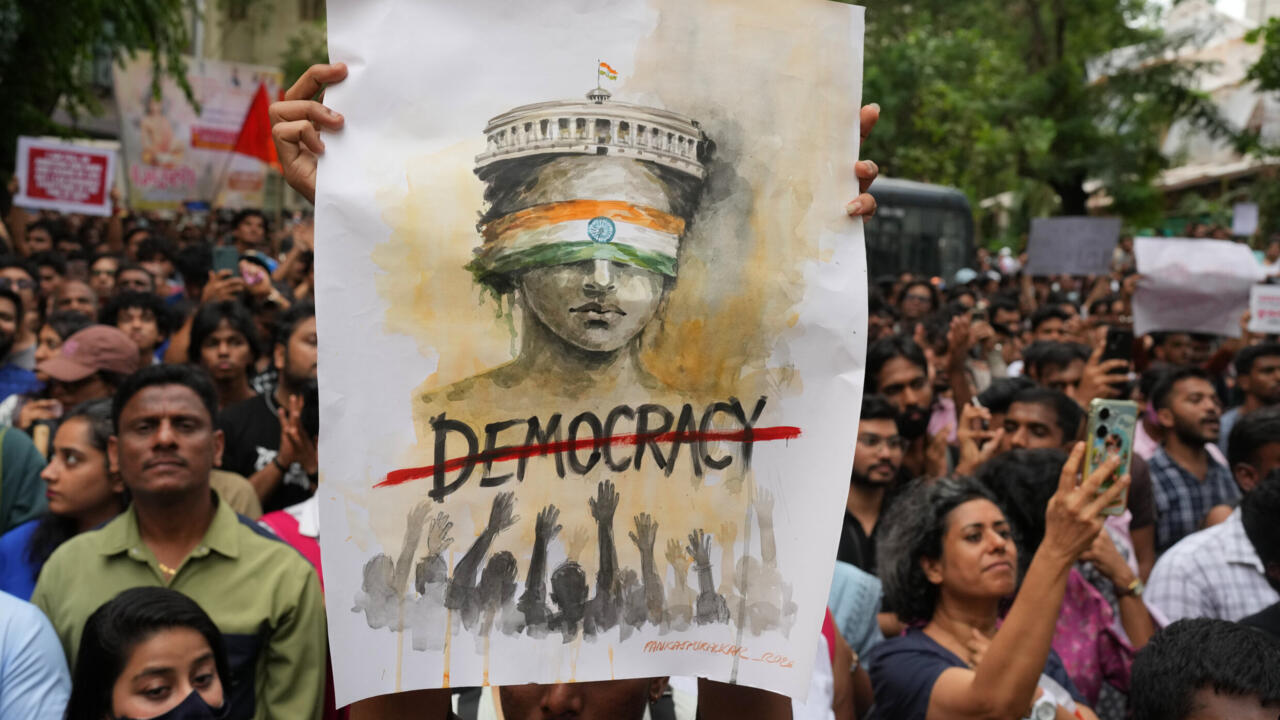
Police in New Delhi have prohibited a planned march on the Indian parliament by supporters of the opposition Cockroach Janata Party, a move that risks a direct standoff as the country’s legislature prepares to open its monsoon session. The ban, issued on Sunday, targets a demonstration scheduled for Monday, 20 July, which the party has vowed to hold despite official restrictions.
The decision comes amid heightened security arrangements for the parliamentary proceedings and follows the forced hospitalisation of hunger-striking activist Sonam Wangchuk. Authorities cited orders prohibiting assemblies of five or more persons outside designated sites, specifically the Jantar Mantar observatory, where protesters have been camping for more than three weeks. Police stated on X that strict measures were necessary to ensure public safety and protect vital government installations during the session.
The Cockroach Janata Party, a youth-led movement that gained viral traction online after amassing 22 million Instagram followers since May, confirmed it would proceed with the march. A party spokesperson told Linxi News that the demonstration was “happening for sure,” adding that organisers were “figuring out the rest” of the logistics. The movement has expanded beyond its initial online base to present a significant political challenge, reflecting broader frustrations among young Indians regarding youth unemployment and exam integrity.
Tensions escalated on Saturday when Wangchuk was forcibly removed from his protest site and transferred to Safdarjung Hospital after a 20-day hunger strike. His wife, Gitanjali Angmo, described the action as “illegal detention,” noting the heavy police presence at the facility. While the government opposed Angmo’s request to transfer Wangchuk to the privately run Medanta Hospital, citing health caution, Safdarjung Hospital reported that his vital parameters were stable, though his blood parameters remained “marginally altered” and required round-the-clock monitoring.
A Delhi court ruled on Sunday that authorities were within their rights to move Wangchuk, stating that no force was used against him and his bodily autonomy was not violated. Judge Mini Pushkarna noted that doctors had administered only oral fluids and supplements with Wangchuk’s consent, despite his deteriorating health and refusal to formally admit himself. Wangchuk, through a message posted by his wife on X, framed the upcoming march as “India’s 2nd FREEDOM MOVEMENT,” demanding freedom from injustice regarding exam paper leaks and freedom from fear over his detention.
The incident has intensified calls for the resignation of the education minister over the exam paper leaks that affected millions of students. As the Cockroach Janata Party prepares to challenge the police ban, the situation highlights the growing friction between the Modi government and youth activists over civil liberties and institutional accountability.