Deadly highway bombing in southwestern Colombia leaves at least 20 dead ahead of election
The blast near a tunnel on the Pan-American Highway has intensified security concerns just over a month before the national vote, with regional officials confirming the death toll includes 15 women and five men.
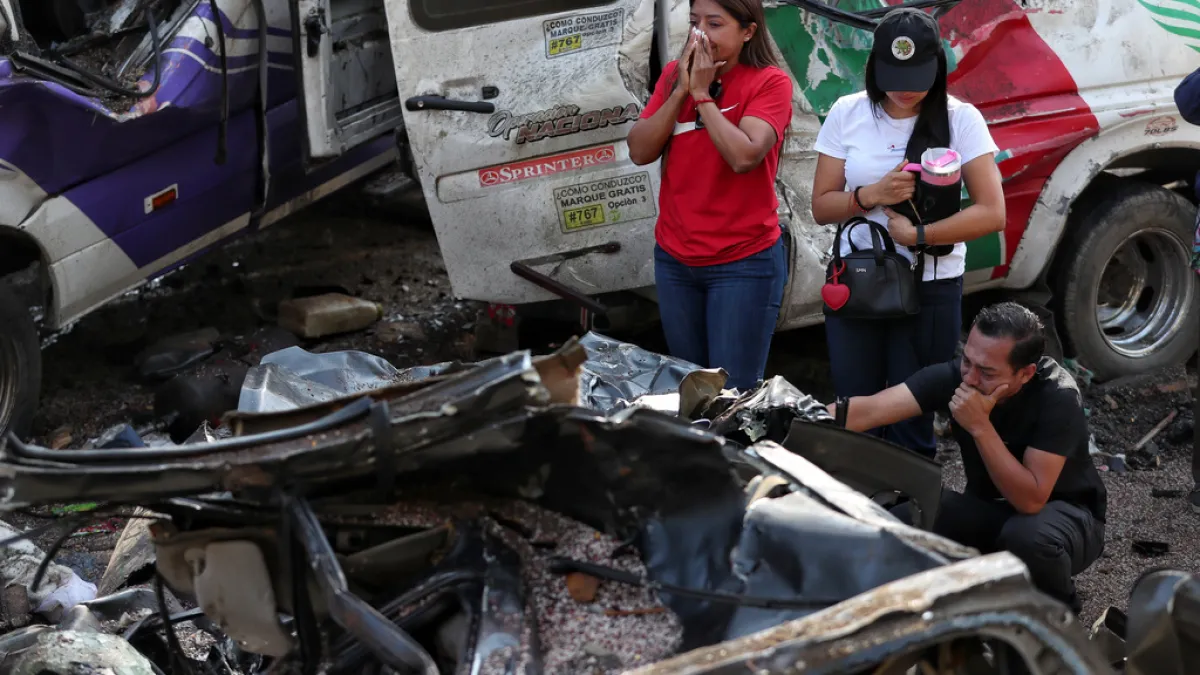
A devastating explosion near a tunnel on the Pan-American Highway in southwestern Colombia has claimed the lives of at least 20 people and injured 36 others. The attack, which occurred just over a month before the nation's presidential election, represents one of the deadliest incidents in the country since the 2003 FARC nightclub bombing in Bogota.
Governor Octavio Guzman of the Cauca region confirmed the death toll, stating it comprises 15 women and five men. Among the 36 injured are three individuals currently in intensive care and five minors who have since been declared out of danger. While the governor's office maintains the figure at 20, some media reports suggest the toll may have reached 21 by late Monday.
President Gustavo Petro has attributed the violence to a narco-terrorist group led by Nestor Vera, known as Ivan Mordisco. Mordisco is a wanted man and a former dissident from the Revolutionary Armed Forces of Colombia, a group that signed a landmark peace agreement with the government in 2016. The administration's assessment identifies the perpetrators as a specific faction operating within this broader context of armed dissidence.
The incident has occurred against a backdrop of heightened insecurity, following the recent assassination of conservative presidential hopeful Miguel Uribe Turbay. Security remains a central issue for the May 31 presidential election, as voters seek a successor to President Petro. The timing of the blast, combined with the previous political violence, underscores the volatile nature of the security landscape in the run-up to the vote.
Mourners gathered in Cajibio, where a dozen of the victims hailed from a nearby village, to hold a vigil on Monday. Dressed in white and waving white sheets or balloons as a sign of peace, they expressed a collective plea for an end to the violence. A relative of a deceased woman, Joao Valencia, told reporters that women should die of old age rather than having their lives taken in such a tragic manner.
Although the Cauca region governor has provided specific details regarding the demographics of the deceased and the status of the injured, the precise location of the tunnel on the Pan-American Highway was not detailed in the initial reports. The attribution of the attack to Ivan Mordisco's group relies on President Petro's statement, with independent confirmation of the perpetrators' identity pending further investigation.