De la Espriella and Cepeda set for Colombia presidential runoff
With 99 per cent of votes tallied, Abelardo de la Espriella leads Ivan Cepeda by 3 percentage points, setting a head-to-head contest for 21 June focused on security and governance.
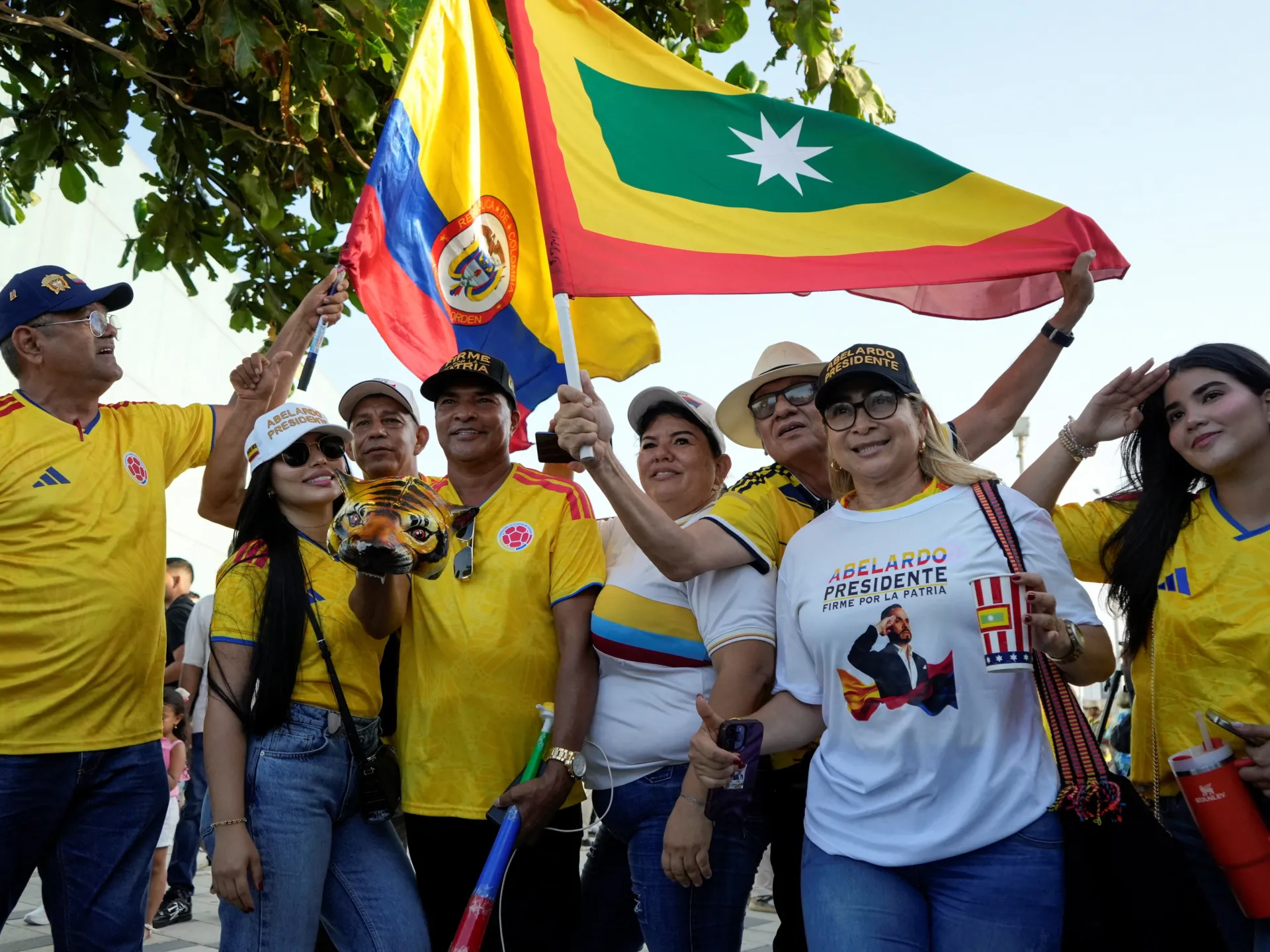
Abelardo de la Espriella and Ivan Cepeda have secured their places in the runoff for Colombia’s presidential election, scheduled for 21 June. With 99 per cent of votes tallied on Sunday, de la Espriella secured 43 per cent of the ballot, while Cepeda received 40 per cent. Neither candidate achieved the 50 per cent threshold required to win outright in the first round, necessitating a final head-to-head contest.
The results extinguish the hopes of former frontrunner and right-wing Senator Paloma Valencia. De la Espriella, a businessman with no prior elected office, trailed Cepeda in recent polling but surged in the final tally. A May 24 poll from the National Consulting Centre (CNC) had shown Cepeda leading with over 33 per cent support against de la Espriella’s 30.9 per cent, indicating a significant shift in voter behaviour in the final days.
Security concerns dominated the campaign, with de la Espriella leveraging fears of crime as a political newcomer. His campaign style has been compared to that of Argentinian President Javier Milei. Cepeda, who trailed de la Espriella by more than 600,000 votes, is a long-serving senator who has represented Bogota in the Chamber of Deputies and served in the Senate since 2014.
Cepeda’s political history is marked by a long-running legal dispute with former right-wing President Alvaro Uribe. Uribe initially sued Cepeda for defamation, but the Supreme Court dismissed the charge and investigated Uribe for witness tampering. Uribe was found guilty and sentenced to 12 years of house arrest, though an appeals court struck down the verdict citing procedural errors and insufficient evidence.
The outcome is expected to buoy de la Espriella’s campaign heading into the final round despite his outsider status. Cepeda’s father was a senator and a leader in Colombia’s Communist Party before being assassinated in 1994, an act widely considered political violence. The runoff will determine the next leader of the nation amidst these contrasting political legacies and policy priorities.