DC Guard Deployment Faces Scrutiny as Costs Mount and Legal Challenges Persist
While the administration cites crime reductions, independent analysis and federal judges question the mission’s efficacy, legality, and strategic focus.
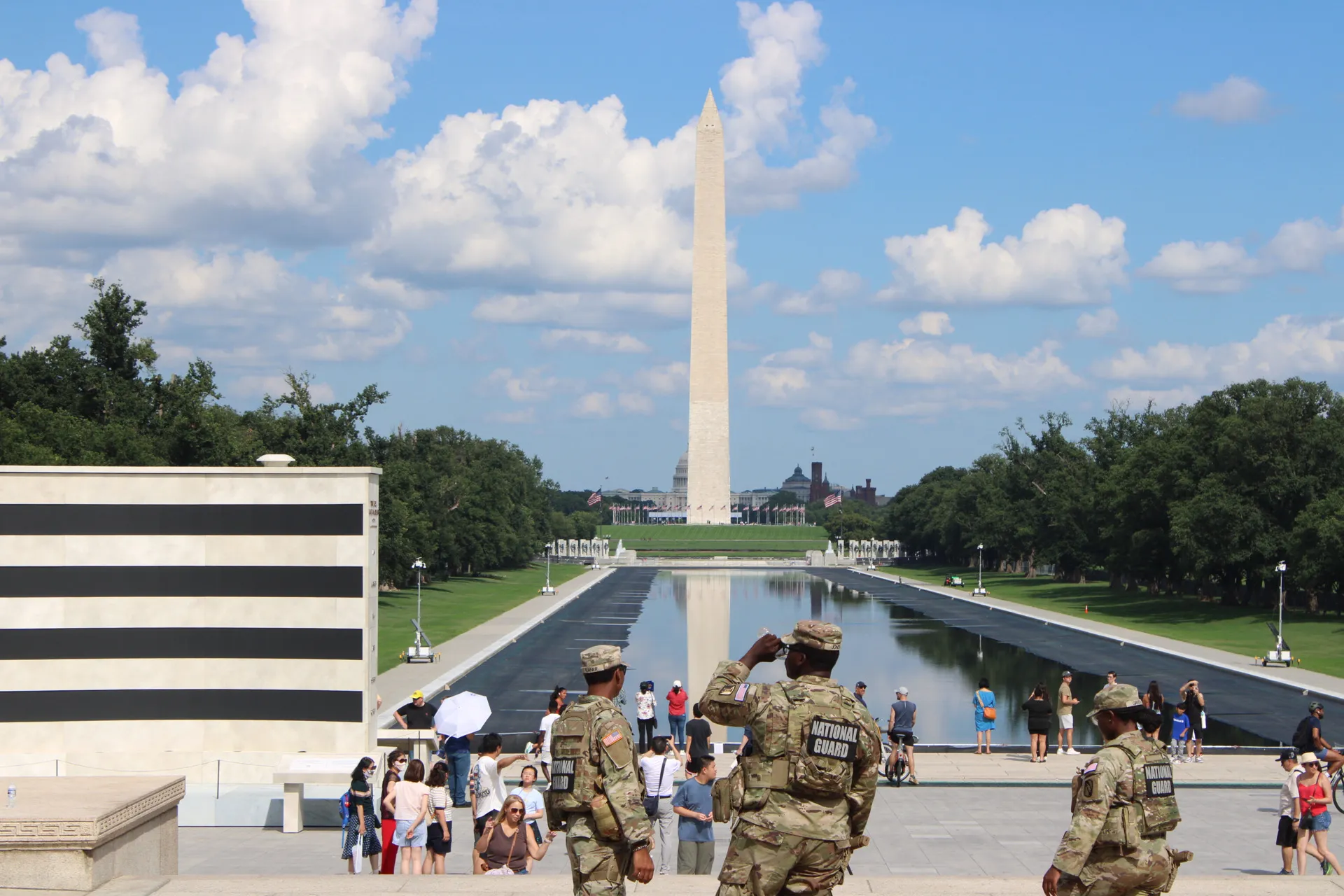
A year after President Donald Trump deployed the National Guard to Washington, DC, under the Safe and Beautiful Task Force, the mission remains a subject of intense debate. Thousands of troops arrived in August 2025 following a declared crime emergency, triggering immediate opposition from residents and legal officials. While the administration claims an 88 per cent drop in crime, independent analysis and ongoing litigation suggest the deployment’s impact is limited and its legality questionable.
The deployment has faced significant legal hurdles. DC Attorney General Brian Schwalb sued the Trump administration in September, alleging the move violated the Posse Comitatus Act by using military force for law enforcement purposes. Although US District Judge Jia Cobb ordered the deployment ended in November, a federal appeals court granted a stay, allowing the mission to continue as litigation proceeds. DC Mayor Muriel Bowser has also criticised the deployment, stating that the Guard should be reserved for emergencies and large-scale events, not for policing local laws.
Critics argue the troops are concentrated in tourist hubs rather than high-crime neighbourhoods. A May report from the Niskanen Center found no significant impact on violent crime, which had been declining prior to the deployment, though it noted reductions in property crimes. Richard Hahn, a co-author of the report, noted that National Guard members are not trained police officers and that patrol zones have largely avoided areas with the highest violent crime rates, such as those east of the Anacostia River.
Concerns have also been raised regarding the use of surveillance software and the politicisation of the armed forces. A Senate investigation authored by Senators Gary Peters and Andy Kim in February warned that the deployment risks harming local trust in law enforcement and reducing troop preparedness. The report identified threats to civilian privacy posed by tools including Meltwater, Cision, and the Palantir Technologies platform Maven Smart System. Additionally, the American Civil Liberties Union has filed a claim on behalf of retired Army captain Anna King, alleging violent detention by Idaho National Guard members.
Financial costs and future plans for the mission have further complicated the situation. The Senate Committee on Homeland Security estimated the annual cost at $602 million, with an additional $1.4 billion projected from October 2026 to January 2029. The Pentagon has announced plans to keep the Guard in DC through the end of Trump’s term, coinciding with a “summer surge” of 1,500 additional troops for the 250th anniversary celebrations. Despite the high profile of the operation, morale among some service members remains low, with questions persisting about the mission’s long-term strategic value.