Dangote pivots to Mombasa for $17bn East African refinery as Lagos model proves viable
The proposed project, valued between $15bn and $17bn, seeks to replicate the operational success of Dangote's Lagos refinery while addressing East Africa's total lack of functional refining capacity.
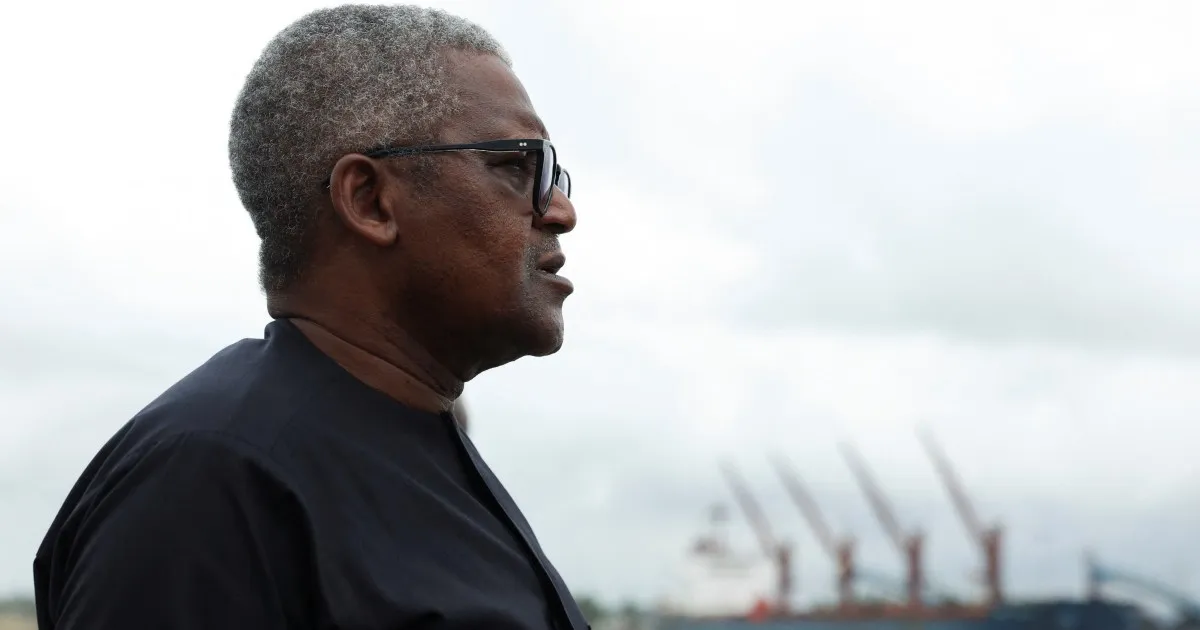
Billionaire Aliko Dangote has confirmed his intention to construct a new oil refinery in Mombasa, Kenya, capitalising on the operational success of his facility in Lagos, Nigeria. The announcement marks a strategic shift from earlier discussions led by Kenya's President William Ruto, who had proposed a joint refinery at Tanzania's Tanga port in April. Dangote explicitly stated a preference for Mombasa, citing the port's larger, deeper infrastructure and Kenya's comparatively bigger economy as decisive factors.
The estimated cost of the Mombasa project stands between $15bn and $17bn. It is designed to model the specifications of Dangote's recent mega-project in Lagos, which reached full production capacity in February 2026. This timing coincided with the escalation of global supply disruptions caused by the war between the US and Israel and Iran's closure of the Strait of Hormuz. The new facility aims to reduce East Africa's heavy reliance on Middle East imports, a vulnerability exposed by the conflict which has hampered shipping routes used by major suppliers including the UAE, Saudi Arabia, India, and Oman.
East Africa currently faces a critical deficit in refining capability, possessing approximately 4.7 billion barrels of crude reserves yet refining only a fraction of its own consumption. The region's sole existing refinery in Mombasa ceased operations in 2013 due to slow government policies and exiting investors. Consequently, the region imports refined petroleum products, making it highly susceptible to external shocks. Dangote's proposed intervention seeks to alter this dynamic, offering a potential solution to the scarcity of jet fuel and diesel that has already forced neighbours like Cameroon, Togo, and Ghana to turn to Nigerian supplies.
Analysts suggest that while Dangote has demonstrated the ability to build at scale, the East African venture presents a distinct challenge. The project must navigate the political and logistical landscape of a fragmented, multi-country market that differs significantly from West Africa. Stears, a Lagos-based intelligence firm, noted that the success of the operation will depend on whether Dangote can effectively manage these complex regional dynamics. The project represents a test of whether private sector initiatives can succeed where state-owned refineries in the region have historically failed to operate at capacity.
The broader context of African energy security remains central to this development. Despite having significant crude reserves in Uganda, South Sudan, Kenya, and the Democratic Republic of the Congo, the continent currently refines about 44 percent of its total oil consumption. While other initiatives are underway, such as Angola's Cabinda refinery and a government-funded project in Uganda's Hoima region expected to start in 2029, Dangote's proposed Mombasa facility is the most immediate prospect for regional self-sufficiency.
Ultimately, the project underscores a growing continental conviction that Africa can provide for itself, moving beyond wishful thinking to tangible industrial action. If completed, the refinery could lower petrol pump prices and transport costs while increasing access to essential by-products like fertilisers and petrochemicals. However, the real test lies in whether African governments will create the enabling business environments necessary to support such private sector investments, a question that remains unanswered as the ball sits in President Ruto's court.