Cyprus weighs restrictions on non-EU land purchases as Israeli presence grows
With thousands of Israeli families settling on the island and major capital flowing into coastal real estate, Cypriot lawmakers are debating new rules to curb foreign ownership and address rising housing costs.
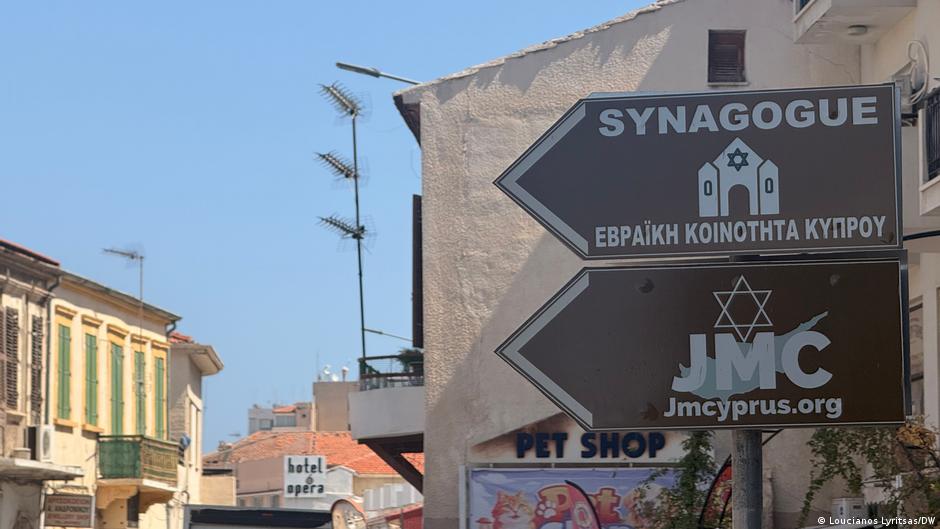
The Republic of Cyprus is facing a significant shift in its demographic and economic landscape as a growing number of Israelis relocate to the island. Since the attacks in Israel in October 2023, the nearby Mediterranean nation has evolved from a holiday destination into a permanent settlement hub. Estimates cited by Israeli media suggest that at least 3,000 Israeli families now reside in Cyprus permanently, with the figure increasing by several hundred annually.
This influx has been accompanied by substantial capital investment. Data from the Cyprus Land Registry indicates that 3,851 property transfers and sale contracts involving Israeli buyers were recorded in the coastal districts of Larnaca, Paphos, and Limassol between 2021 and 2024. Beyond residential purchases, major tourism and infrastructure projects have advanced, including the Fattal hotel group’s multi-hundred-million-euro investments and the €110 million redevelopment of the Palm Beach hotel in Larnaca.
The scale of this migration has intensified a political debate regarding foreign ownership and economic dependency. Critics, including Stefanos Stefanou of the left-wing AKEL party and MEP Fidias Panayiotou, have warned that the Cypriot economy risks becoming overly reliant on Israeli capital. Panayiotou described the trend as "Israel buying Cyprus," while Stefanou raised concerns about uncontrolled land sales and the creation of gated residential communities with separate infrastructure.
The government, led by President Nikos Christodoulides, has generally favoured the influx, viewing it as essential to establishing Cyprus as an attractive international destination. Former Energy and Commerce Minister George Papanastasiou noted in 2025 that the government was pleased with the presence of Israeli businesspeople across sectors including tourism, technology, and energy. However, the debate has now moved to parliament, where lawmakers are weighing legislative proposals to restrict land purchases by non-EU nationals.
Proposals from both the opposition AKEL and the centre-right Democratic Rally (DISY) aim to address what DISY MP Nikos Georgiou described as "unprecedented proportions" of foreign land purchases. Georgiou argued that these acquisitions affect demographic composition and land values, though he insisted the measures are not directed at any specific country. AKEL MP Giorgos Koukoumas highlighted that mass property purchases are driving prices to levels where the average Cypriot can no longer afford to buy or rent in urban centres.
The response from the Israeli side has been firm. Israel’s ambassador to Cyprus, Oren Anolik, rejected claims of excessive influence, arguing that Israelis have become part of the island's social and economic fabric. He warned that singling out a particular nationality could fuel antisemitism, a concern underscored by the increasing visibility of Israeli infrastructure, including kosher restaurants, places of worship, and a planned private Jewish school in Polemidia for up to 1,500 students.