Cuba Faces ‘Genocidal’ Energy Blockade as Fuel Reserves Deplete and Protests Erupt
Widespread blackouts in eastern Cuba and capital district spark rare public demonstrations, while Washington offers aid through the Catholic Church amid tightening restrictions.
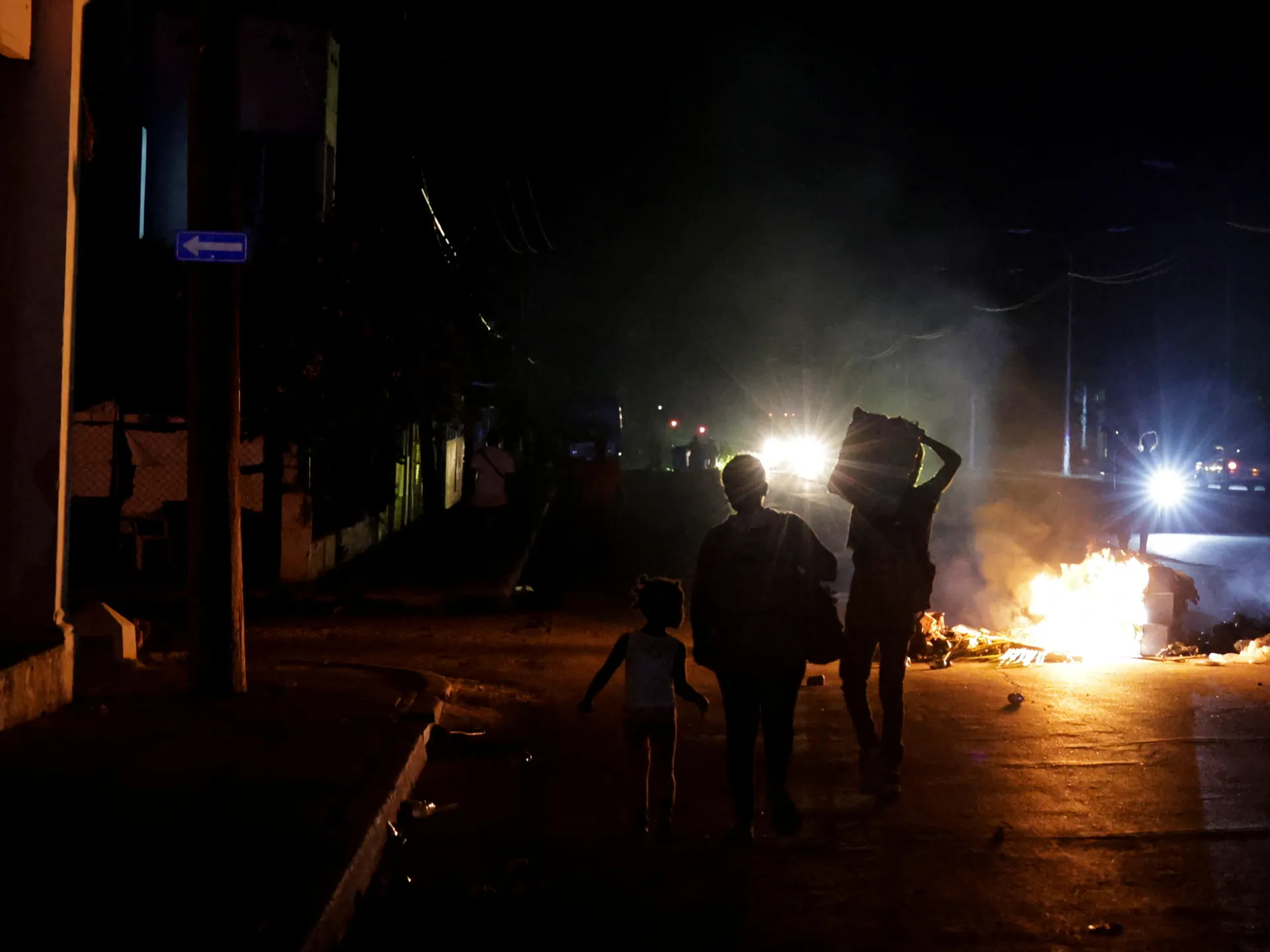
Large parts of eastern Cuba were plunged into darkness on Thursday as the island endured another round of nationwide electricity shutdowns, coinciding with rare public protests in neighbourhoods surrounding the capital, Havana. The energy crisis has intensified following the United States’ decision in January to tighten restrictions on fuel shipments, a move Havana officials describe as an oil blockade that has left the island reliant on limited domestic production and solar energy.
Energy Minister Vicente de la O Levy confirmed the severity of the shortage during a late Wednesday news conference, stating that Cuba has “absolutely no fuel, oil, and absolutely no diesel.” He noted that the state is currently relying solely on gas from domestic wells and crude oil, both of which he claimed are seeing increased production. Levy described the situation as “very tense,” attributing the significant harm to the impact of the blockade and the difficulty in securing fuel imports.
President Miguel Diaz-Canel placed the blame squarely on external pressures, describing the crisis as the result of a “genocidal energy blockade” imposed by the United States. Diaz-Canel reported that approximately 1,100 megawatts of power generation had already been lost on Wednesday, with the National Electric System expected to face a deficit of more than 2,000 megawatts during peak evening demand. He cited US sanctions and threats of tariffs against countries supplying fuel to Cuba as primary drivers of the shortfall.
The deteriorating conditions have triggered visible unrest in the capital. Residents in the San Miguel del Padron and Playa districts expressed their frustration through demonstrations that included banging pots and pans and shouting demands for electricity. These events mark a notable shift in public behaviour, as Cuba has endured repeated nationwide blackouts since 2024, with some residents in Havana facing outages lasting more than 19 hours a day.
The island’s electrical infrastructure remains fragile, dependent on eight ageing thermoelectric plants, some over 40 years old, which frequently break down or require maintenance. Since the US tightened restrictions in January, reports indicate that only one Russian tanker has reached the island. This logistical bottleneck has exacerbated existing economic stagnation and chronic shortages of food, medicine, and basic goods across the population of approximately 10 million.
In response to the deepening humanitarian and energy crisis, US Secretary of State Marco Rubio renewed an offer of $100 million in aid, stipulating that the assistance be distributed through the Catholic Church rather than the Cuban government. Cuba’s Foreign Minister Bruno Rodriguez signalled cautious openness to the proposal on social media, stating that Havana was ready to hear details on how the aid would be implemented, despite escalating tensions with Washington.
Meanwhile, US President Donald Trump has intensified pressure on Havana, suggesting that Cuba could become the next target of US efforts to force political change on the island. The combination of internal infrastructure failures and external geopolitical pressure continues to strain the Cuban state’s capacity to maintain essential services.