CSIS report warns of multi-year US munitions deficit following Iran conflict
Restoration of pre-war stockpiles depleted during joint operations with Israel will take at least two years, with some categories requiring more than three, creating a window of vulnerability for US defence planning.
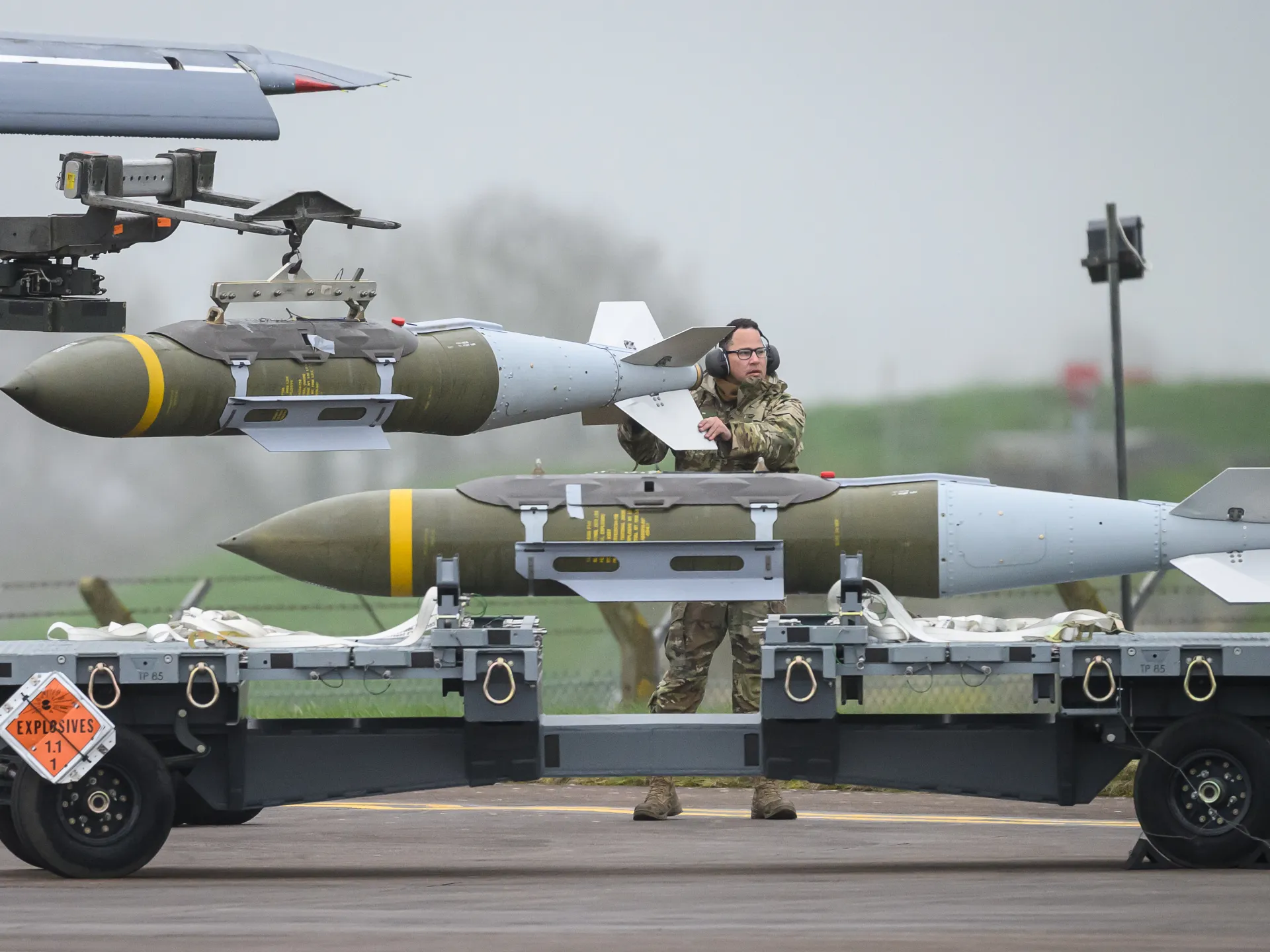
The United States will require a minimum of two years to replenish critical munitions stockpiles depleted during the recent conflict with Iran, according to a report released on Wednesday by the Washington-based Center for Strategic and International Studies (CSIS). The think tank identified a significant gap in inventory levels for four key categories of weapons, warning that limited domestic manufacturing capacity and long procurement lead times, rather than funding, are the primary constraints on rebuilding efforts.
The depletion occurred during nearly 40 days of joint military operations between US and Israeli forces against Iran. CSIS data indicates that Land Attack Missiles (TLAM), Terminal High Altitude Area Defences (THAAD) interceptors, Patriot missiles, and SM-3 and SM-6 ship-based surface-to-air missiles have all been reduced to less than half their pre-war levels. While the US currently retains sufficient munitions to sustain further operations in the region, the report highlights a prolonged period of reduced readiness for future conflicts.
Replenishment timelines vary significantly across different weapon systems. The report estimates that replacing the Precision Strike Missile (PrSM) and Joint Air-to-Surface Standoff Missile (JASSM) will take several months to a year. The PrSM inventory was already low prior to the conflict due to its early production stage, whereas the JASSM, despite heavy usage, is expected to see large deliveries from recent procurements. However, the four most depleted categories will take more than three years to restore, creating what CSIS describes as a "window of vulnerability" for several years.
The shortage has already triggered diplomatic friction with allies as demand outpaces supply. The US Navy recently paused $14 billion in approved weapons sales to Taiwan, citing the urgent need to prioritise munitions for the Iran war. These sales had been approved by Congress but required presidential sign-off. CSIS warned that decisions on how to allocate new production have already strained bilateral relationships and that this friction will likely persist as the US attempts to balance its own replenishment needs with obligations to partners.
Experts describe the situation as a "strategic inventory shock" rather than simple tactical exhaustion. Omar Ashour, a professor of security and military studies at the Doha Institute for Graduate Studies, noted that while the arsenal was not emptied, the depletion of strategically valuable layers of weaponry will affect other theatres of war. This assessment follows earlier reporting by The Washington Post, which revealed that the US used more advanced missile-defence interceptors to defend Israel than Israel itself used during the 40-day conflict.
CSIS concluded that while past procurement levels were relatively low, recent increases in defence spending may help accelerate replacement efforts. However, the report emphasised that it will take several additional years beyond the initial two-year restoration period for inventories to reach the levels desired by war planners. The US Navy’s decision to halt sales to Taiwan underscores the immediate operational pressures facing the US defence industrial base as it navigates the aftermath of the conflict.