Cruise Ship Suspected of Hantavirus Outbreak Enters Tenerife Port Under Infection Control Protocols
Local authorities have initiated preparations for infection control measures following the arrival of a cruise ship flagged with suspected Hantavirus transmission risks.
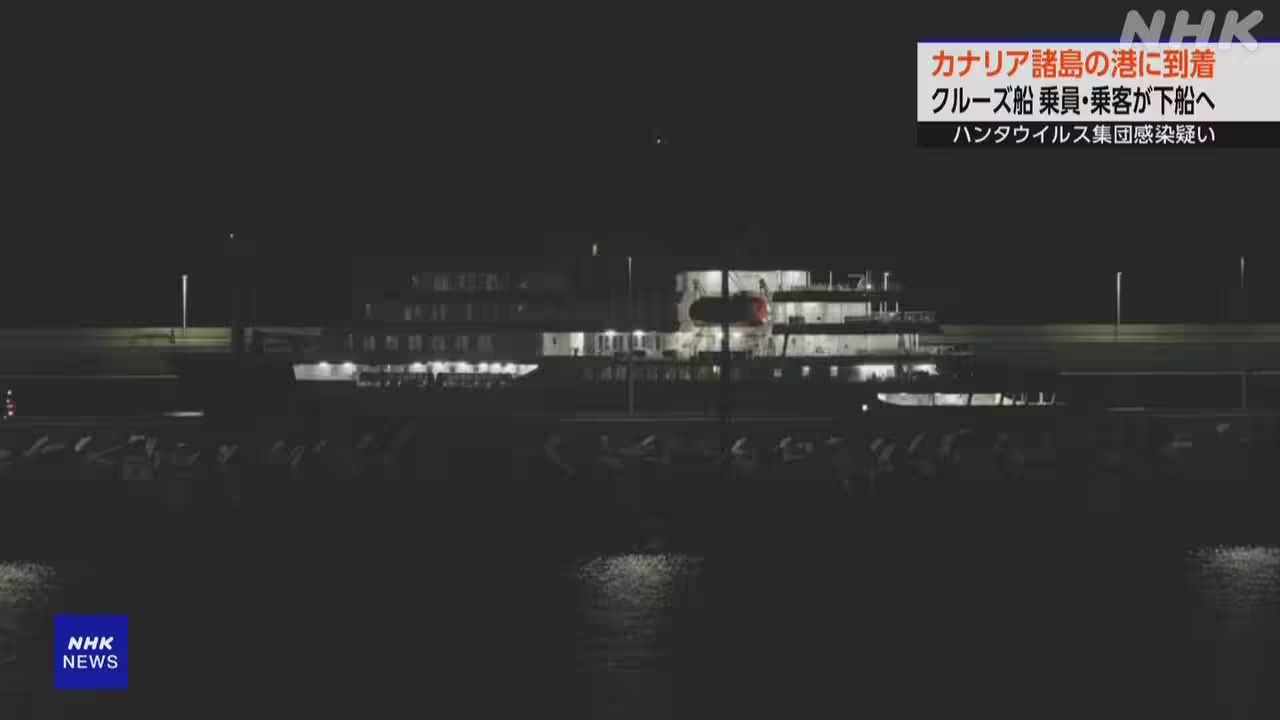
A cruise ship suspected of carrying a Hantavirus outbreak has arrived at the port of Tenerife, located in the Canary Islands, on 10 May 2026. The vessel docked at approximately 02:30 local time, corresponding to 14:30 Japan Standard Time, prompting an immediate administrative response from regional officials.
While the specific medical status of the crew remains unconfirmed in current reports, the situation is being treated with significant procedural caution. Local authorities have commenced preparations for infection control measures to manage the vessel's arrival and mitigate potential public health risks associated with the suspected transmission.
The World Health Organization has previously addressed similar concerns regarding Hantavirus, emphasising that the risk remains low and warning against the spread of unfounded anxiety online. This institutional guidance underpins the current approach, ensuring that the response remains grounded in established medical protocols rather than speculative reporting.
Hantavirus is a viral infection transmitted to humans primarily through contact with rodent excreta, including urine, droppings, and saliva. The nature of the transmission vector informs the strict biosecurity measures being implemented at the port to prevent any potential spread within the archipelago.
Despite the urgency of the situation, the extent of the suspected outbreak, including the number of affected individuals or the severity of symptoms, has not yet been detailed by health officials. The specific actions regarding the crew, such as quarantine procedures or medical screening, are also pending further official verification.
As the infection control preparations continue, the focus remains on maintaining governance stability and adhering to international health standards. The situation is currently classified as suspected, and all operational decisions are subject to the ongoing assessment by relevant health authorities.