Cruise ship hantavirus outbreak prompts repatriation as WHO assesses public health risk
Experts from the University of Manchester, the United Nations Institute for Training and Research, and the Pirbright Institute are being consulted to apply pandemic-era lessons to the containment strategy.
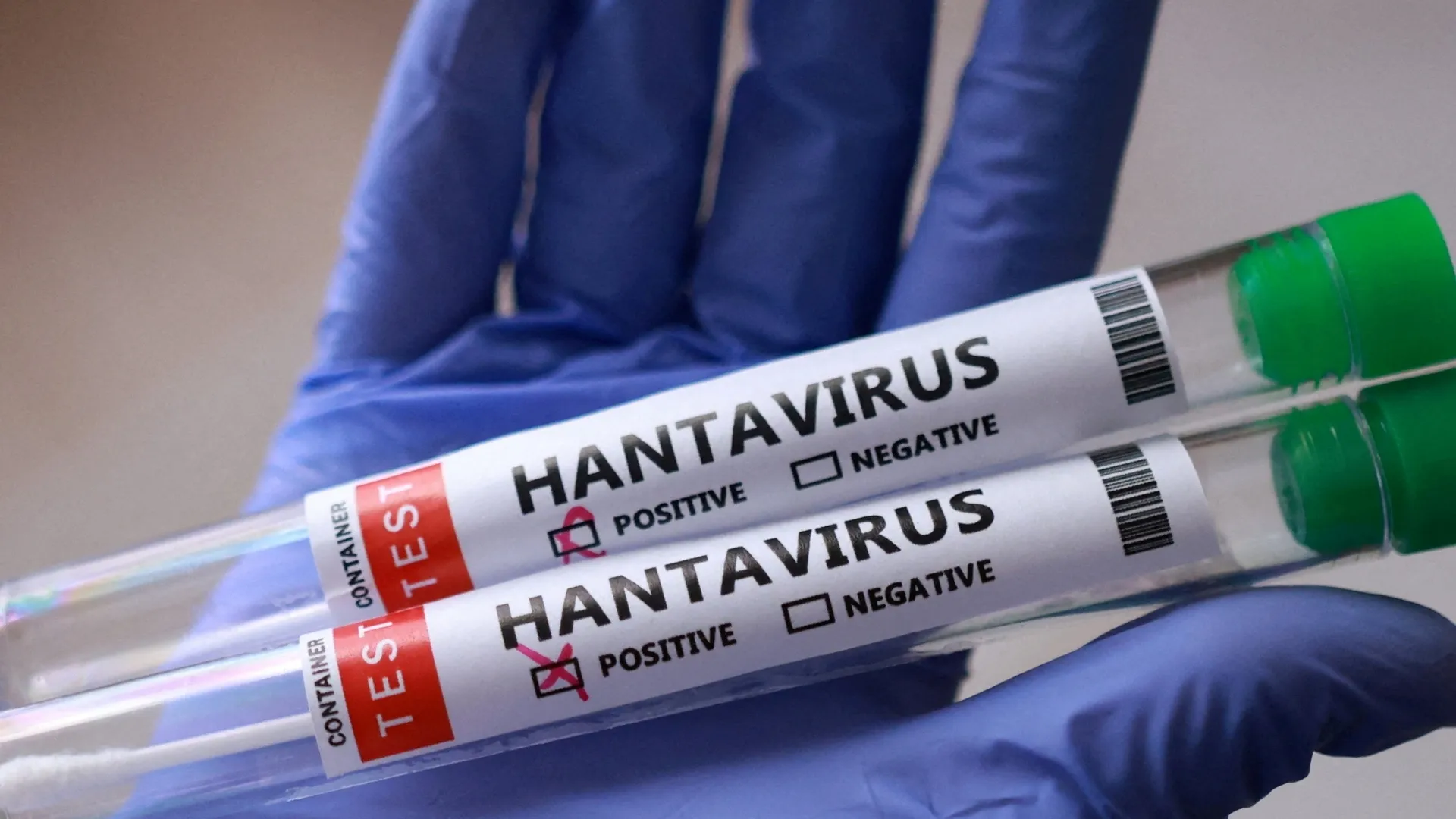
Three people have died on a cruise ship following an outbreak of hantavirus, an incident that has forced authorities to initiate arrangements for the repatriation of passengers. The event has immediately drawn comparisons to the global response required during the COVID-19 pandemic, given the confined nature of the vessel and the fatality count. However, the World Health Organisation has assessed the situation, stating that the hantavirus poses a low risk to public health.
Despite the WHO's assessment of low risk, the scale of the incident and the number of deaths have necessitated a serious institutional response. Officials are now looking to apply lessons learned from the previous pandemic to manage the crisis effectively. This approach involves seeking guidance from a panel of leading experts to ensure the containment measures are robust enough to prevent further spread within the maritime environment.
Consultations are currently underway with Dr Mukesh Kapila, Professor Emeritus of Global Health and Humanitarian Affairs at the University of Manchester. He is joined by Dr Margaret Harris, a lecturer at the United Nations Institute for Training and Research and former WHO spokeswoman. Their involvement highlights the gravity with which the situation is being treated, even as the official risk classification remains low.
Adding to the scientific oversight, Nicholas Locker, Professor of Virology at the Pirbright Institute near Guildford, UK, has also been brought into the advisory process. The inclusion of these specific institutions suggests a coordinated effort to leverage existing knowledge on viral transmission and humanitarian logistics. This multi-institutional approach aims to bridge the gap between the clinical reality of the outbreak and the broader public health implications.
While the specific location and nationality of the passengers remain unconfirmed in current reports, the transmission mechanism within the ship is also under investigation. The comparison to the COVID-19 pandemic serves as a cautionary backdrop, reminding policymakers of the rapid escalation possible in crowded settings. Nevertheless, the WHO's stance indicates that the transmissibility and scale of this outbreak differ significantly from SARS-CoV-2.
As arrangements continue to move passengers off the vessel, the focus remains on containing the immediate threat without triggering a wider public health emergency. The collaboration between the University of Manchester, the UN Institute for Training and Research, and the Pirbright Institute will be critical in determining the next steps for the affected crew and guests.