Cruise ship hantavirus outbreak assessed as low risk by Lancaster University specialist
Expert analysis suggests the virus is not known for human-to-human transmission, though the specific strain remains unidentified
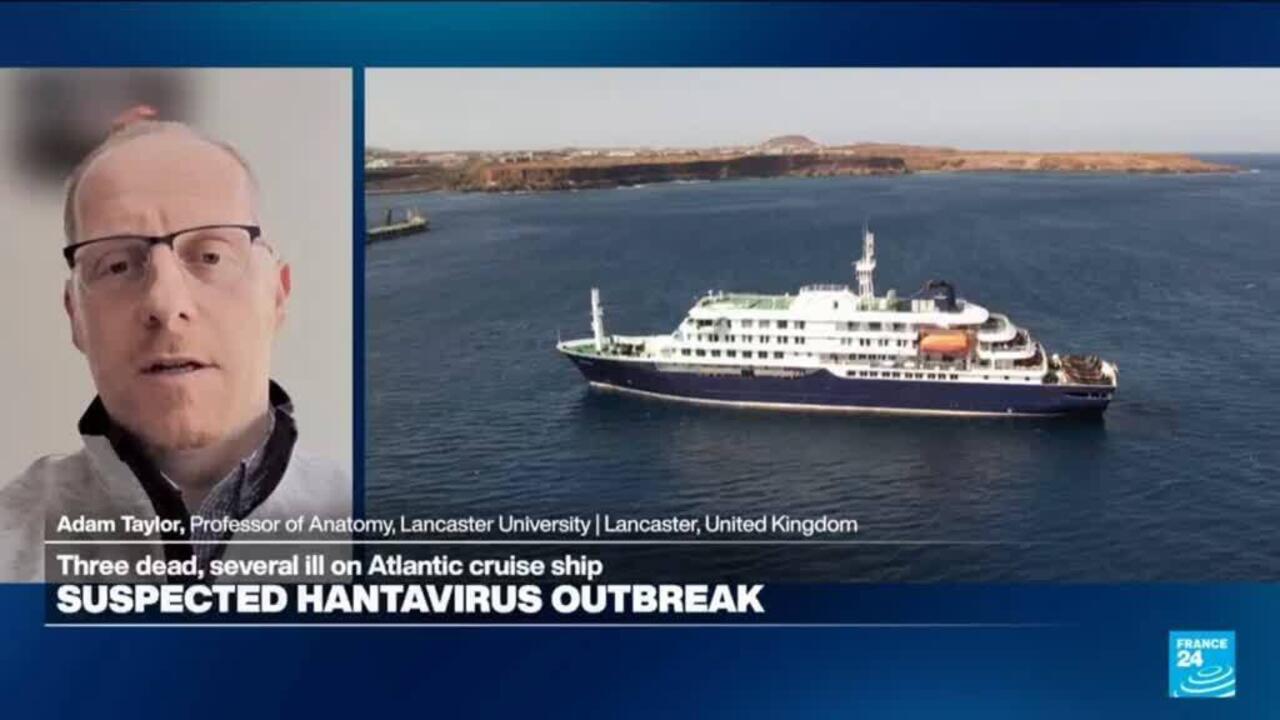
An outbreak of hantavirus has been identified aboard a cruise ship operating in the waters near Cape Verde, prompting immediate consultation with global health specialists to assess the transmission dynamics. The situation has drawn attention from international observers concerned about the potential for rapid spread, yet scientific experts are urging a measured response based on current evidence.
Professor Adam Taylor, a specialist in anatomy and hantavirus at Lancaster University, has been engaged to provide an authoritative assessment of the incident. In his evaluation, Professor Taylor emphasises that the specific virus involved is not known for human-to-human transmission, distinguishing this outbreak from respiratory pathogens that typically rely on direct contact between people to propagate.
According to the expert analysis provided by Professor Taylor, the risk of transmission within the context of this cruise ship outbreak is incredibly low. This conclusion relies on the established scientific understanding that hantaviruses are generally contracted through contact with infected rodent urine, droppings, or saliva, rather than through person-to-person interaction.
Despite the reassurance regarding transmission modes, the precise mechanism by which the virus entered the cruise ship environment remains under investigation. While the general profile of the virus suggests a rodent-borne origin, the specific strain causing the outbreak has not been explicitly named in the available reports, leaving some technical details of the entry point unconfirmed.
Professor Taylor noted that global health fears often spread faster than the viruses themselves, highlighting the necessity for clarity and evidence-based communication to prevent unnecessary panic. His comments serve to balance scientific rigor with public concern, resisting the urge to alarm passengers and crew without definitive proof of a wider contagion risk.
Investigations into the source of the outbreak are currently ongoing, with authorities working to determine the total number of cases and the duration of the incident. Until further genomic analysis is completed, the assessment that the risk is incredibly low is framed as the current scientific consensus rather than an absolute guarantee against rare exceptions.