Crude oil slips as Middle East supply fears ease
WTI crude futures fell 3.21 per cent on Wednesday after US Energy Secretary Chris Wright confirmed significant oil transit through the Strait of Hormuz, while Saudi Arabia moves to restore key pipeline capacity.
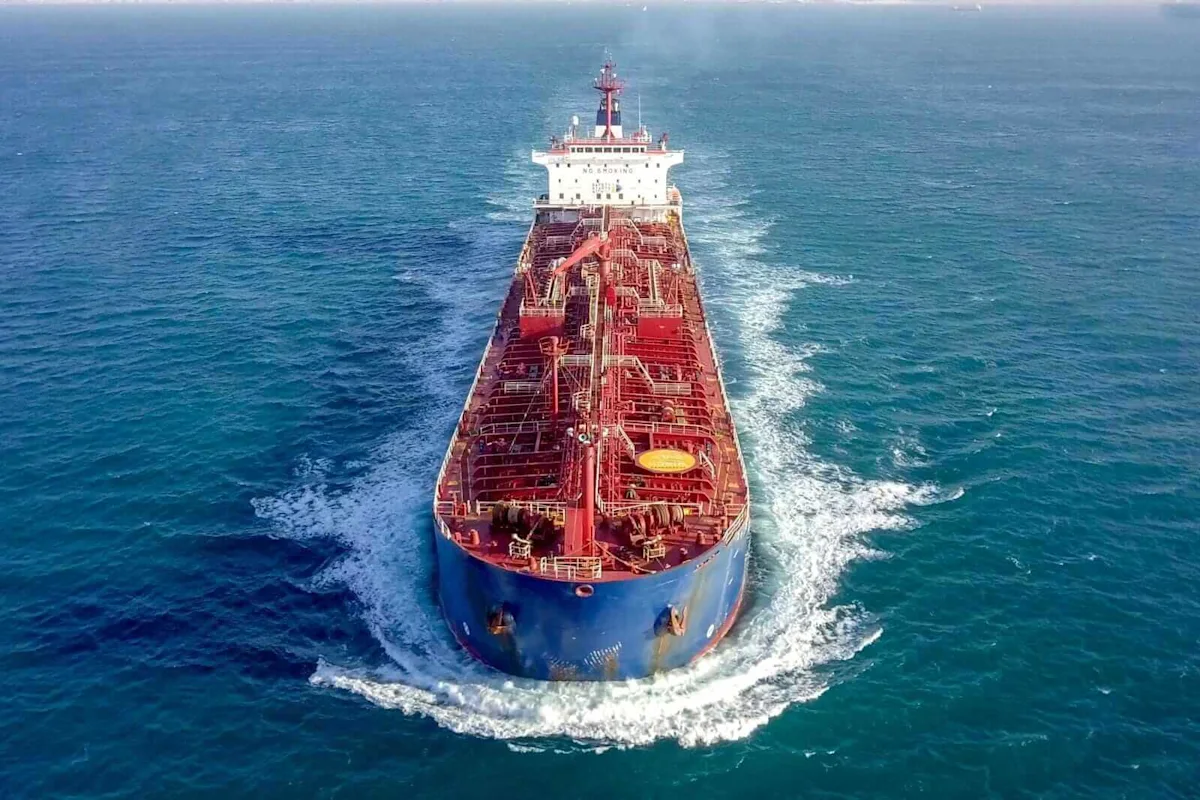
October WTI crude oil futures closed down 3.21 per cent on Wednesday, marking a sharp retreat from recent highs as signs emerged that global supply constraints are easing. In contrast, October RBOB gasoline futures rose 0.57 per cent to a three-week high, reflecting a mixed settlement for energy benchmarks. The divergence in prices was driven primarily by a reduction in supply risk premiums following developments in the Middle East.
The decline in crude prices accelerated after US Energy Secretary Chris Wright stated that 18 million barrels of crude oil and refined products transited the Strait of Hormuz on Tuesday. This movement helped allay fears that the waterway’s closure would severely restrict global flows. Additionally, Saudi Arabia announced it aims to restore approximately half the capacity of its East-West pipeline within days, following a shutdown triggered by drone strikes last week.
The East-West pipeline, a 750-mile route carrying up to 7 million barrels per day, was closed late last Friday as a precaution after Houthi rebels attacked pumping stations. The closure forced Saudi Arabia to pivot its exports toward the Red Sea, a route now complicated by escalating Houthi activity. Despite the restoration plans, supply risks remain a factor underpinning prices, with energy exports from the region still limited.
Data from the US Energy Information Administration (EIA) further pressured crude prices on Wednesday. Weekly figures showed US crude inventories fell by 640,000 barrels, a smaller draw than the 1.5 million barrels expected by analysts. Conversely, gasoline supplies unexpectedly rose by 794,000 barrels, and distillate stockpiles increased by 1.59 million barrels, both exceeding market forecasts.
The rally in the US dollar index to a 1.5-month high also contributed to lower energy prices, as a stronger currency typically weighs on commodity valuations. Meanwhile, data compiled by Bloomberg, Kpler, and Vortexa indicated that crude oil stored on stationary tankers fell 23 per cent week-on-week to 76.39 million barrels, the lowest level in a year.
While supply disruptions have eased in the short term, broader structural issues persist. The International Energy Agency recently warned that high oil prices and restricted supply will cause the biggest drop in global oil demand this year since the pandemic. Furthermore, OPEC’s August crude production fell by 900,000 barrels per day to 19.91 million barrels per day, highlighting the ongoing challenges in meeting planned output targets.