Cross-border strikes kill three as Ukraine intensifies logistics campaign
Officials confirm deaths in Russia’s Bryansk region and Ukraine’s Sumy following a series of reciprocal strikes, marking an escalation in Kyiv’s strategy to disrupt Russian oil and transport networks.
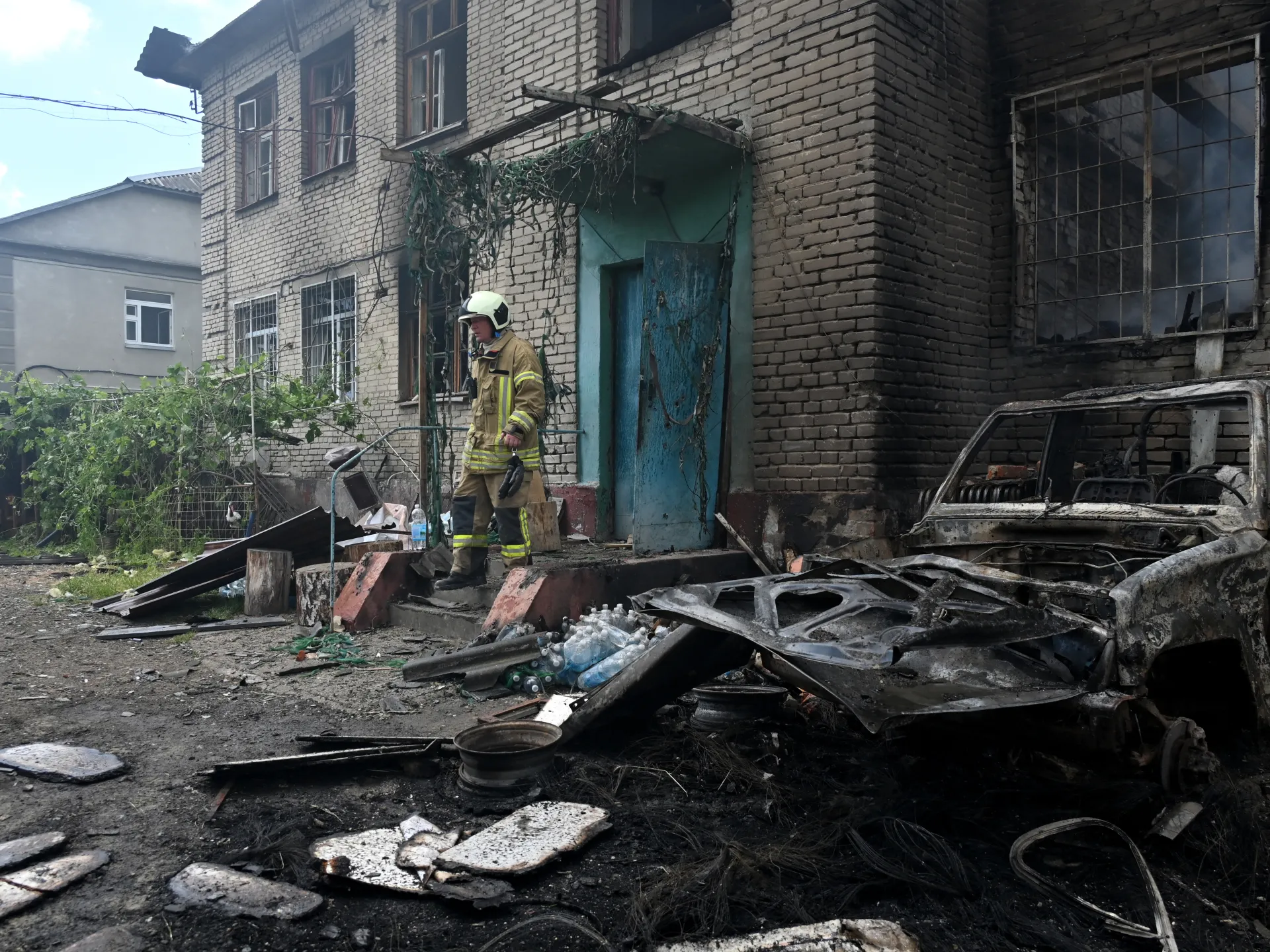
Three people have been killed and several others wounded in a series of cross-border attacks between Ukraine and Russia, according to officials on Friday. The incidents include Ukrainian artillery striking the Russian settlement of Suzemka in the Bryansk region, where Acting Governor Egor Kovalchuk confirmed via Telegram that two civilians were killed and two others injured.
In Ukraine’s Sumy region, a drone strike targeted a rail station, killing a 44-year-old female operator who was on her way to a shelter. Oleksandr Pertsovkyi, head of Ukrainian Railways, also confirmed that another woman, a station attendant, was wounded in the attack. These casualties underscore the ongoing volatility along the border as both sides continue to exchange fire.
Further east, Russia’s Tatarstan region reported a drone strike on an apartment building that injured three people. Regional head Rustam Minnikhanov noted on Telegram that while industrial facilities were also hit, production was not suspended. In the Samara region, Governor Vyacheslav Fedorishchev confirmed a drone attack regime in Togliatti, a city on the Volga River home to the Avtovaz carmaker.
Al Jazeera’s Audrey MacAlpine, reporting from Kyiv, contextualised these strikes as part of Ukraine’s “logistics lockdown” strategy. This involves mid-range strikes using long-range drones and heavy weaponry to target oil refineries, bridges, and roads over 30 kilometres from the front line, aiming to halt Russian front-line operations. MacAlpine also highlighted Ukraine’s “long-range sanctions,” a term used to describe escalating attacks on Russia’s oil industry.
The campaign has extended to supply lines for Russian-held Crimea, which Russia seized in 2014. Witnesses in Sevastopol and Yevpatoriya reported fuel shortages and rationing following Ukrainian attacks on the peninsula’s logistics. While Moscow has denied systemic supply issues, attributing disruptions to panic buying, the intensification of drone strikes continues to strain infrastructure across contested regions.