Cross-border hostilities fracture Pakistan-Afghanistan truce as mediation efforts stall
Peace talks mediated by China and regional powers face renewed uncertainty following exchanges of fire near Spin Boldak and in Kunar province
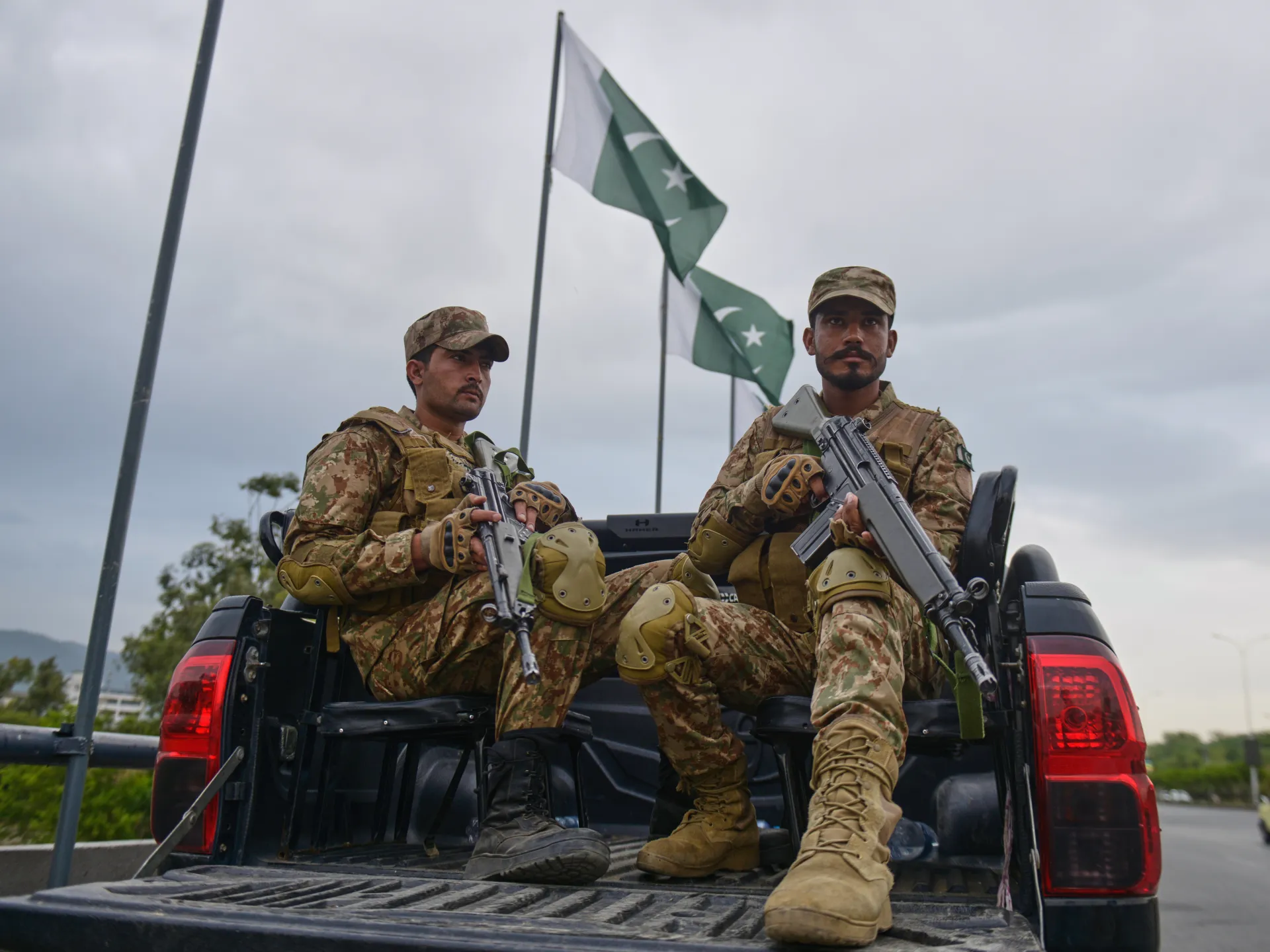
Pakistan and Afghanistan have mutually accused one another of launching new cross-border attacks, marking the first major breach of a fragile ceasefire agreed in March. The resumption of hostilities threatens the ongoing peace talks mediated by China, with Turkey, Qatar, the UAE, and Saudi Arabia also involved in halting the conflict.
Taliban authorities reported four deaths in the eastern Kunar province, claiming mortar and rocket fire wounded 45 people, including students, women, and children at Sayed Jamaluddin Afghani University. Pakistani officials reported at least three civilians injured by gunfire in South Waziristan, describing the incident as the most serious clash since the truce.
The violence reportedly stems from a shooting incident near the border city of Spin Boldak involving a child, which triggered an engagement between Taliban forces and Pakistani troops. Pakistan's Information Ministry has dismissed the Taliban's claim of an attack on the university as a "blatant lie," insisting no such attack occurred.
Relations between the neighbours have been fraught since the Taliban returned to power in Afghanistan in 2021, with a primary sticking point in negotiations being Pakistan's demand that Afghanistan curb the Tehreek-e-Taliban Pakistan (TTP) armed group. Kabul rejects this charge, countering that Pakistan harbours hostile groups and fails to respect Afghanistan's sovereignty.
The border has remained largely closed since October due to previous deadly cross-border violence, which had frozen bilateral trade. The Durand Line, separating the two nations, spans 2,640km and has seen heavy fighting in the past, including air strikes on Kabul following an escalation in February.
With the ceasefire established during the Muslim holiday of Eid al-Fitr showing signs of rapid deterioration, the focus now shifts to whether the international mediators can prevent a return to open war.