Cross-border fire and diplomatic stalemate threaten Afghan-Pakistan truce
Mutual distrust over the Tehrik-i-Taliban Pakistan (TTP) and lack of written guarantees continue to block a resolution to the border conflict.
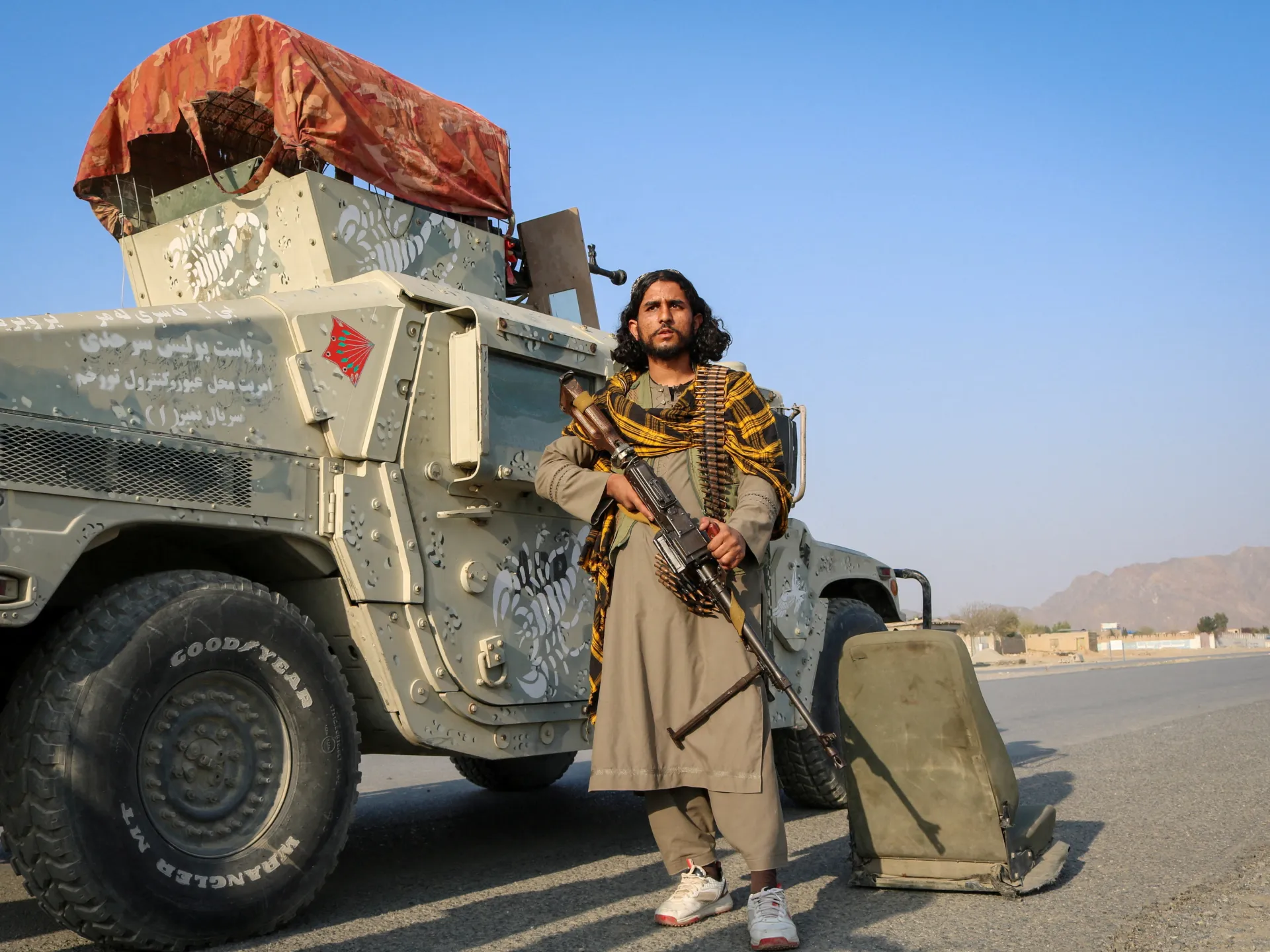
Afghanistan's Taliban authorities have accused Pakistan of launching mortar and missile strikes against Sayed Jamaluddin Afghani University and residential areas in Asadabad, Kunar province. The Taliban claim the attacks killed at least seven people and wounded more than 80, including approximately 30 students and professors. Taliban deputy spokesperson Hamdullah Fitrat condemned the incident as an unforgivable war crime against civilians and academic institutions.
Pakistan's Ministry of Information and Broadcasting has categorically rejected the Taliban's account, labelling the claim that Pakistani forces struck the university as a blatant lie. In a statement posted on X, the ministry insisted that no strike had been carried out on the university and maintained that its targeting operations remain precise and intelligence based. However, the ministry did not explicitly rule out the possibility of an attack occurring within Afghan territory.
Despite the conflicting narratives, Afghan and Pakistani officials have confirmed to Al Jazeera that they are currently exchanging fire along their porous border, even though a formal ceasefire is in place. This ongoing violence raises fears that the fragile truce and recent peace talks in Urumqi, China, may collapse amid mutual distrust regarding the Tehrik-i-Taliban Pakistan (TTP).
The diplomatic stalemate stems from Pakistan's demand for written assurances that Afghanistan will not harbour the TTP. Pakistan accuses the Afghan Taliban of providing sanctuary to the group, while Afghanistan rejects these accusations and alleges that Pakistan uses cross-border attacks as a pretext for interference. Security analysts note that while the Afghan Taliban has arrested and transferred significant numbers of TTP members, it remains unclear if this constitutes a policy shift or a tactical adjustment.
The incident follows peace talks held in Urumqi in early April which ended without a formal agreement or joint statement. The talks were hosted by China, Pakistan's largest trading partner, but concluded without a resolution because Pakistan insisted on a written guarantee and a guarantor to enforce it. Analysts suggest that without such a mechanism, any agreement will remain fragile and may collapse as soon as the next accusation takes place.
This escalation adds to a history of failed diplomatic openings, including a ceasefire mediated by Qatar and Turkiye in October 2025 and a temporary Eid ceasefire in March that was quickly disputed. The most contentious previous episode occurred on 16 March when a Pakistani airstrike destroyed Omar Hospital in Kabul, an incident where casualty figures and target identification remain deeply disputed between the two nations.