Critical Clean Room Modules Arrive at Kennedy for Roman Space Telescope
NASA technicians have installed new ground support equipment to maintain the stringent cleanliness requirements necessary for the Nancy Grace Roman Space Telescope's final processing.
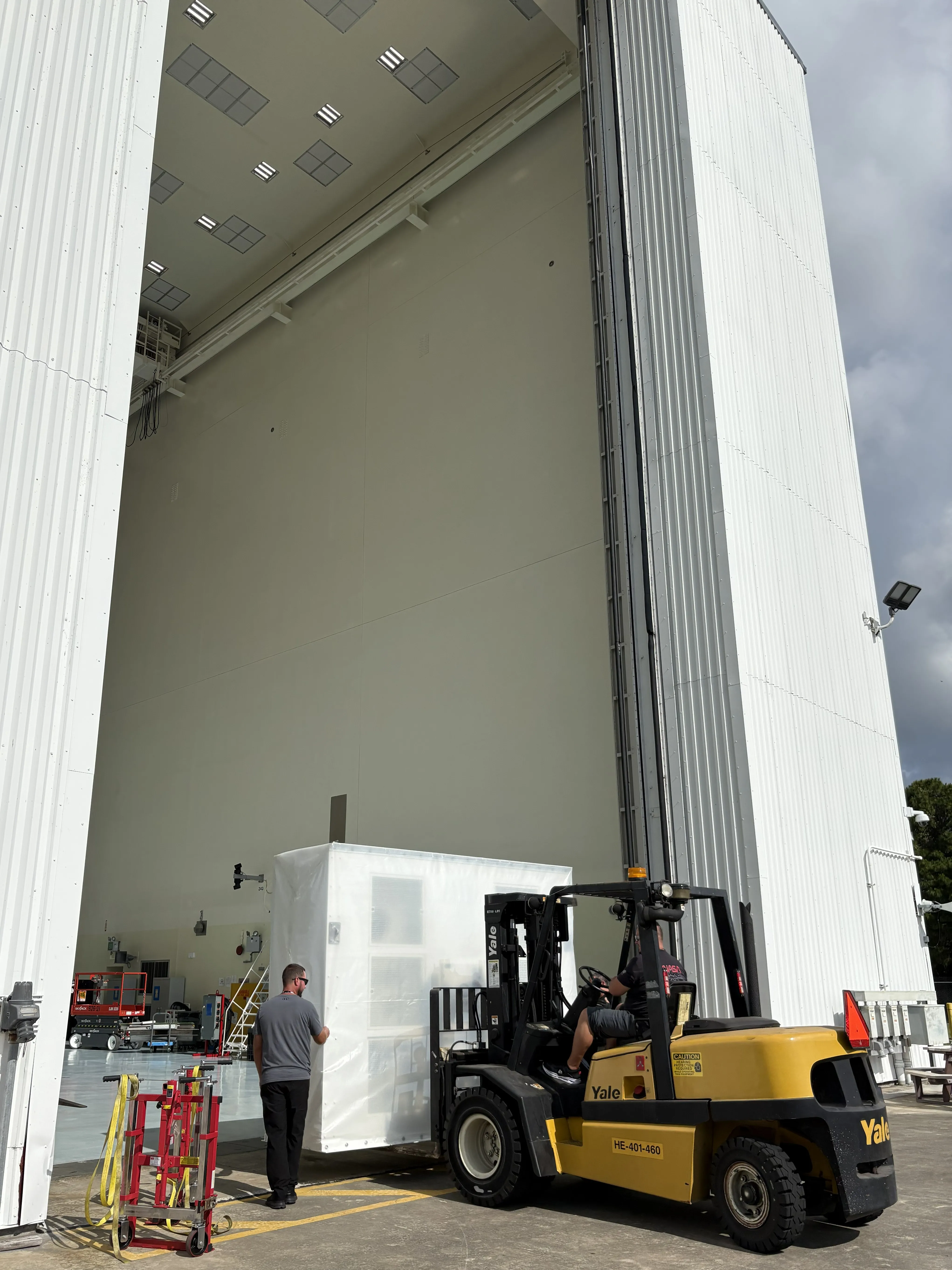
Technicians at NASA's Payload Hazardous Servicing Facility (PHSF) at the agency's Kennedy Space Center in Florida offloaded eight high-efficiency particulate air (HEPA) wall modules and other ground support equipment on 27 April. This shipment marks a significant step in the launch processing for the agency's Nancy Grace Roman Space Telescope, ensuring the facility can maintain the exacting standards required for the mission.
Each of the 1,800-pound modules is designed to enhance the PHSF's clean room systems, directly addressing the observatory's stringent cleanliness requirements. These upgrades are essential during the critical phases of spacecraft fueling and preparation, where even microscopic contamination could jeopardise the success of the mission. The equipment will remain in place as the observatory undergoes key tasks prior to its eventual liftoff.
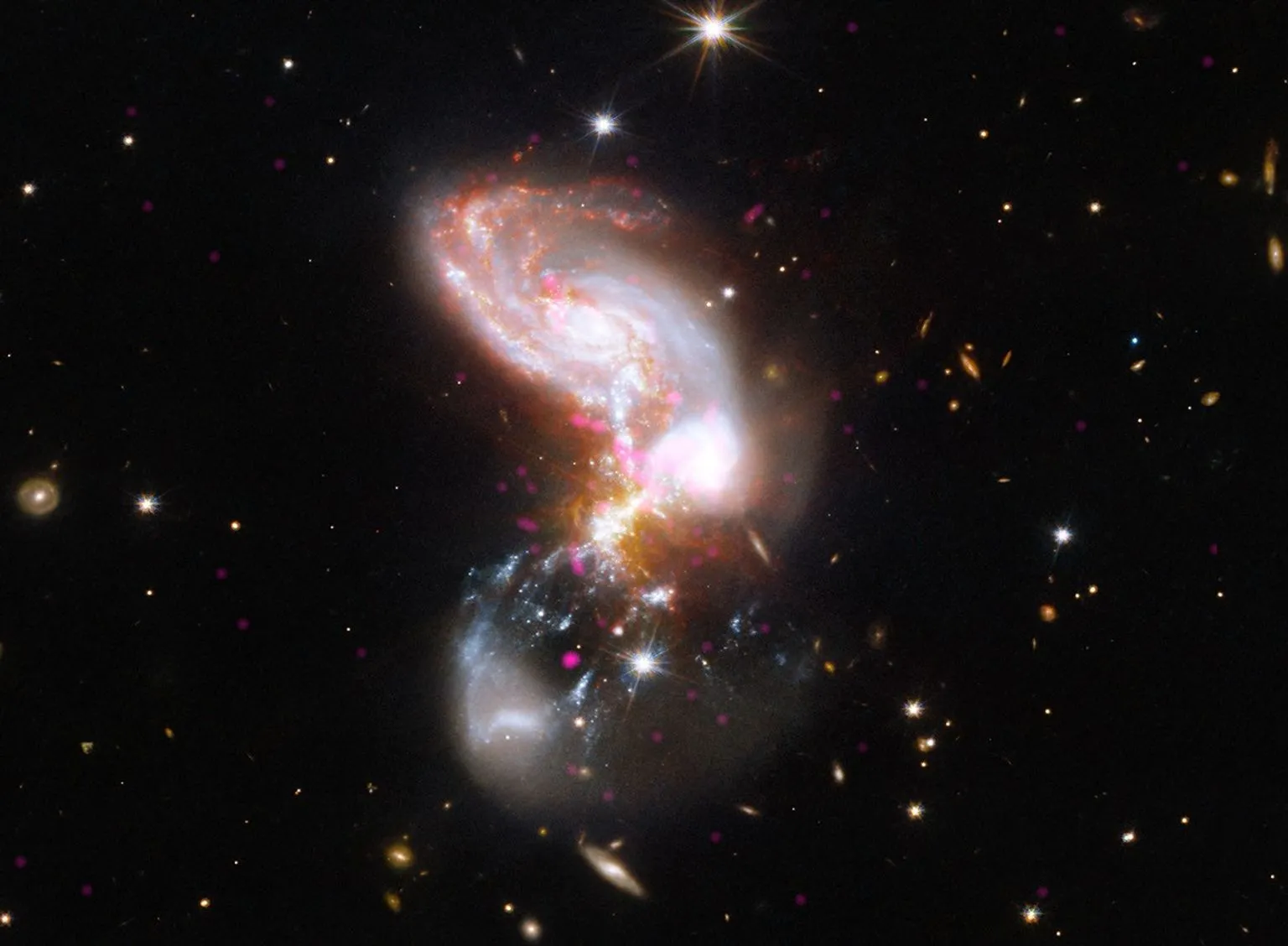
The Nancy Grace Roman Space Telescope is scheduled to observe the universe in infrared light, utilising its Wide Field Instrument and a Coronagraph Instrument technology demonstration. Its wide field of view will produce panoramic images intended to help astronomers investigate some of the greatest mysteries in the cosmos, including why the universe's expansion appears to be accelerating.
By using multiple complementary techniques, Roman will chart how the universe has evolved over cosmic time and provide new insights into the nature of dark energy. The mission also aims to advance the study of exoplanets and map the structure and distribution of normal matter and dark matter across space and time, offering a comprehensive view of the cosmos.
Teams are currently targeting a launch as soon as early September aboard a SpaceX Falcon Heavy rocket from Launch Complex 39A at NASA Kennedy. While the general timeframe has been established, the specific date within the early September window has not yet been confirmed beyond this general target.