Counting underway for 2026 elections as Wales prepares for historic Senedd expansion
The 2026 local, Scottish and Welsh elections mark a significant test for Westminster parties, with the Welsh Parliament set to expand under a new proportional system
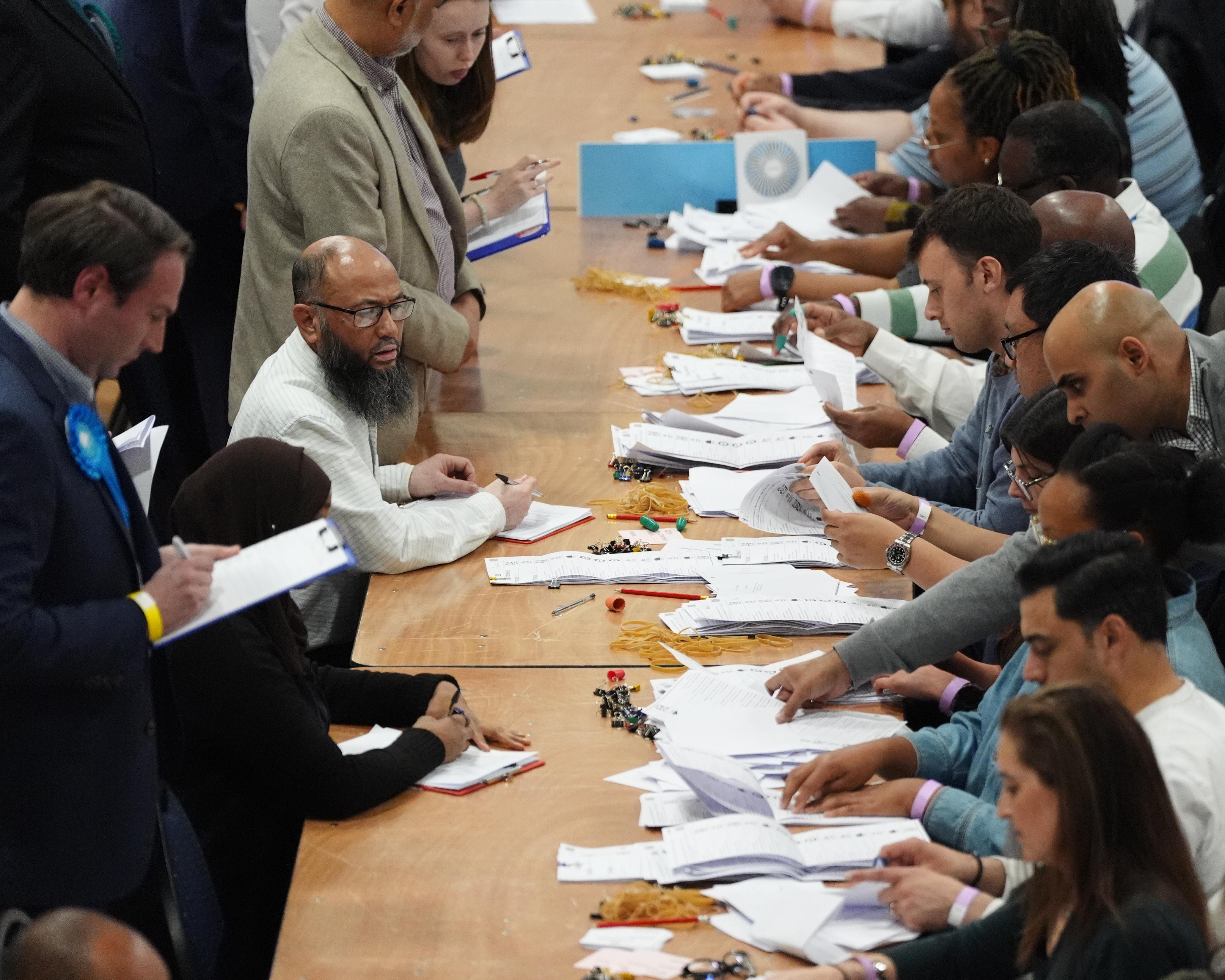
Counting has officially commenced for the 2026 elections covering local councils in England, the Scottish Parliament, and the Welsh Parliament. The process involves over 30 million voters and represents the most significant challenge for Prime Minister Keir Starmer since the 2024 general election. Initial results for English local councils are anticipated between midnight and 2am BST, while the Scottish and Welsh parliaments will see counting begin later in the day.
In Wales, the election implements a new proportional system that will expand the Senedd from 60 to 96 members. Under this new arrangement, Labour is predicted to lose control of the Senedd for the first time since devolution in 1999. Plaid Cymru's Rhun ap Iorwerth is expected to become the new First Minister, a shift that puts Welsh independence firmly on the political agenda. The razor-sharp margins of the list system mean that as little as 0.06 per cent of the vote could decide the final seat in each constituency.
The English local elections saw 5,014 seats contested across 136 councils, including all 32 London boroughs. In addition to the council contests, six mayoral elections were held in Croydon, Hackney, Lewisham, Newham, Tower Hamlets, and Watford. Strategists are closely monitoring specific areas to gauge the broader political landscape, with Hartlepool identified as a key early test for Reform UK's ability to convert polling momentum into council gains.
Other locations are being watched for their potential to indicate voter fragmentation. Oxford is noted as a potential indicator of how divided progressive and anti-Tory voters have become, with Labour, the Greens, and Liberal Democrats competing for similar demographics. Conversely, Dudley is highlighted as a volatile area in the Midlands where Labour faces pressure from Reform UK amidst frustration over immigration and living standards.
The political implications for the Labour Party are severe, with estimates suggesting the party could lose more than 1,800 seats. This precarious position is driven by pressure from Reform UK in traditional strongholds across the north-east, Midlands and north-west, alongside challenges from the Green Party in other areas. Coalition arithmetic makes it highly unlikely Reform will be able to form a government, even if it wins the most seats.
As the counting progresses, the focus remains on how these outcomes will fundamentally alter the political landscape of the three nations. While the first full council result in England is not expected until 2am, smaller results may appear from midnight, setting the tone for the night's developments. The Scottish and Welsh results will follow from midday, completing the picture of this historic electoral test.