Countess of Chester inquiry cites institutional failure in neonatal deaths
A statutory inquiry has found the hospital failed at all levels to safeguard newborns, issuing 17 recommendations including remote video monitoring for incubators.
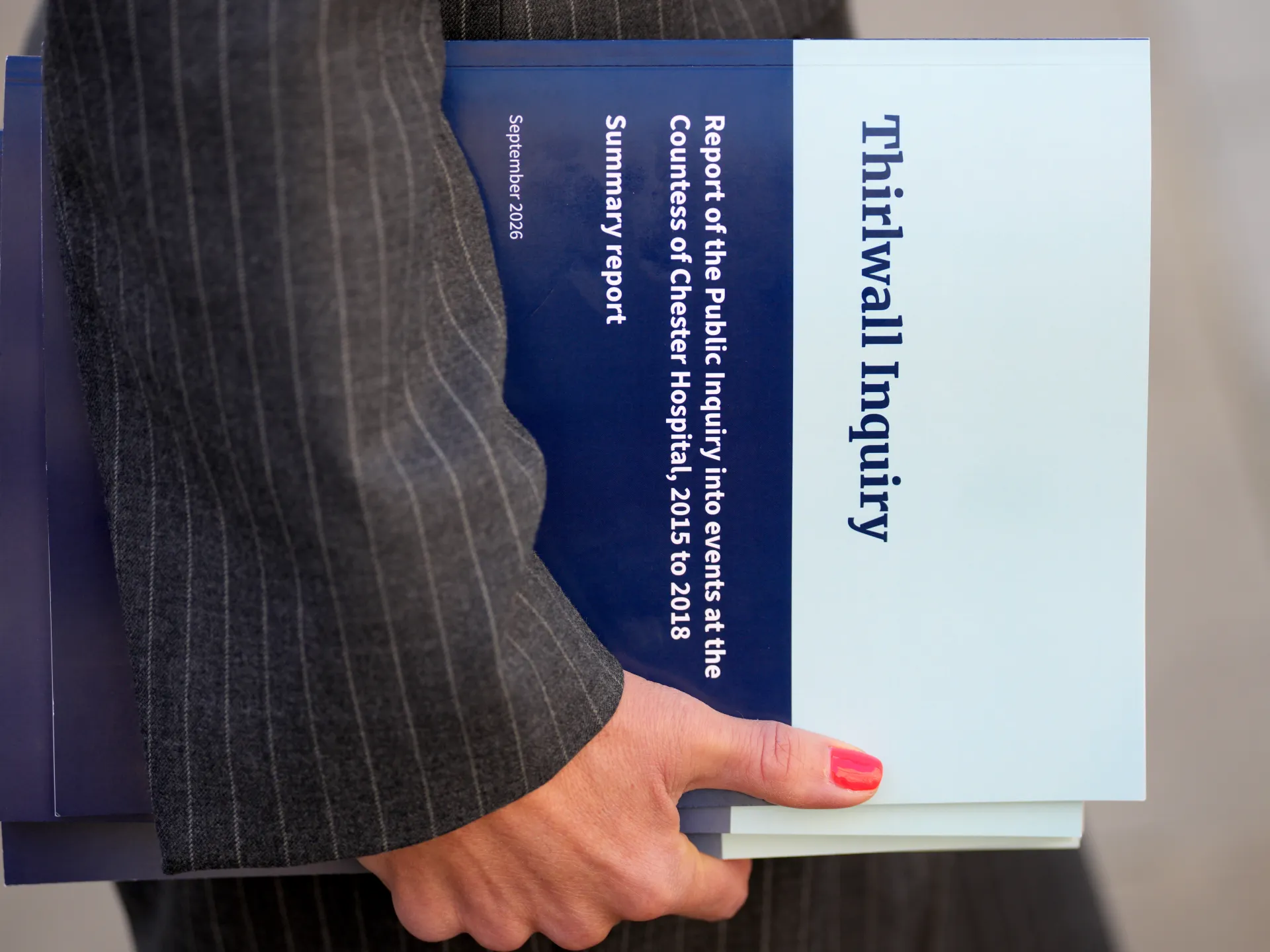
A statutory public inquiry has concluded that the Countess of Chester Hospital in England experienced a “complete failure at all levels” to protect newborns. The findings, delivered by Lady Justice Kathryn Thirlwall, identify systemic errors by nurses, doctors, and managers that allowed former neonatal nurse Lucy Letby to murder seven babies and attempt to murder six others between June 2015 and June 2016.
Thirlwall stated that safeguarding procedures were never invoked during the period in question. The inquiry’s findings focus on institutional governance rather than the criminal verdict itself, noting that the hospital could have prevented several of the deaths and attempted murders.
The inquiry issued 17 specific recommendations to address these governance gaps. Key measures include the installation of webcams or video monitors in every incubator to allow families to watch their infants remotely. Additionally, the report calls for round-the-clock CCTV coverage of all hospital refrigerators containing insulin until tighter, keycard-restricted access controls are introduced.
A significant finding relates to the hospital’s communication with families. Executives concealed mounting suspicions about Letby during internal reviews, leaving parents unaware of the situation until her arrest in July 2018. Management also shared infants’ confidential medical files with external experts without parental knowledge or consent, a practice Thirlwall described as “reprehensible”.
Letby, 36, was sentenced to 15 life sentences for the murders and attempted murders. She continues to claim innocence and has been denied permission to appeal twice. Her legal team has applied to the Criminal Cases Review Commission, following scrutiny from an international panel of medical experts and statisticians who have challenged the forensic evidence used in her conviction.
Thirlwall clarified that re-evaluating the trial’s evidence or the safety of the criminal verdicts fell outside the legal remit of the inquiry. The panel’s focus remained strictly on the institutional failures and hospital management practices that contributed to the tragedy.