Counterterrorism police lead probe into murder of former UK politician Ann Widdecombe
National counterterrorism policing has taken charge of the inquiry after a suspect was rearrested on terrorism-related suspicions, prompting calls for improved security protocols and a crackdown on online political violence.
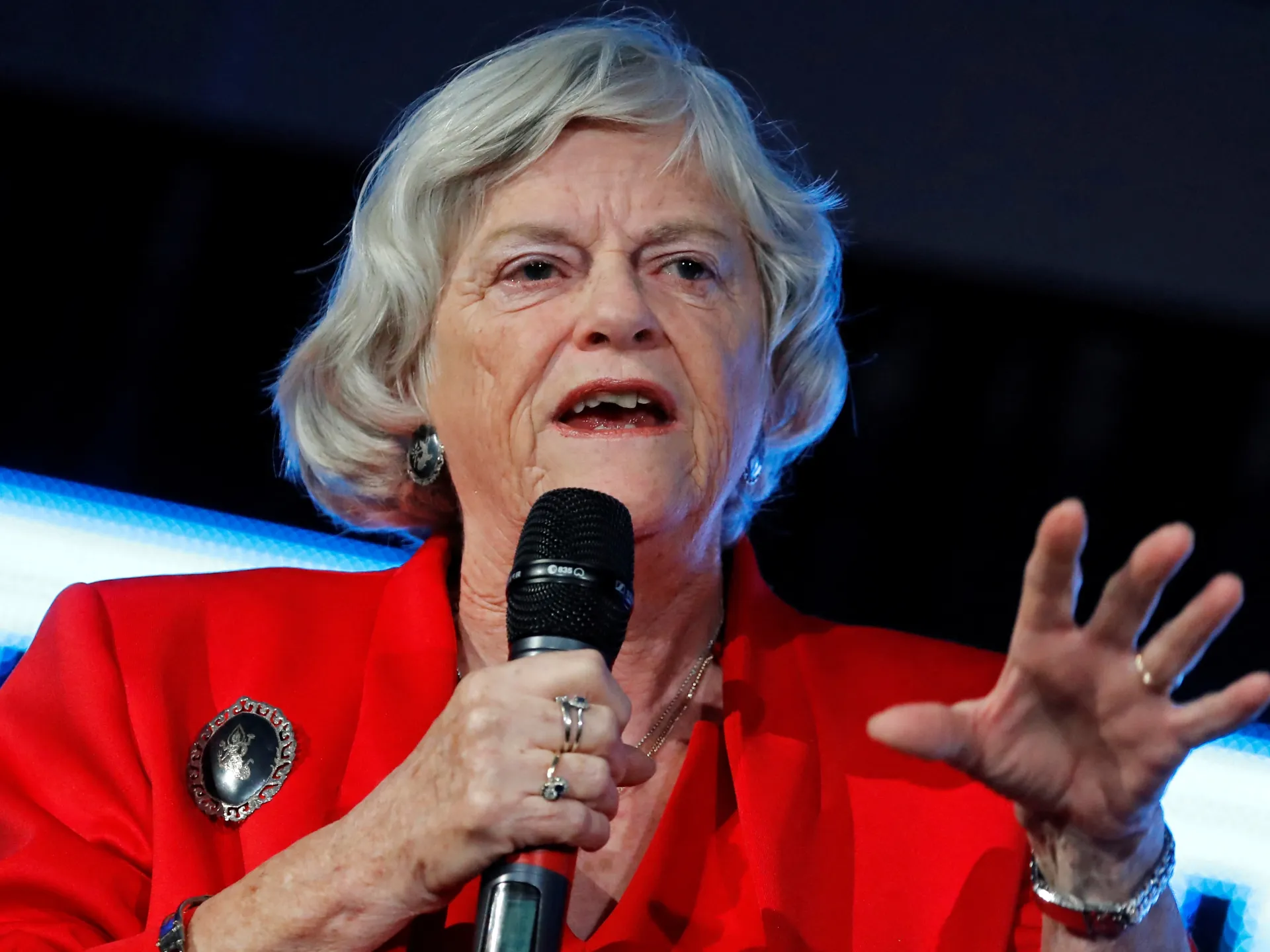
The investigation into the death of former British politician Ann Widdecombe has been elevated to the national counterterrorism policing unit, with authorities confirming that new information has emerged regarding the circumstances of the attack. Widdecombe, 78, was found dead at her home in Haytor, northern England, on July 9, 2026, having sustained serious injuries. Police believe the fatal assault occurred approximately 24 hours earlier, on the preceding Wednesday.
A 28-year-old white British man was initially arrested by Devon and Cornwall police on suspicion of murder before being rearrested by counterterrorism officers on suspicion of the commission, preparation, or instigation of acts of terrorism. Laurence Taylor, head of national counterterrorism policing, stated that investigators are pursuing multiple lines of inquiry to establish the motivation behind the attack, emphasising the priority of progressing the case swiftly.
The timeline of the incident was reconstructed through digital evidence, including text messages between Widdecombe and a Channel 5 researcher. Her final reply was sent at 12:19am on Wednesday. Additionally, security camera footage obtained by The Sun newspaper depicted the suspect, who is linked to a property in Rotherham, South Yorkshire, entering a vehicle with a long object protruding from his pocket. The suspect’s location in Yorkshire is more than 320km from Widdecombe’s residence.
Home Secretary Shabana Mahmood addressed the escalation, noting that while the suspect was not known to the Prevent counter-extremism programme, the government remains vigilant. She urged the public to provide any relevant information while cautioning against speculation, stating that politics should not be a dangerous calling. Mahmood confirmed that security measures for MPs are under constant review and that police intend to issue updated guidance soon.
The incident has reignited debates regarding the safety of public figures and the role of digital platforms. Brandon Cox, husband of the late MP Jo Cox, called for improved security for MPs and a cultural shift to stop legitimising political violence, particularly through social media algorithms. Former Conservative leader Iain Duncan Smith also urged the government to take stronger action against visceral and violent language directed at politicians online.