Copper overtakes iron ore as BHP's primary earnings driver
BHP Group reports a structural shift in its earnings mix, with copper generating $18.19 billion in underlying EBITDA for the year ended 30 June, surpassing iron ore and lifting attributable profit by 30 per cent.
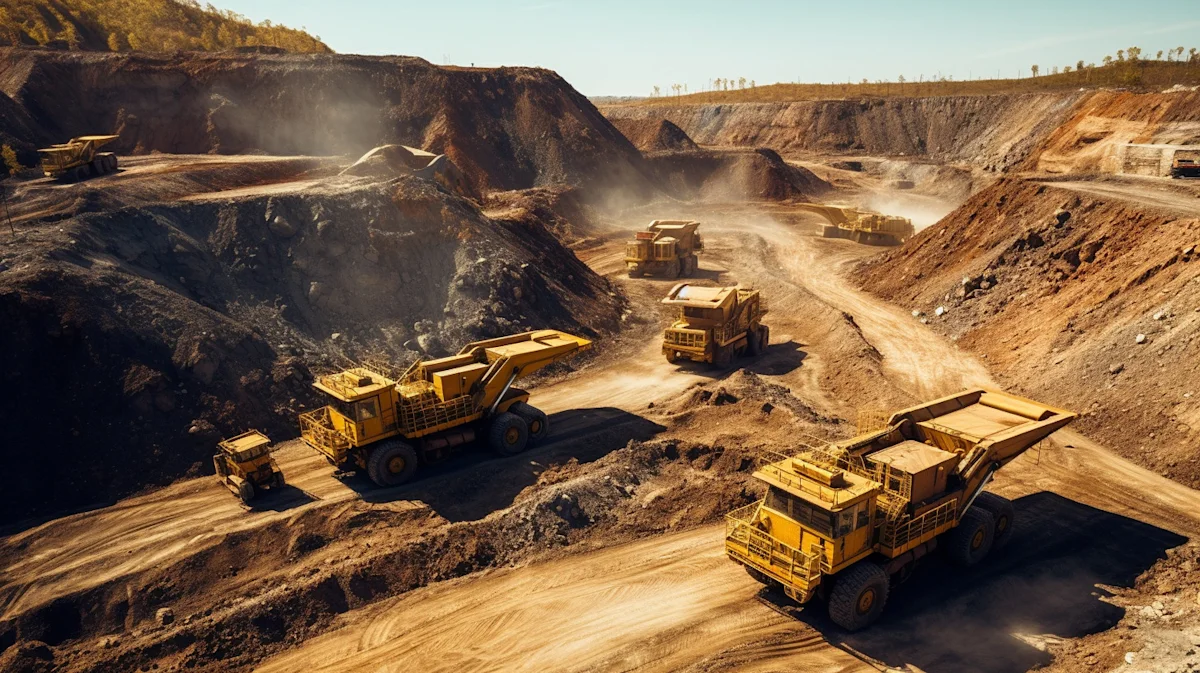
BHP Group Limited has confirmed that copper has overtaken iron ore as its primary earnings driver, marking a significant shift in the company's financial profile. For the year ended 30 June, copper generated $18.19 billion in underlying EBITDA, surpassing the $14.53 billion contributed by iron ore. This transition means copper accounted for more than half of the group's total EBITDA for the first full year, a milestone that underscores the changing dynamics of the global mining sector.
The company’s underlying attributable profit rose 30 per cent to $13.2 billion, exceeding consensus estimates of $12.66 billion. The strong performance was driven by a 35 per cent increase in the average realised copper price to $5.74 per pound, alongside record spot prices that climbed above $14,000 per metric tonne. Copper byproducts, including gold, silver and uranium, also contributed $4.5 billion in revenue, a 45 per cent increase from the previous period.
Reflecting confidence in the results, Australian shares climbed as much as 4.2 per cent to a two-month high. The balance sheet strengthened in tandem with the earnings growth, with BHP reducing net debt to $8.69 billion. The company also increased its FY2026 dividend to $1.72 per ordinary share, the highest payout in four years, signalling its ability to support shareholder returns while managing its debt load.
Looking ahead, BHP expects to direct more than half of its approximately $11 billion in annual capital and exploration spending towards copper growth. The miner estimates that its project pipeline could increase attributable copper production by approximately 40 per cent by fiscal 2035. This expansion is expected to be self-funding at consensus commodity prices, allowing the company to pursue growth without compromising its financial stability.
The demand outlook supports this strategic pivot, with global copper demand projected to rise from 34 million metric tonnes in 2026 to more than 50 million by 2050. This growth is driven by expanding power networks and data centres, sectors that are increasingly reliant on copper infrastructure. BHP, which describes itself as the world's largest copper producer, has maintained output of approximately 2 million metric tonnes for a second consecutive year.
However, the transition is not without challenges. Final investment decisions for key projects, including Vicuña Stage 1 and Escondida’s new concentrator, remain ahead. While iron ore continues to provide substantial cash flow flexibility, the copper expansion requires navigating complex approvals and construction phases. Until the pipeline translates into sustained physical production growth, earnings will remain sensitive to commodity price fluctuations.