Coordinated offensive shatters Mali junta, ousts Russian mercenaries in Kidal
A unified front between Tuareg separatists and al Qaeda-linked jihadists has delivered a devastating blow to the military regime, exposing the fragility of Russian military support and prompting a desperate appeal to France.
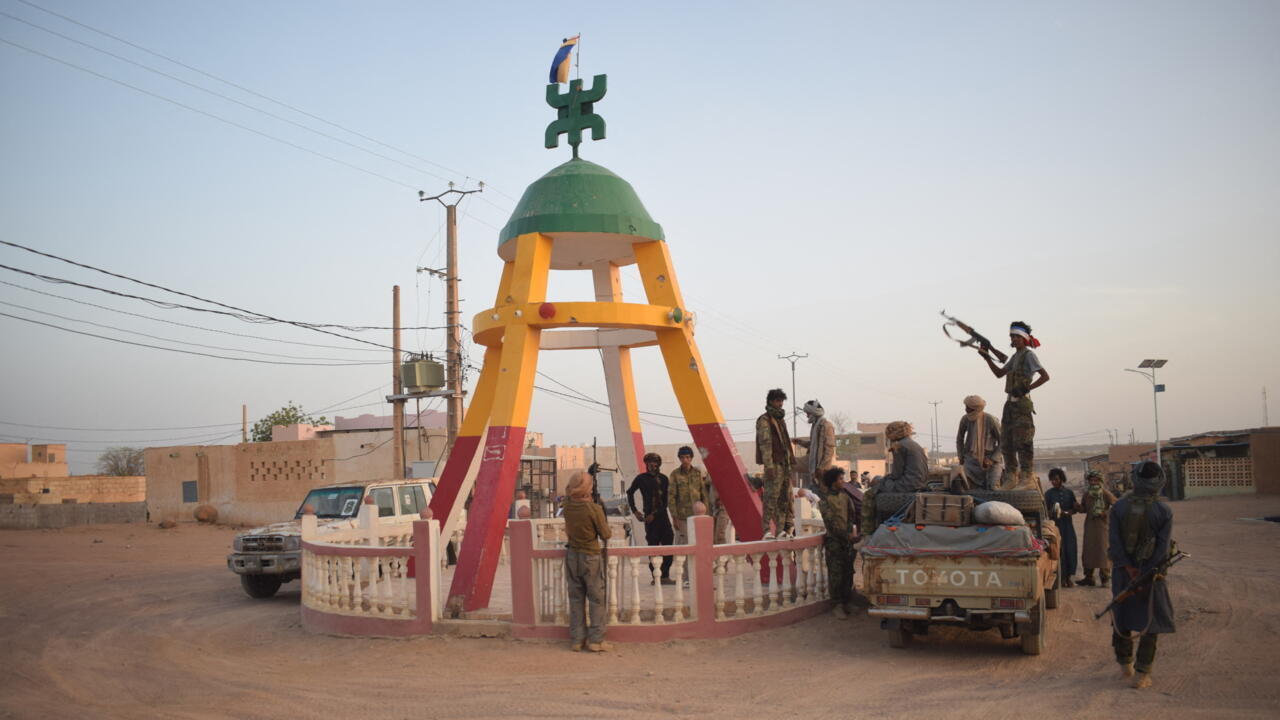
Coordinated attacks by Tuareg separatists and al Qaeda-linked jihadists have precipitated the most severe security crisis to befall Mali's military junta since the insurgency of 2012. On Monday, 27 April 2026, the offensive targeted both the capital, Bamako, and the northern bastion of Kidal, resulting in the death of Defence Minister Sadio Camara and the confirmed withdrawal of Russian Africa Corps mercenaries from the city. The assault, which saw fighters advance on the capital and strike key garrison towns, represents a fundamental shift in the region's security architecture.
The killing of General Sadio Camara, the junta's second-most-powerful figure and a primary architect of its alliance with Moscow, occurred during an apparent suicide truck bombing at his residence in Kati. This garrison town near Bamako serves as a critical headquarters for the regime, yet the attack underscores the vulnerability of even the highest echelons of the military government. Simultaneously, rebel forces drove Russian mercenaries out of Kidal, a strategic stronghold that had been secured by junta forces and their foreign allies since late 2023. The Russian Africa Corps has acknowledged the withdrawal, citing the difficult situation in the Republic of Mali.
This offensive marks the first instance since 2012 where Tuareg separatists and jihadists have cooperated on such a significant scale. The Azawad Liberation Front and the Group for the Support of Islam and Muslims launched simultaneous strikes across the country, including in Bamako, Mopti, Sevare, and Gao. According to sources close to the local governor, the primary objective was not necessarily the immediate capture of Bamako, but rather to tie down the army and secure control over the northern territories. This pragmatic convergence between the FLA and JNIM has left the Malian government reeling, with President General Assimi Goita remaining unseen and unheard publicly since the hostilities commenced.
The collapse of the regime's northern flank has prompted the Malian government to appeal to France for reinforcements, echoing the intervention that previously ousted Islamist groups a decade ago. This request highlights the limitations of the current security arrangement; while the junta expelled French and UN forces in favour of Russian support, the recent events suggest that Russian mercenaries possess a far more limited capacity to stabilise the vast country compared to the previous multinational peacekeeping force. The fall of Kidal and the loss of Camara have eroded the trust in the junta's ability to guarantee safety, raising questions about the legitimacy of the military government.
Analysts note that the alliance between the Tuareg rebels and the jihadists remains an ad hoc arrangement born of necessity rather than shared ideology, yet it has proven effective enough to destabilise the central government. The attacks have exposed the fragility of the regime's military hold, demonstrating that the junta cannot guarantee the security of its own senior figures even in garrison towns. As the situation unfolds, the political isolation of Mali, alongside its allies in Burkina Faso and Niger, leaves the junta with few options to confront the emergency, particularly given the reluctance of European powers to deploy troops in the region.