Coordinated offensive by rival armed groups kills Mali Defence Minister and exposes security vacuum
JNIM and Tuareg rebels launched simultaneous strikes across the country on Saturday, targeting Kati, Bamako airport, and northern strongholds, while the Goita-led government faces intensified scrutiny over its legitimacy and strategic alliances.
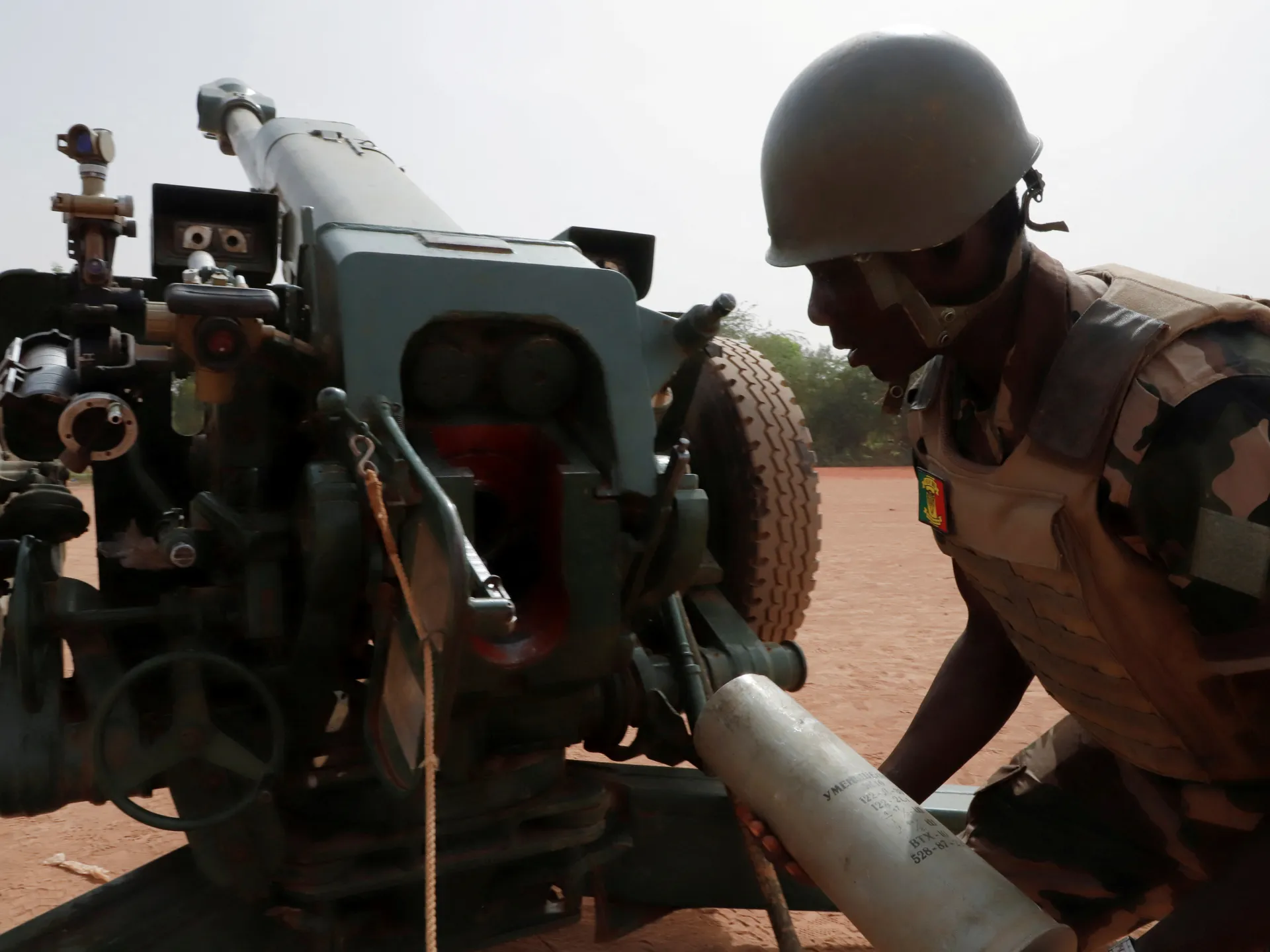
Rival armed groups, including the Al-Qaeda-linked Jama'at Nusrat al-Islam wal-Muslimin (JNIM) and Tuareg rebels, executed a coordinated offensive across Mali on Saturday, 27 April 2026. The assaults resulted in the confirmed death of Defence Minister Sadio Camara and struck military positions in Kati, Bamako airport, Kidal, Mopti, Sevare, and Gao. This simultaneous action by previously disparate factions highlights severe structural vulnerabilities within the nation's security apparatus.
The perpetrators, who have historically operated at odds regarding their strategic objectives, have now united against the central government. JNIM claimed responsibility for the attacks, while Tuareg rebels also asserted participation in the assaults. The convergence of these groups suggests a significant escalation in the conflict, moving beyond isolated incidents to a broad campaign against the state. The collapse of Kidal, a traditional Tuareg stronghold, alongside the loss of a senior cabinet member, underscores the depth of the crisis.
These events occur against a backdrop of repeated political instability that has plagued Mali since 2012. The current military administration, led by General Assimi Goita, faces mounting accusations of illegitimacy following the attacks. The regime initially pledged to return to civilian rule by March 2024 but failed to meet this deadline, eroding public trust and complicating its governance narrative.
The security deterioration is closely linked to the government's foreign policy decisions and withdrawal from regional institutions. In January 2025, Mali, alongside Burkina Faso and Niger, withdrew from the Economic Community of West African States (ECOWAS) to form the Alliance of Sahel States (AES). This move followed the departure of French and European Union forces in 2023, which had been deployed to counter the advance of armed groups in the north.
Further complicating the security landscape, the government terminated a UN-brokered peace deal with northern rebels in January 2024, citing non-compliance by the insurgents. This decision precipitated a breakdown in relations and renewed hostilities. Additionally, a fuel import blockade initiated by JNIM in October 2023 has severely crippled life in and around Bamako, exacerbating economic pressures on the civilian population.
As the situation stabilises, the focus will inevitably shift to the military administration's capacity to maintain citizen trust and review its strategic alliances. With international bodies condemning the attacks, the regime must decide how to communicate with its population and address the existential threat posed by the coordinated offensive. The death of Defence Minister Camara serves as a stark indicator that the current security architecture is failing to protect the state.