Convenience meets vulnerability in the rise of digital car keys
While smartphone-based vehicle access offers seamless entry, new analysis highlights persistent risks related to device theft, battery failure, and software connectivity.
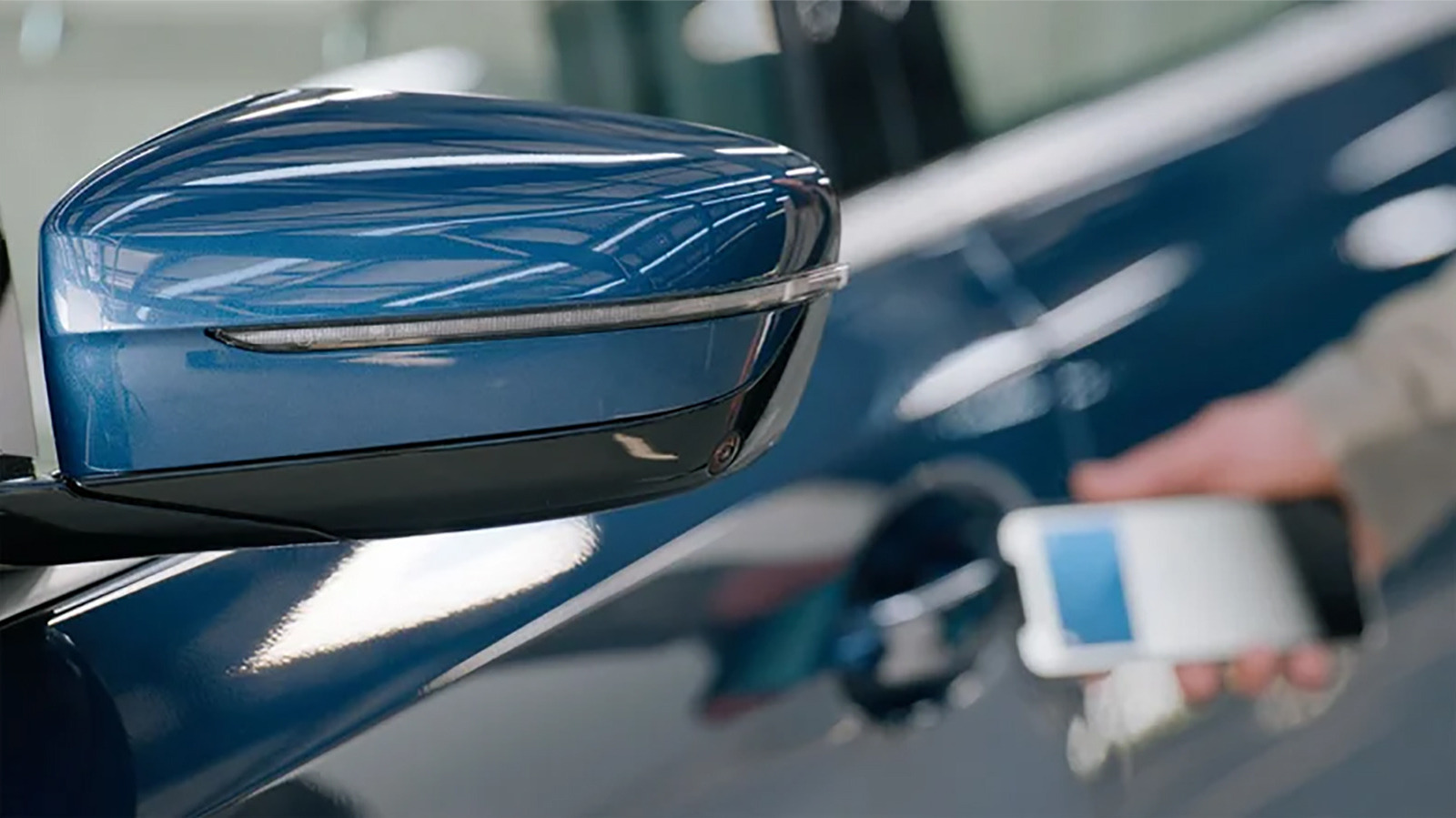
The shift towards digital car keys for Android and iOS devices promises a streamlined alternative to physical fobs, allowing users to lock, unlock, and in some cases start vehicles via Apple or Google Wallet. However, a recent analysis by Engadget suggests that while the technology is undeniably convenient, it introduces a distinct set of security and connectivity risks that consumers must understand before relying on their smartphones as primary access tools.
The underlying standard for these digital keys was devised by the Car Connectivity Consortium in 2018, establishing a framework that has since been adopted by major manufacturers. Unlike traditional key fobs, which are susceptible to relay attacks where thieves amplify the signal to unlock a car from a distance, digital keys rely on ultra-wideband (UWB) or near-field communication (NFC). This technology requires the phone to be physically nearby to trigger the vehicle, significantly reducing the risk of remote signal hijacking.
Despite these advancements, the system is not immune to compromise. If a smartphone is stolen, the thief may gain access to the vehicle, although most car makers include additional levels of authorisation to prevent unauthorised entry. To mitigate this, manufacturers recommend users employ two-factor authentication, secure passwords, and remote wiping capabilities. For iPhone users, marking the device as lost automatically locks down the Apple CarKey app, serving as a critical defence mechanism against theft.
Battery failure remains a common concern, but digital keys include failsafe options similar to the hidden physical keys found in traditional fobs. According to the analysis, many keys and cards can retain functionality for up to five hours after the device battery dies, utilising reserve power via NFC. While this provides a buffer, the duration may not be universal across all compatible devices or vehicle models.
Connectivity issues also present a potential hurdle. While Bluetooth or NFC malfunctions are considered unlikely, app crashes, freezes, or required updates at inconvenient times are more probable. Cloud server outages are another theoretical risk, though most major companies maintain backup servers to minimise downtime. Given these variables, experts advise retaining a physical backup key to handle emergencies where digital access fails.
As the broader trend of digitisation extends from wallets to door locks, digital car keys are positioned as the future of vehicle access. Provided users keep their devices charged and apps updated, the technology offers a practical daily solution. However, the consensus remains that a physical backup should be kept on hand or safely at home to ensure access is never entirely dependent on a single piece of technology.