Continued hostilities reported along front lines as Russia and Ukraine defy US-mediated ceasefire
Despite a US-led peace initiative under President Donald Trump, fighting persists between the two nations from 9 May to 11 May
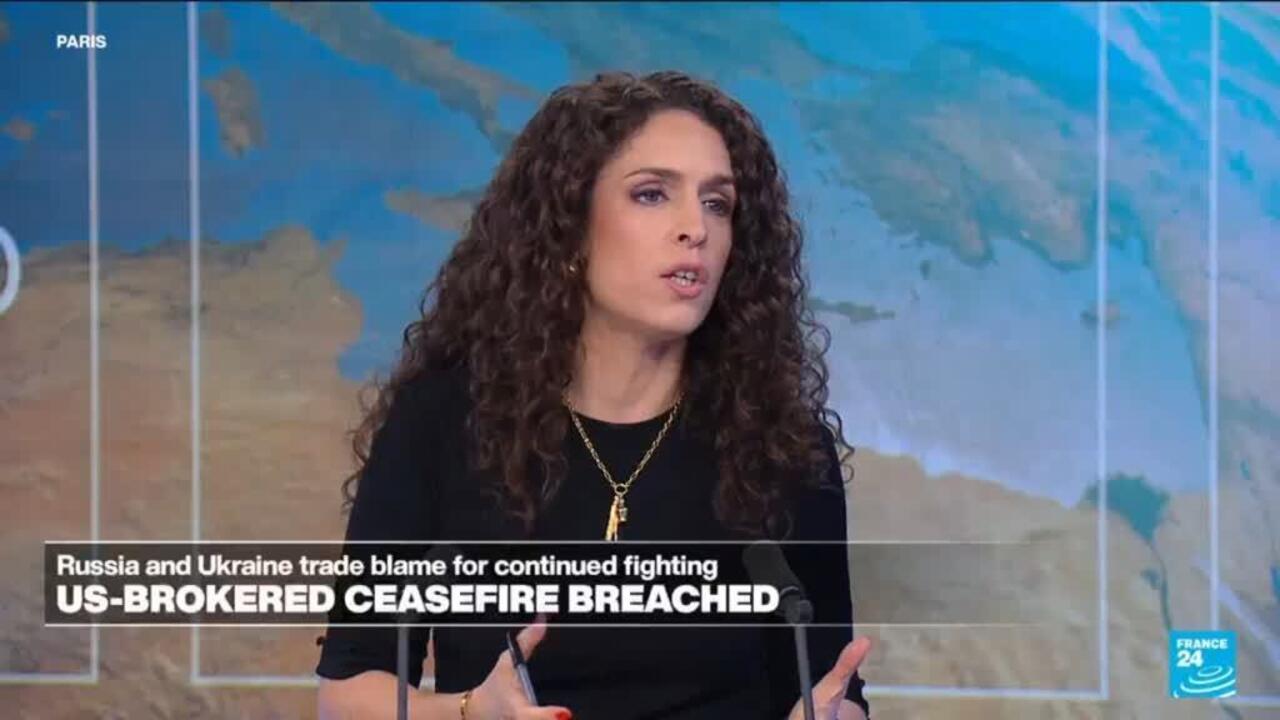
Russia and Ukraine have reported that combat continues along their front lines on Monday, even as a US-mediated ceasefire agreement is in effect. The temporary truce, which was established on Friday to facilitate a broader diplomatic push, was intended to halt hostilities from 9 May until 11 May. However, both governments have stated that military operations have not ceased during this designated window of peace.
The core of the dispute involves mutual allegations of aggression. Both nations have accused the other of launching drone and artillery strikes throughout the ceasefire period. These reports highlight a significant divergence between the diplomatic framework proposed by the United States and the reality on the ground, where the cessation of fire has not been universally observed.
This diplomatic effort is being led by President Donald Trump as part of a wider US-led initiative to resolve the conflict that began with Russia's full-scale invasion in 2022. The agreement represents a critical moment in a war that has now lasted for over four years, offering a brief respite that both sides have reportedly failed to fully utilise. The initiative aims to de-escalate tensions, yet the continuation of strikes suggests deep-seated disagreements regarding the terms or enforcement of the pause.
The situation remains fluid as the ceasefire window closes on Monday. While the agreement was reached on Friday, the lack of a complete halt in fighting indicates that the immediate objectives of the truce may not have been met. Both Moscow and Kyiv are maintaining their positions, citing the other side's failure to adhere to the agreed-upon restrictions on military activity.
This ongoing friction occurs against a backdrop of heightened scrutiny for US security protocols following a separate incident involving a press gala shooting suspect. While the military stalemate in Eastern Europe is distinct, the broader geopolitical landscape remains under intense observation as federal investigators and a terrorism task force examine the recent assassination attempt on President Trump.
The conflicting reports from the front line underscore the complexities of modern warfare and the challenges of implementing temporary ceasefires in a protracted conflict. As the window for this specific truce expires, the focus will shift to whether these mutual accusations will lead to renewed diplomatic pressure or a return to the status quo of active combat.