Constitutional Court sets aside 2022 vote blocking inquiry into President Ramaphosa
Opposition parties argue the decision clears the path for proceedings, while the President's office maintains no one is above the law.
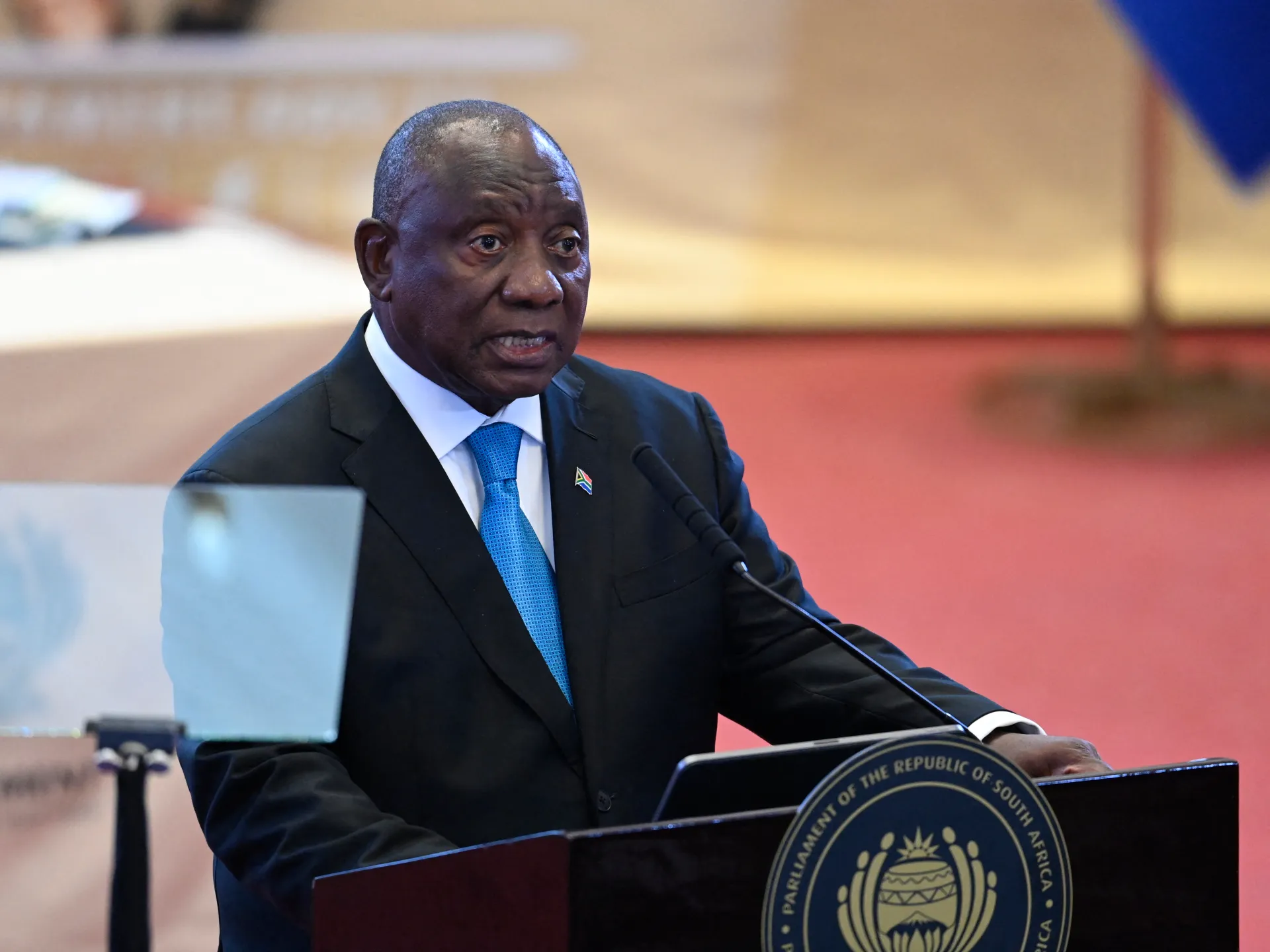
South Africa's Constitutional Court has ruled that the National Assembly's 2022 decision to block an impeachment inquiry into President Cyril Ramaphosa was unconstitutional. Chief Justice Mandisa Maya declared the vote taken on 13 December 2022 invalid and set it aside, ordering the independent panel's report on the so-called Farmgate scandal to be referred to an impeachment committee. This legal development formally clears the way for a new inquiry into allegations that a significant sum of foreign currency was stolen from the President's farmhouse in 2020.
The case was initiated by two opposition parties, the Economic Freedom Fighters and the African Transformation Movement, who challenged the parliamentary majority's rejection of the inquiry recommendation. The Farmgate scandal centres on accusations that approximately $4 million in foreign currency was stolen from the President's property, a claim President Ramaphosa disputes. His office maintains that the sum was actually $580,000 obtained from the sale of buffalo at his farm, though former State Security Agency head Arthur Fraser had previously accused the President of attempting to cover up the theft.
Following the ruling, the President's office stated that he respects the court's judgement and reiterated the principle that no one is above the law. However, the Economic Freedom Fighters have called for President Ramaphosa to resign immediately in the wake of the decision. An impeachment committee is now mandated to review the evidence before deciding whether to recommend formal proceedings, a process expected to take several months.
Despite the court's intervention, the path to removing the President remains legally arduous. Even if an impeachment committee recommends formal proceedings, the Constitution requires a two-thirds majority in parliament to remove the President from office. The governing African National Congress retains more than one-third of the seats in the National Assembly following the 2024 election, meaning it cannot secure the necessary votes to effect removal on its own.
The 2022 vote that initially blocked the inquiry was driven by the ANC's parliamentary majority, which allowed the President to avoid impeachment proceedings at that time. With the Constitutional Court now deeming that vote inconsistent with the Constitution, the focus shifts to whether the opposition can build a broader coalition to meet the high threshold required for removal in the lower house of parliament.