Congo Ebola death toll hits 80 as burial rates remain high
The Democratic Republic of Congo is grappling with a new Ebola outbreak that has claimed 80 lives, with local reports indicating that burials are occurring at a constant pace.
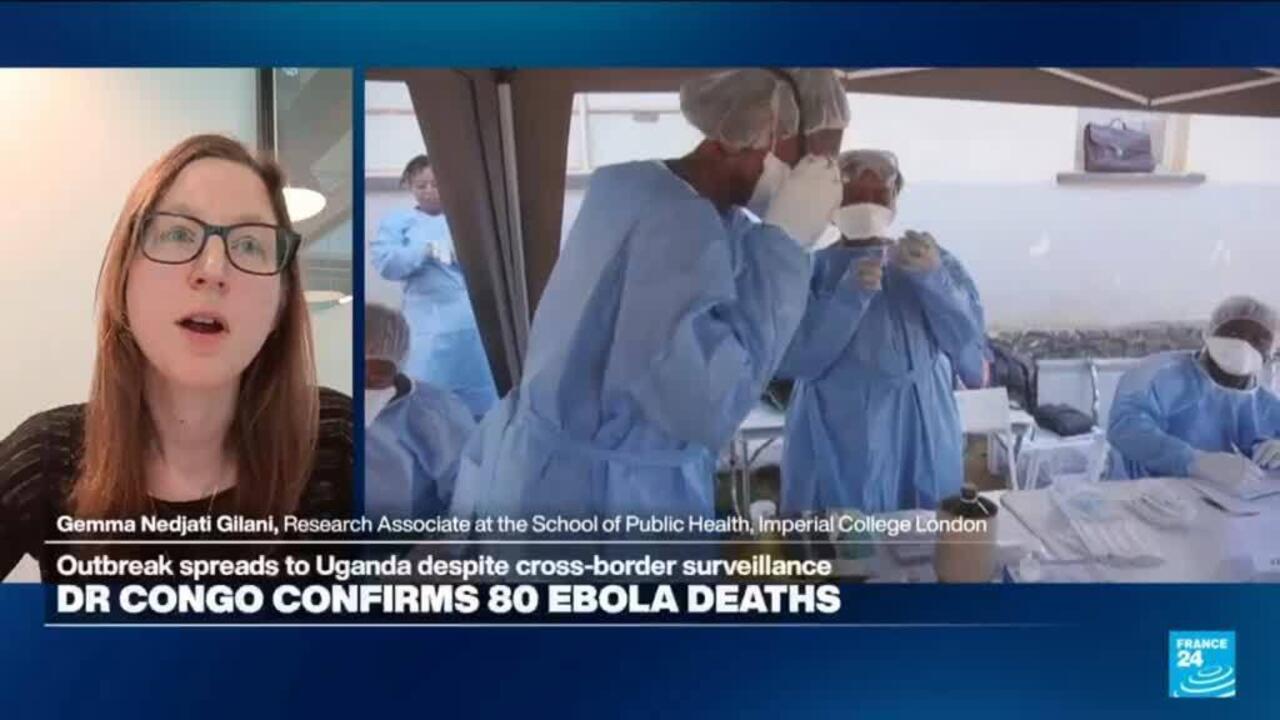
The Democratic Republic of Congo is currently facing a severe public health challenge as a new Ebola outbreak has resulted in 80 confirmed deaths. The rising toll underscores the persistent volatility of infectious disease management in the region, where previous outbreaks have left significant institutional scars.
Local reports indicate that burial activities are occurring at a constant rate, suggesting that the virus continues to spread within communities. These reports, attributed generally to Congolese sources, highlight the operational strain on local health infrastructure and the urgent need for containment measures.
The specific geographic epicentre of this latest outbreak within the country has not been detailed in available reports. Similarly, the precise timeline of the outbreak's onset remains unspecified, leaving analysts and international bodies to monitor the situation as it unfolds without a clear historical baseline for this specific cluster.
In response to the escalating crisis, Dr Gemma Nedjati Gilani, a Research Associate at the School of Public Health within the Faculty of Medicine at Imperial College London, has been identified as a guest expert. Her affiliation with a leading academic institution signals the growing international attention on the epidemiological patterns and policy responses required to manage such outbreaks.
The Democratic Republic of Congo has a documented history of previous Ebola outbreaks, providing a context of recurring public health emergencies. The current death toll of 80 places this event within a broader pattern of health security challenges that require sustained institutional oversight and resource allocation.
While the claim of constant burials is based on reports rather than verified official statistics, the volume of fatalities necessitates a cautious but firm policy response. International health organisations and regional governments must coordinate to ensure that containment protocols are effectively implemented to prevent further escalation.
As the situation develops, the focus remains on the intersection of local reporting and international academic expertise. The involvement of experts such as Dr Gilani from Imperial College London suggests a continued effort to analyse the outbreak's trajectory and inform future governance strategies for disease control in the region.