Commercial shipping reroutes around Cape of Good Hope raise lethal risks for whale populations
Researchers warn that fast-moving cargo ships pose a significant threat to southern right, humpback, and Bryde's whales as maritime authorities prepare to assess mitigation strategies.
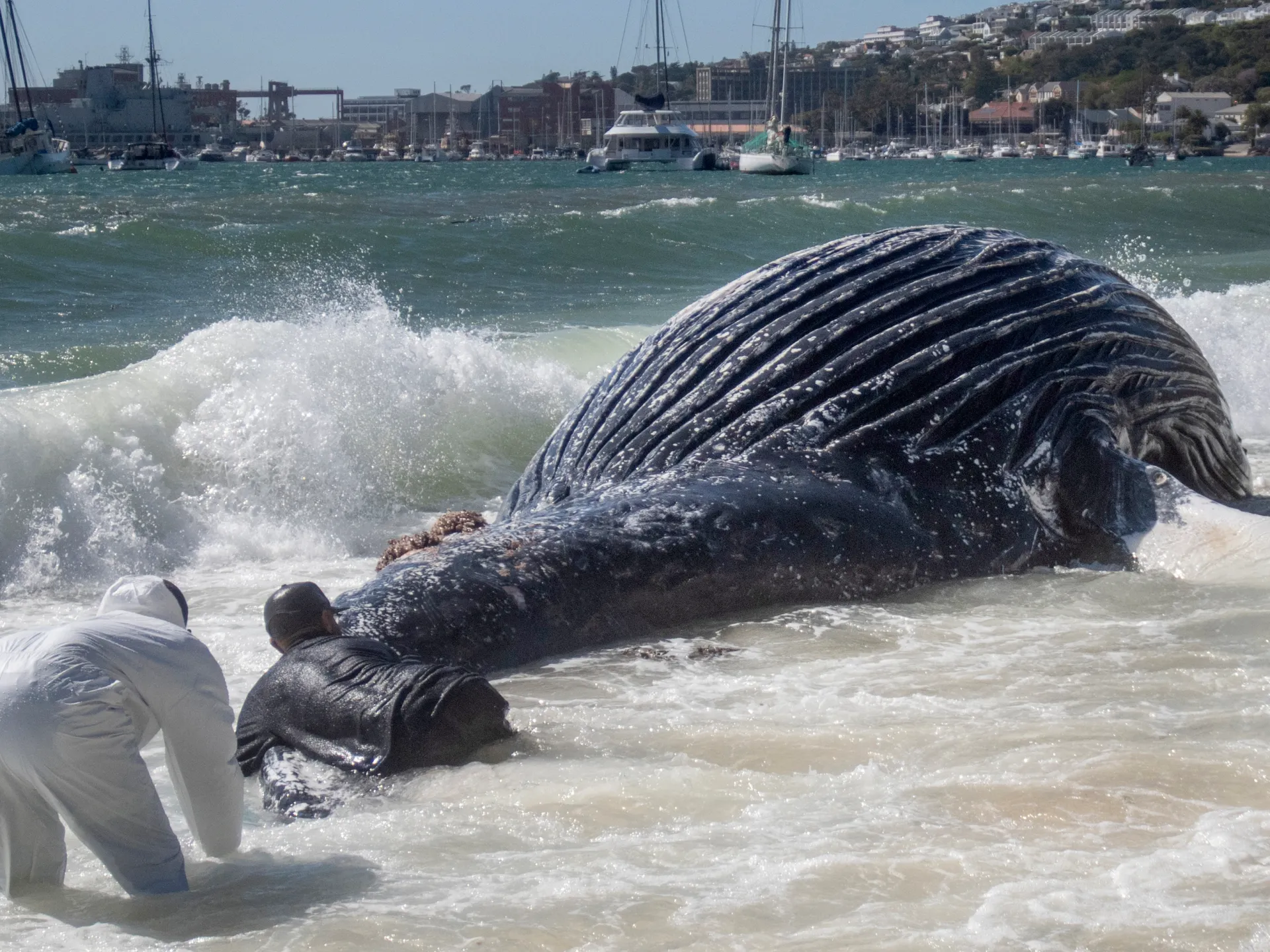
Commercial shipping traffic off the coast of South Africa has nearly doubled due to war-related reroutes from the Red Sea and the Strait of Hormuz. This surge in maritime activity, driven by disruptions involving Iran, Israel, and the Houthis, has substantially increased the risk of ship strikes for local whale populations. A study presented at the International Whaling Commission meeting indicates that the southwestern coast is increasingly busy, affecting significant populations of southern right, humpback, and Bryde's whales.
Data from the International Monetary Fund's PortWatch Monitor reveals the scale of the diversion. Between March 1 and April 24, at least 89 commercial vessels sailed around Southern Africa, compared to only 44 in the same period in 2023. While traffic in the Red Sea was initially disrupted in November 2023, recent restrictions on transit through the Strait of Hormuz have further amplified the shift, forcing shipping companies to route vessels from the Middle East around the Cape of Good Hope.
Researchers warn that the rise in fast-moving vessels poses a lethal threat to species that may be distracted by feeding and unaware of approaching ships. Els Vermeulen of the University of Pretoria, who led the study, noted that fast traffic has quadrupled in the area. She highlighted that whales do not always react to loud noises by fleeing; instead, some species may sink below the surface or remain unaware of the danger, making collisions more likely in high-density traffic zones.
The area around the Cape of Good Hope hosts large super-pods of humpback whales, with some studies estimating total numbers between 11,000 and 13,000. Although southern right and humpback whales have recovered from commercial whaling in the 20th century, other species in South African waters remain listed on the Red List as Endangered or Critically Endangered. The increased human activity and noise pollution associated with the shipping surge are compounding existing threats to these marine mammals.
To mitigate the danger, some experts suggest that shifting traffic lanes away from the coast could reduce strike risks by 20 to 50 per cent. While the Swiss-based MSC has already begun redirecting ships to protect critical habitats in other regions, specific measures for South African waters are still under review. Researchers are also testing whether ships could be alerted to the presence of whale super-pods via radio messaging or specially designed applications to lower collision risks.
The South African Environment Ministry has stated that all available mitigation measures will be examined to protect the whales in the Cape of Good Hope. Once scientific studies and assessments are completed, maritime authorities will work alongside the ministry to chart the way forward. Until then, the continued flow of diverted cargo vessels maintains a heightened risk for the region's vulnerable cetacean populations.