Colossal Biosciences hatches 26 chicks in 3D-printed artificial eggs
The company claims the silicone-coated lattice offers improved oxygen permeation for shell-less incubation, though experts note the technology builds on methods established decades ago.
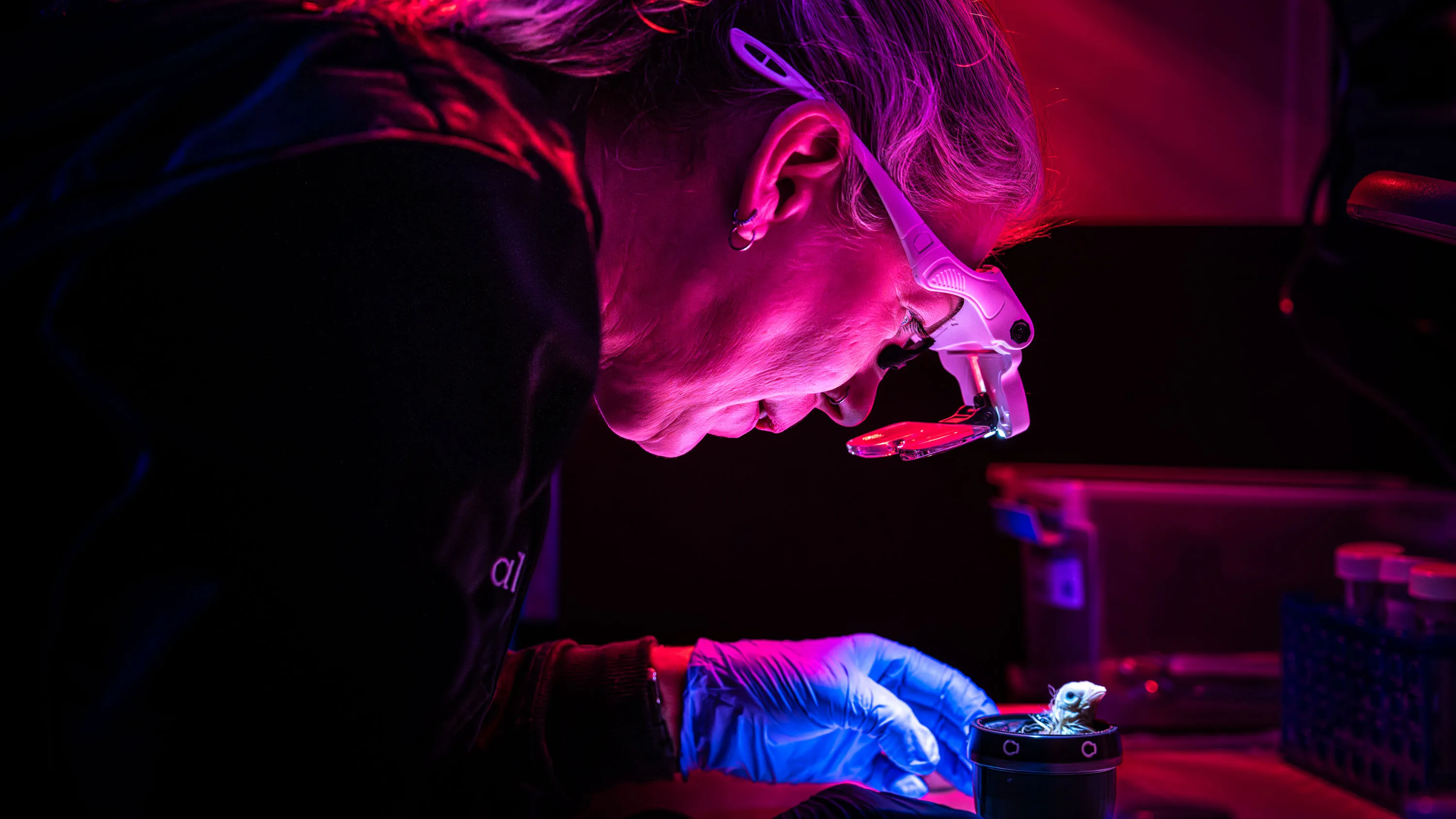
Colossal Biosciences, a biotechnology firm based in Dallas, has successfully hatched 26 chicken embryos using a 3D-printed artificial eggshell. The device, which consists of an oval-shaped printed lattice coated with a silicone-based membrane, allows oxygen permeation similar to a natural shell. The company transferred the contents of recently laid chicken eggs into these containers, where the embryos continued to develop until hatching. Production of the artificial eggs has since been paused after the company’s chief executive requested a halt due to the high volume of resulting birds.
The artificial shell features a viewing window on top, enabling researchers to observe the developing embryos. Andrew Pask, the company’s chief biology officer, described the experience of seeing the chicks moving inside the transparent containers as significant for the field of ex utero development. To supplement the calcium typically provided by natural shells, the company adds ground-up calcium to the artificial eggs. The technology is part of Colossal’s broader mission to resurrect extinct species, including the giant moa and the dodo, by creating scalable incubation environments.
While Colossal describes the device as a breakthrough in shell-less incubation, some scientists argue it is a modification of existing methods. Katsuya Obara of the University of Tsukuba, who hatched chickens beneath transparent plastic film in 2024, stated that the technology is essentially a variation of prior systems. He noted that growing birds in artificial containers dates back to 1998, when a Japanese group successfully hatched quail in similar vessels. Obara characterised Colossal’s claim of solving the “impossible question” of shell-less incubation as an overstatement.
A potential advance offered by Colossal is the special silicone membrane, which allows embryos to access sufficient oxygen without the need for external gas supplementation. Previous artificial incubation systems often required gas supplementation, which has historically led to hatching failures. The work was conducted by Colossal’s exogenous development team, known as Exo Dev, which is also developing artificial wombs for mammals, beginning with marsupials. The team aims to study uterine disorders and early pregnancy stages, with long-term interest in potentially growing human fetuses.
The path to resurrecting the giant moa remains technically challenging. The flightless bird, which went extinct approximately 750 years ago in New Zealand, laid four-litre eggs, significantly larger than those of living chickens. Colossal has a prototype for a larger version of the artificial egg, nicknamed the “salad spinner,” intended for such species. However, experts like Helen Sang of the Roslin Institute highlight significant hurdles, including the insufficient yolk mass in chicken eggs to support a moa embryo. Pask suggests that multiple yolks could be combined to create a larger nutrient mass, but genetic engineering of avian stem cells remains a complex process limited to chickens.
Colossal was founded in 2021 with the goal of using gene editing and reproductive technology to restore extinct species. The company has raised more than $800 million for its projects. Despite the successful chicken trial, the firm has faced criticism for exaggerated claims, such as a previously rejected assertion that it had re-created the extinct dire wolf. The current artificial egg project represents a step toward creating controllable animal creation, though scientists caution that the genetic and biological challenges of de-extinction are substantial.
