Colombia’s Petro to deliver farewell address as transfer-of-power tensions escalate
The outgoing president has called for nationwide protests on Independence Day while blocking President-elect Abelardo de la Espriella’s request to hold the inauguration at a military base.
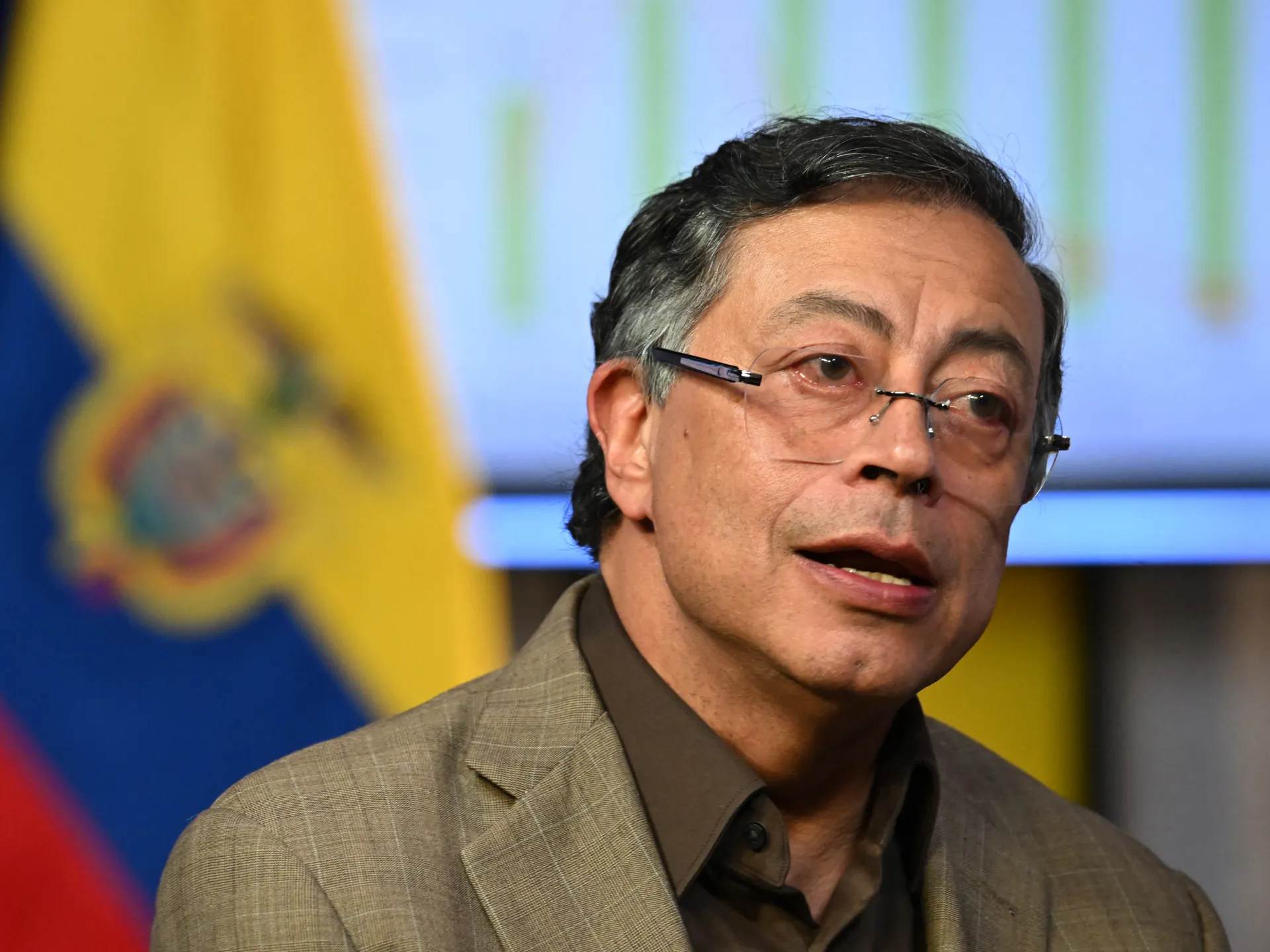
Outgoing Colombian President Gustavo Petro is set to deliver a public farewell address on Monday, coinciding with Independence Day, as tensions surrounding the country’s transfer of power reach a critical juncture. Petro has called for a general mobilisation on July 20, inviting supporters to gather to advocate for the continuation of social reforms while disputing the results of last month’s presidential election. The election was won by right-wing lawyer Abelardo de la Espriella by a margin of less than one percent, marking one of the closest contests in the nation’s history.
The dispute has extended to the logistics of the inauguration scheduled for August 7. De la Espriella requested permission to take his oath of office at a military base in southern Colombia, stating he wished to pay tribute to the heroes of the homeland and the military personnel who protect institutional stability. Petro rejected this proposal on July 12, ordering that no military establishment be used for the ceremony. The outgoing president asserted that constitutional rules require the president to take office before Congress in a full session, maintaining that military and police bases remain under his command until the transition is complete.
Petro has also raised allegations of foreign interference, specifically accusing Israel of meddling in the electoral process. He claimed that the state of Israel accessed the website of Colombia’s National Registry to manipulate polling data, arguing that this violated national sovereignty. These claims have been dismissed by officials, including Inspector General Gregorio Eljach, and international observers have found no evidence of fraud. Despite promising a peaceful transition, Petro confirmed he will not attend the inauguration ceremony on August 7.
In response to the outgoing president’s actions, De la Espriella has accused Petro of plotting a coup to prevent him from taking office, although he provided no evidence to support the allegation. The president-elect, who is backed by US President Donald Trump and has been a vocal supporter of Israel, has pledged to restore diplomatic ties with the Middle Eastern nation. This includes plans to open a Colombian embassy in Jerusalem and withdraw Colombia’s support for South Africa’s case against Israel at the International Court of Justice.
The diplomatic shift has drawn sharp criticism from Petro, who severed ties with Israel in 2024 over its war on Gaza. Petro responded to De la Espriella’s stance by labeling his successor an accomplice to genocide. De la Espriella has also condemned Petro’s calls for civil disobedience as urban terrorism, vowing there will be no leniency for those challenging the constitutional order as the country navigates this contentious political transition.