Colombian FARC dissidents cite security failures in declaration of renewed conflict
Former members of the Revolutionary Armed Forces of Colombia claim the 2016 agreement left them vulnerable, prompting a return to armed struggle.
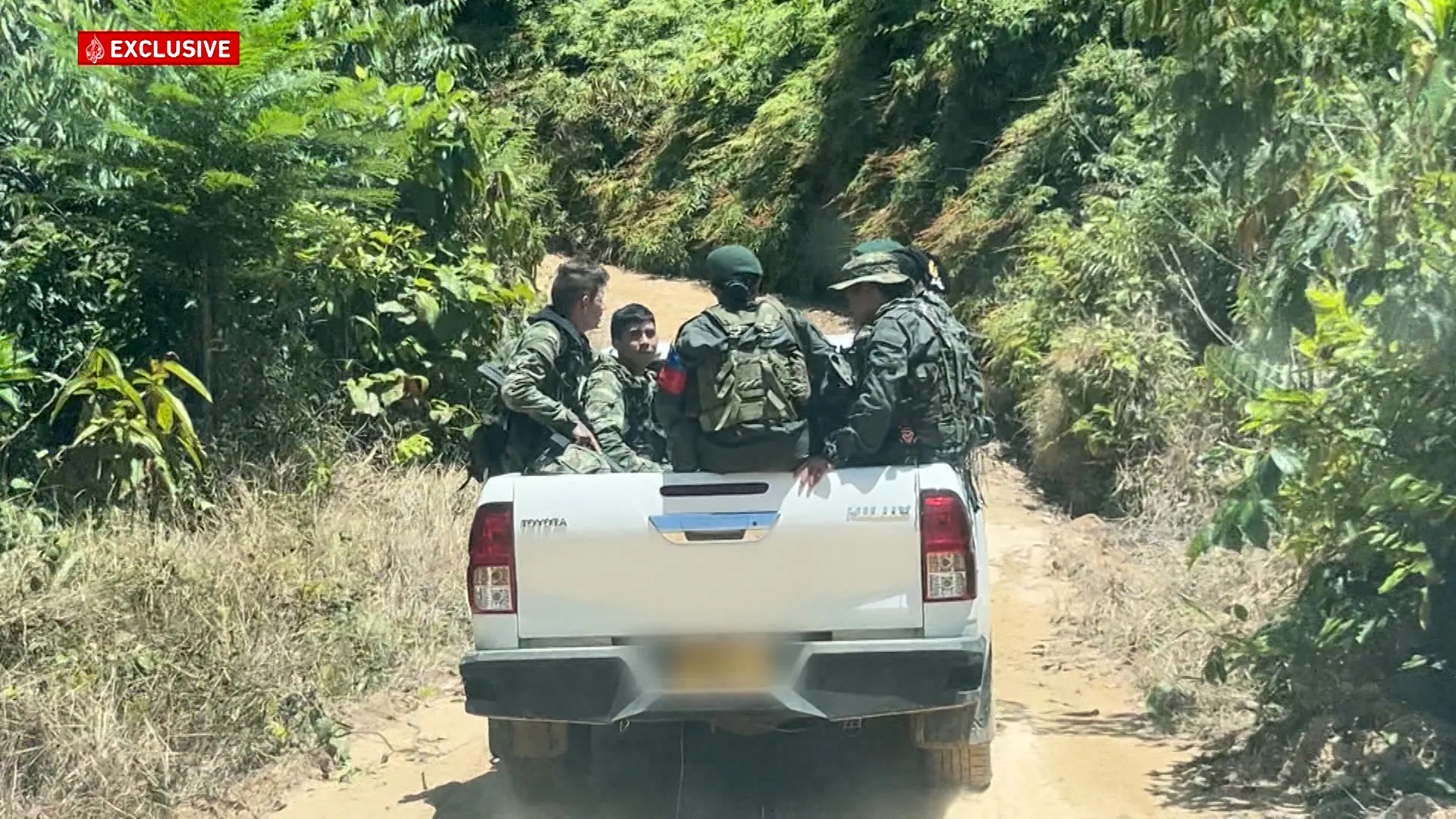
FARC dissidents in Colombia have declared a return to armed conflict, attributing the escalation to the failure of the historic peace deal to provide adequate security. The claims were made during an exclusive interview with Al Jazeera, which provided the primary account of the faction’s stance on the breakdown of the post-accord arrangement.
The group identifies itself as part of the broader FARC movement but distinguishes its current activities from the demobilised forces that signed the 2016 agreement with the Colombian government. According to the interview, these dissidents rejected the initial peace process and argue that the subsequent security guarantees were insufficient to protect their interests or personnel.
The 2016 peace deal, which ended decades of armed conflict between the state and the Revolutionary Armed Forces of Colombia, remains a pivotal moment in the nation’s political history. However, the implementation of security measures and the integration of former combatants have faced ongoing scrutiny. The dissidents’ statement suggests that for this specific faction, the accord did not deliver the stability or protection they anticipated.
Al Jazeera’s reporting indicates that the faction views the current security environment as a direct consequence of the peace agreement’s shortcomings. This perspective frames their return to war not merely as a continuation of old hostilities, but as a reaction to perceived institutional failures in upholding the terms that were supposed to govern the post-conflict era.
While the interview confirms the faction’s intent to resume armed activities, it does not provide specific details regarding the leadership structure or the precise nature of the security failures cited. The report also does not offer independent verification of the dissidents’ claims or detail the current territorial control of the group.
The statement highlights the persistent challenges in consolidating peace in Colombia, where other armed groups and low-level conflicts have continued to operate alongside the formal peace process. The dissidents’ declaration underscores the complexity of the security landscape and the varying interpretations of the peace deal’s success among former combatants.
As the Colombian government navigates these ongoing tensions, the exclusive interview serves as a reminder that the end of major hostilities in 2016 did not fully resolve the underlying security concerns for all factions involved in the decades-long conflict.