Colombia votes on Petro’s legacy in high-stakes presidential election
As Colombians head to the polls to elect a new president and vice president, the contest is widely viewed as a referendum on the governance and policy agenda of outgoing President Gustavo Petro.
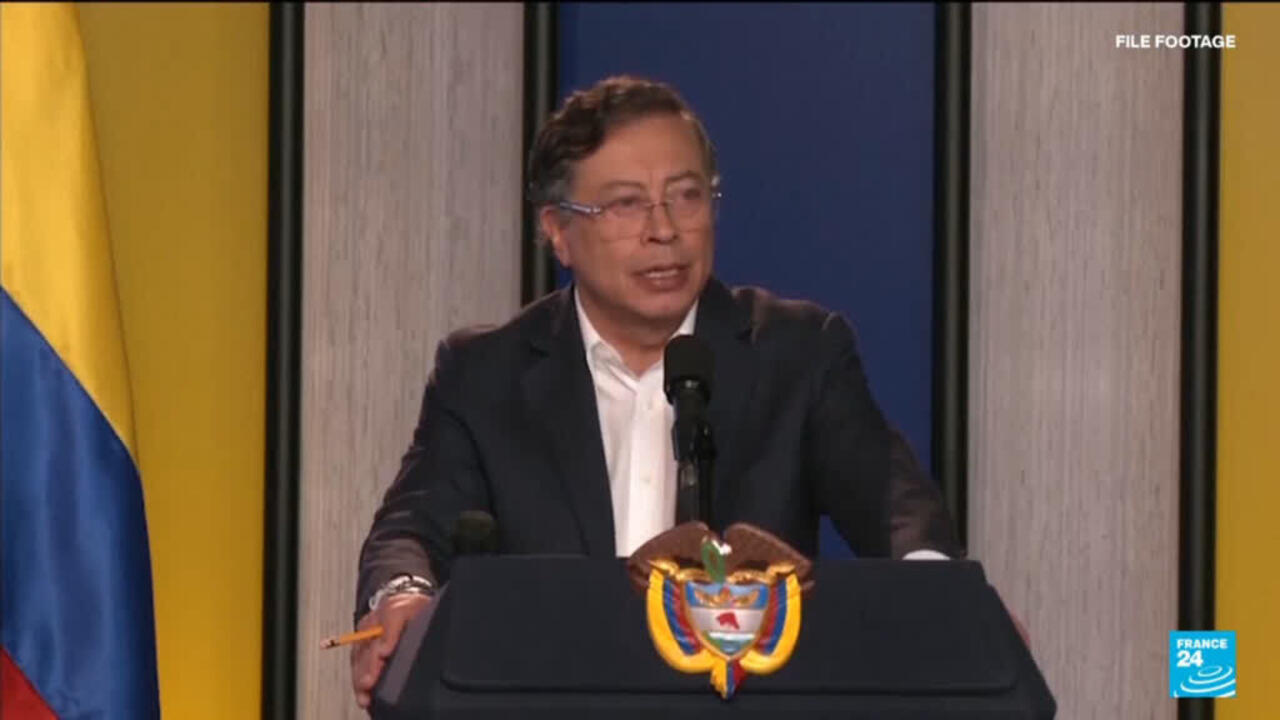
Colombians are casting their votes on Sunday to elect a new president and vice president, a contest that France 24 International reports has been framed as a direct referendum on the policies of outgoing President Gustavo Petro. The election represents a critical juncture for the nation, with the outcome likely to determine the continuity or reversal of the current administration’s legislative and diplomatic priorities.
Petro’s presidency has been defined by a complex political trajectory, rooted in his history as a former member of the M-19 guerrilla group, which was active during the 1970s and 1980s. His tenure has sought to translate that background into state policy, focusing on significant social and economic reforms aimed at restructuring the country’s institutional framework.
Central to the current political debate are Petro’s efforts to negotiate peace with remaining rebel groups. These negotiations have been characterised as controversial, reflecting the deep divisions within Colombian society regarding the methods and implications of ending decades of armed conflict. The success or failure of these talks remains a pivotal issue for voters assessing the administration’s record on security and stability.
In addition to security policy, the outgoing government has pursued an overhaul of the nation’s labour laws. This economic reform agenda is a key component of Petro’s broader social policy platform and is under intense scrutiny as the electorate decides whether to endorse or reject these structural changes. The labour reforms are seen as a test of the government’s ability to implement its economic vision amidst opposition.
The election serves as a high-stakes test of Petro’s agenda, with voters weighing the administration’s achievements against the challenges faced during his term. As the nation elects its next leader, the focus remains on whether the electorate supports the continuation of Petro’s specific approach to governance, peacebuilding, and economic reform.