Colombia rights ombudsman warns election violence could undermine democratic participation
The citizens’ rights ombudsman has cautioned that recent killings and intimidation tactics may hinder the exercise of political rights ahead of the May 31 vote to replace Gustavo Petro.
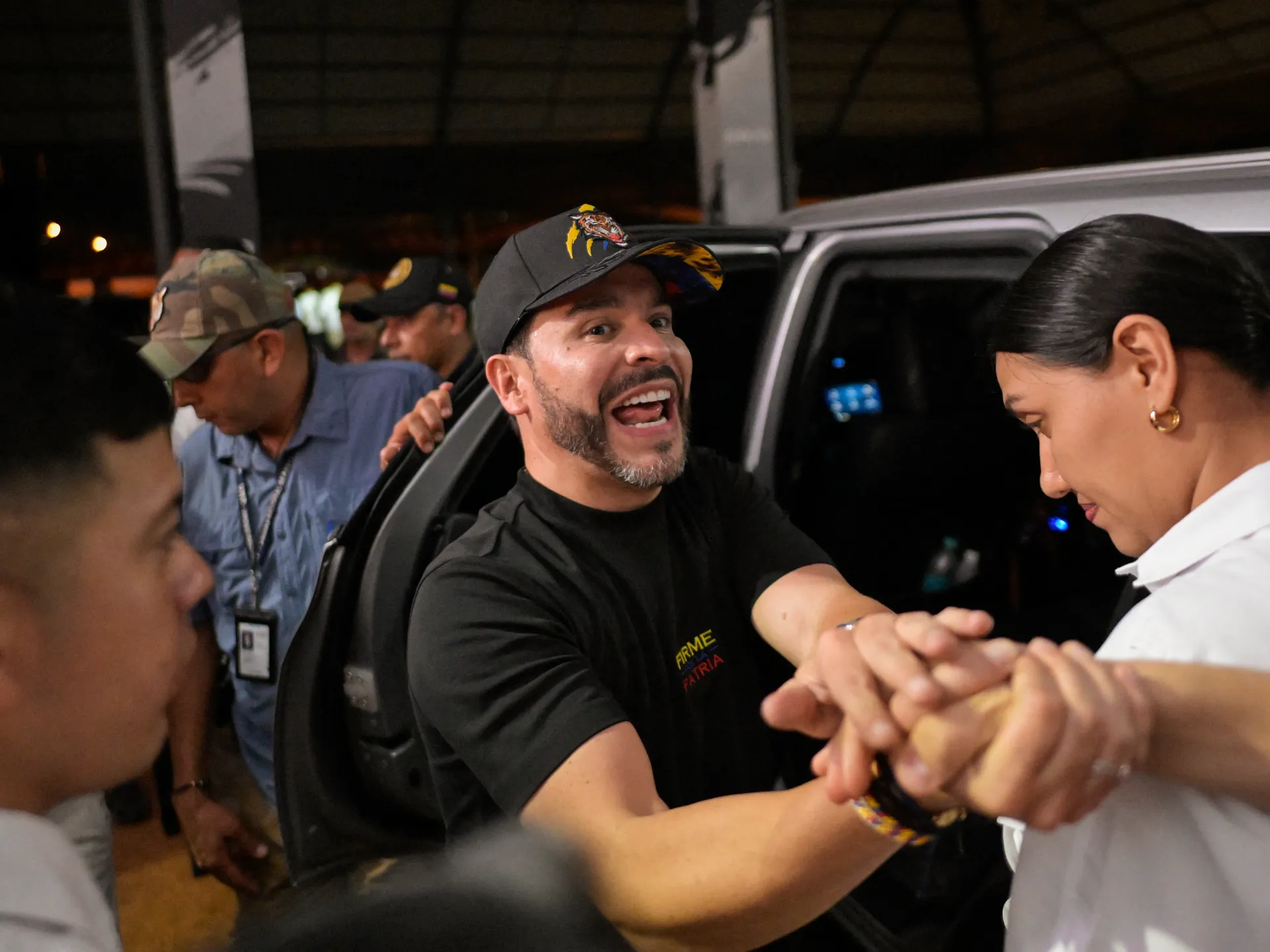
Two presidential campaign staffers were shot dead by gunmen on motorbikes in the central department of Meta on Friday night, marking a significant escalation in violence ahead of Colombia’s presidential election. The victims were identified by the citizens’ rights ombudsman as Rogers Mauricio Devia Escoba, former mayor of Cubarral, and his adviser, Eder Fabian Cardona Lopez.
The killings were announced by right-wing presidential candidate Abelardo de la Espriella, who described the men as defenders of democracy who were killed for believing in the Fatherland. In a post on the social media platform X, de la Espriella stated that their only crime was refusing to kneel before violence, framing the incident within the broader context of his campaign’s ideological stance.
The ombudsman’s office confirmed the deaths and reported a separate, unspecified attack against a former mayoral candidate in the Meta region. While specific motives remain under investigation, the office issued a stern warning that such violence, threats, and intimidation undermine public debate and weaken democratic coexistence. The statement emphasised that these actions could directly hinder the exercise of political rights and democratic participation in the upcoming vote.
Meta has historically been a stronghold for rebel fighters and cocaine trafficking, presenting a volatile security environment for the electoral process. The region’s instability is a critical factor in the race to replace Gustavo Petro, Colombia’s first leftist leader. The election features 14 registered candidates, with at least three having reported receiving death threats, highlighting the persistent risks facing political leaderships.
Polling data indicates that left-wing Senator Ivan Cepeda holds between 37 and 40 percent support, positioning him as the frontrunner. De la Espriella trails in second place with over 20 percent support, followed by centre-right Senator Paloma Valencia. Cepeda has pledged to continue Petro’s negotiated solution to the armed conflict, while de la Espriella has modelled his campaign on populist right-wing leaders such as El Salvador’s Nayib Bukele and Argentina’s Javier Milei.
The security landscape for the frontrunners remains tense, with all top candidates travelling with heavy security. The current violence follows a pattern of high-profile incidents in the race, including the June 2025 shooting of senator and presidential hopeful Miguel Uribe, who died in August, and the brief kidnapping of Cepeda’s vice-presidential running mate, Aida Quilcue, by FARC dissidents last year.