Colombia presidential runoff set for June 21
The runoff pits a Trump-aligned hardliner against an ally of President Gustavo Petro, with outcomes expected to reshape regional security and diplomatic ties.
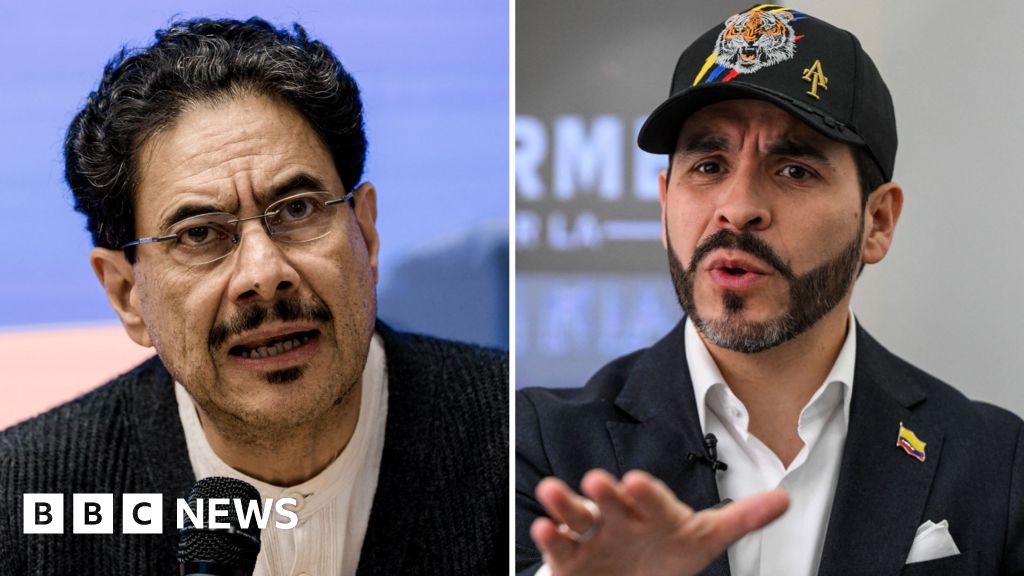
Colombia’s presidential election will proceed to a runoff on 21 June between right-wing candidate Abelardo de la Espriella and leftist senator Iván Cepeda. De la Espriella, an admirer of Donald Trump, led the initial vote with 43.7% of the ballot, while Cepeda, an ally of President Gustavo Petro, secured 41%. The campaign was marked by significant violence, including drone strikes and assassinations. De la Espriella advocates for a tough military crackdown on crime and closer cooperation with the United States, whereas Cepeda supports dialogue and negotiations with armed groups. The outcome is expected to influence Colombia’s relations with the US and neighbouring Ecuador.
The initial vote produced no outright winner, with official results showing De la Espriella trailing the polls but securing a narrow lead over Cepeda. De la Espriella, a lawyer and businessman who dubs himself "El Tigre", has modelled aspects of his platform on El Salvador’s President Nayib Bukele. He has pledged to build 10 mega-prisons in the jungle, expand military powers, and conduct mass trials, while also promising to drastically shrink the state. His campaign has drawn scrutiny regarding his past legal clients, including Alex Saab, a close ally of Venezuela’s former leader Nicolás Maduro, and Colombian fraudster David Murcia Guzmán.
Cepeda, an architect of President Petro’s "total peace" strategy, prioritises dialogue and negotiations with armed groups during ceasefires over military intervention. He was actively involved in the peace talks that led to the 2016 historic deal with the FARC guerrilla group. Cepeda has pledged economic reforms if elected, including expanding welfare benefits and handing land to victims of internal conflict. His approach contrasts sharply with the current administration’s record, where cocaine production hit a record high and violence on the border surged, though Petro’s government maintains it has seized the largest amount of drugs in history.
The runoff carries significant implications for Colombia’s relationship with the United States. De la Espriella has expressed a desire to strengthen the security alliance with the US and ideologically aligns himself with Trump’s muscular foreign policy approach to Latin America. In contrast, Cepeda, like Petro, has insisted that Colombia should not be a "vassal state" to the US. Trump has not openly endorsed a candidate in this election, although his administration has recently engaged in military raids and security alliances with right-leaning leaders in the region.
Relations with neighbouring Ecuador are also likely to be affected by the result. Ecuador’s President Daniel Noboa, who has imposed tariffs on Colombia over border security concerns, reached an agreement with De la Espriella to drop tariffs in exchange for a joint fight against narcoterrorism and the handover of criminals. Colombia’s foreign ministry accused Noboa of deliberate interference in its election. The moderate conservative senator Paloma Valencia came third in the initial vote, potentially allowing De la Espriella to pick up more conservative voters in the second round.
Historical context remains relevant to the contest, with Cepeda’s father, a senator and leader in Colombia’s Communist Party, being assassinated in 1994. This act of political violence has shaped the political legacies of both candidates. As the nation prepares for the final ballot, the choice between a hardline military crackdown and a negotiated peace strategy will define Colombia’s domestic stability and its position in a shifting regional landscape.