Colombia hosts international summit to break fossil fuel diplomatic deadlock
Despite significant renewable energy gains, Colombia remains heavily reliant on hydrocarbon exports, prompting critics to question the feasibility of a rapid global phase-out
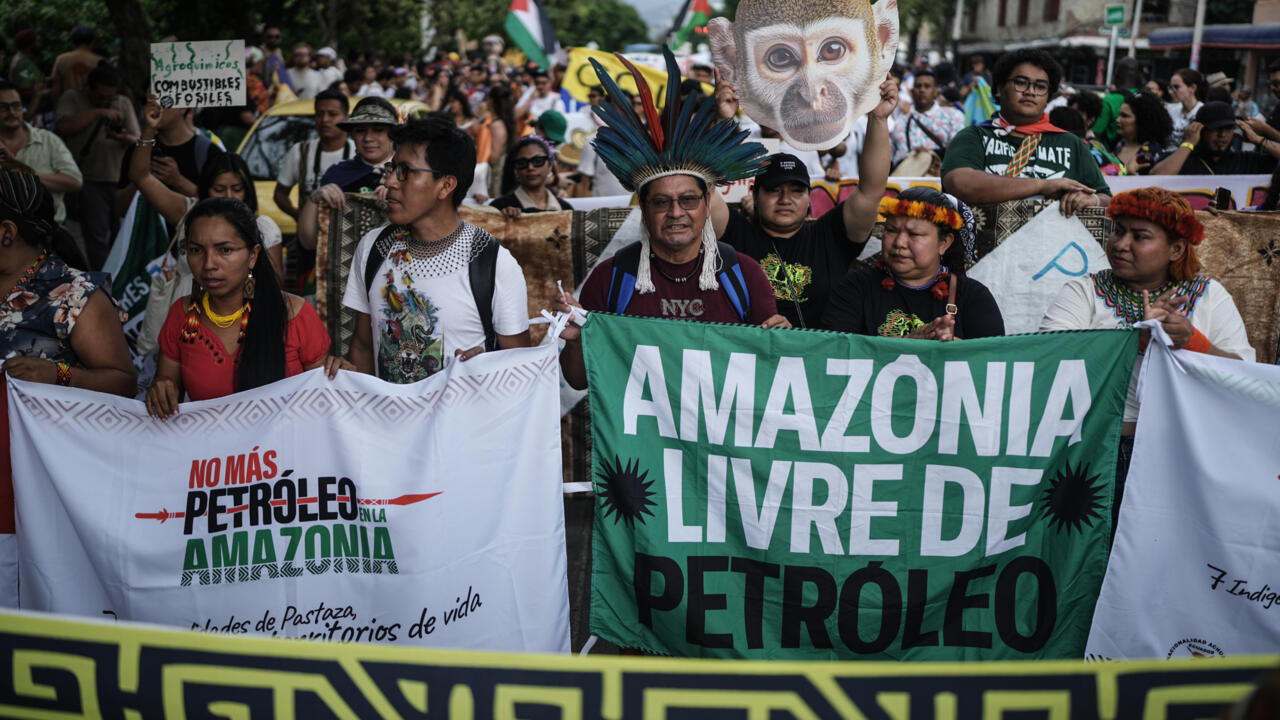
Energy ministers from approximately 50 nations have gathered in Santa Marta for a two-day summit organised by the Colombian government. The event aims to address the global transition away from fossil fuels and break the diplomatic stalemates that have characterised previous UN COP meetings. Colombian President Gustavo Petro is hosting the conference to position his nation as a leader in the fight against oil and coal dependency, a move that comes as his term concludes with presidential elections scheduled for May 31, 2026.
The summit was prompted by the realisation that major UN COP gatherings are no longer sufficient to tackle gas, oil, and coal production. Since the conclusion of COP28 in Dubai in 2023, negotiations have stalled with discussions systematically blocked by major oil and gas-producing countries. Consequently, the focus has shifted from whether fossil fuels should be phased out to how ambitious nations can achieve concrete solutions. Petro hopes to champion a new international regulatory scheme to limit hydrocarbon and coal production, potentially building on a follow-up conference planned for Tuvalu later in the year.
Since taking office in August 2022, Petro has vowed to wean Colombia's economy off oil and coal, describing the addiction to fossil fuels as harmful to humanity. His administration has increased taxes on hydrocarbons, banned new oil exploration contracts, and suspended fracking projects. In 2025, solar power overtook coal for the first time in Colombia's energy generation, and coffee export earnings exceeded coal exports, marking a significant shift in the domestic energy mix.
While the country has increased its renewable energy share from 2 per cent in 2022 to 17 per cent in 2026, experts note that the nation remains far from shaking off the shackles of fossil fuel dependency. Oil and gas still account for 30 per cent of exports and 4 per cent of GDP. Tomas Gonzalez, director of the Regional Centre for Energy Studies, noted that oil remains a driving force behind the economy, bringing in nearly $15 billion for the state, which is essential for a country running a budget deficit.
A symbol of the difficulty in transitioning can be found just 200 kilometres from the summit venue. The Cerrejon mine, operated by the multinational Glencore, is one of the world's largest open-cast coal mines and is regularly criticised for its environmental and social impacts. Oscar Vanegas, a professor of economics, stated that moving away from fossil fuels will take several decades, acknowledging that it is not just a matter of stopping exploration but of being aware of the gradual nature required to transition a sector tethered to hydrocarbon revenues.
Petro, whose verbal facility has translated into action on the ground, has consistently criticised the devastating impact of oil addiction. In 2023, Colombia became the first non-island, oil-producing country to commit to the draft treaty on the non-proliferation of fossil fuels. By hosting this unprecedented gathering, the President aims to reach beyond his country's borders and spearhead a new diplomatic chapter, even as the reality of Colombia's economic reliance on state revenue from oil presents a complex challenge.