CNBC survey reveals World Cup viewership driven by demographics, not politics
A new survey from CNBC indicates that nearly half of registered voters watched the 2026 World Cup, with income and education levels proving to be stronger predictors of viewership than political affiliation.
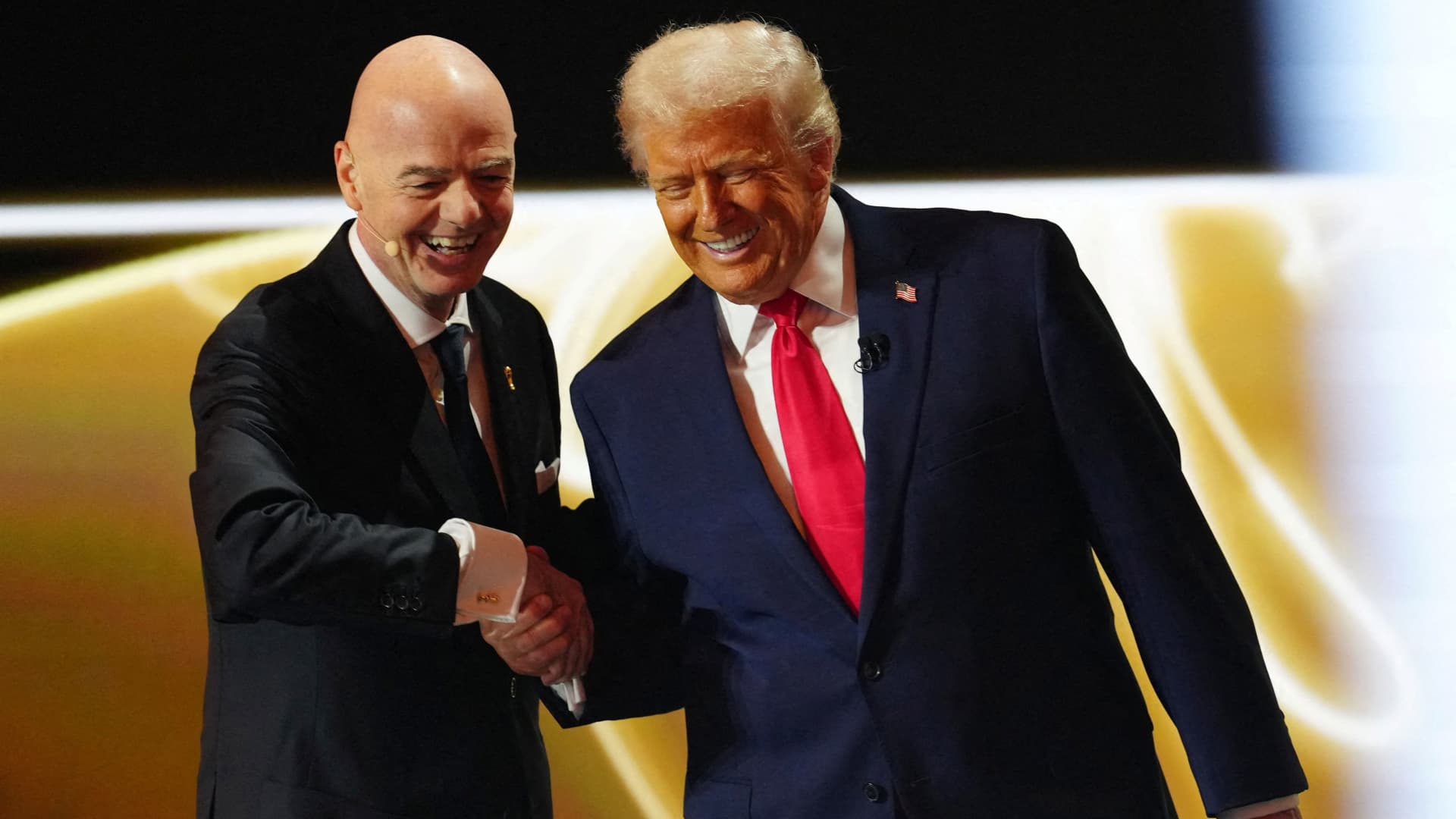
A survey conducted by CNBC has found that nearly half of registered voters tuned in to watch the 2026 World Cup. The data suggests that the tournament attracted a broad audience, with viewership patterns shaped more by socioeconomic factors than by political party allegiance.
According to the findings, income and education levels were more significant determinants of whether a voter watched the event than their political affiliation. This dynamic helped maintain a bipartisan audience for the tournament, even as former President Donald Trump played a prominent role in the event.
The survey results highlight a shift in how major sporting events engage the American public. While political figures often polarise audiences, the 2026 World Cup appears to have transcended these divisions. The data indicates that demographic characteristics such as earnings and educational attainment were better indicators of viewership habits than party loyalty.
Former President Donald Trump’s involvement in the 2026 World Cup was notable, yet it did not fracture the audience along traditional political lines. The CNBC survey found that the presence of a high-profile political figure did not deter viewers from opposing parties, suggesting that the sport itself served as a unifying factor for a significant portion of the electorate.
The findings come from a survey released by CNBC, a financial news outlet. While the source is primarily focused on markets and finance, the data provides insight into consumer behaviour and audience engagement across the broader population. The survey underscores the universal appeal of the World Cup, which continues to draw viewers regardless of the political climate surrounding the host nation.
As the 2026 World Cup concludes, the data offers a clear picture of its reach. The tournament succeeded in capturing the attention of nearly half of all registered voters, proving that major global sporting events can still command a diverse and widespread audience in an increasingly polarised media landscape.