CMS Oz projects stable Medicare Part D premiums as Trump administration ends $9.8bn subsidy
Dr Mehmet Oz says most seniors will see increases under $10, but officials acknowledge only a quarter of enrollees may benefit from flat or lower rates.
The Trump administration is winding down a $9.8 billion federal subsidy program for Medicare Part D standalone prescription drug plans, a move that has sparked conflicting projections regarding future costs for American seniors. The initiative, originally established under the Biden administration in 2024, provided federal funding to restrain premium increases for the drug coverage component of Medicare.
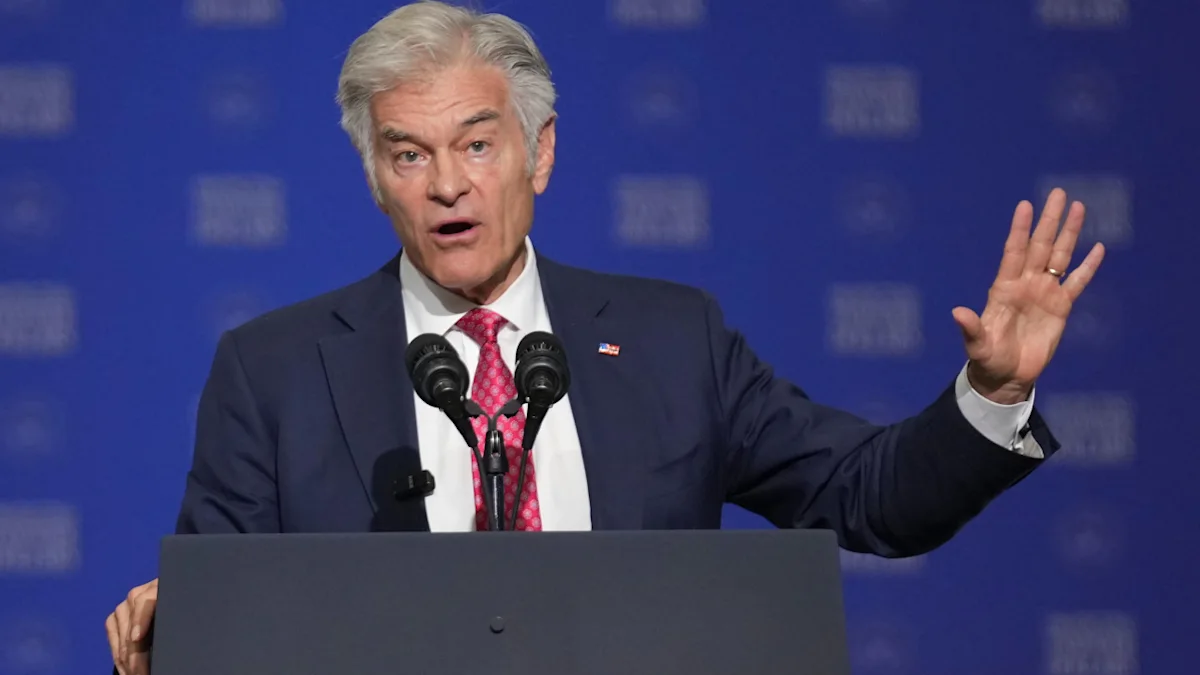
Dr Mehmet Oz, head of the Centers for Medicare and Medicaid Services (CMS), stated on social media platform X that the market has stabilised and the subsidy is no longer required. He asserted that "many" seniors would see lower premiums for drug coverage next year, with increases capped at less than $10 for most recipients. Oz characterised the previous federal support as an unnecessary lifeline that primarily benefited private health insurers rather than beneficiaries.
However, the outlook for enrollees appears more complex than the CMS head’s optimistic assessment. A Trump administration official told the Wall Street Journal that only about a quarter of enrollees are projected to see premiums remain flat or lower. This discrepancy highlights the uncertainty surrounding the 2027 Part D charges, which CMS is expected to announce in September.
The Government Accountability Office (GAO) has issued warnings regarding the financial impact of the subsidy withdrawal. Using CMS data, the agency projected that without the federal support, 30% of beneficiaries could have seen average monthly premiums rise by $40 to $100. For approximately 1 million enrollees, representing 7% of the total, premiums could have increased by at least $100 per month.
Juliette Cubanski of the Kaiser Family Foundation noted that the subsidy program had worked as intended in leveling off premium increases and preserving stable enrollment for the 25 million Americans enrolled in standalone drug plans. Meanwhile, political opponents are leveraging the potential cost increases to argue that the administration’s policy decisions are driving up the cost of living for those on fixed incomes.