Climate shift redistributes malaria risk across Africa as health systems face new pressures
A study in Nature reveals that while parts of West Africa may become too hot for optimal transmission, Southern and East African highlands are becoming increasingly suitable for the disease, complicating efforts amid funding cuts.
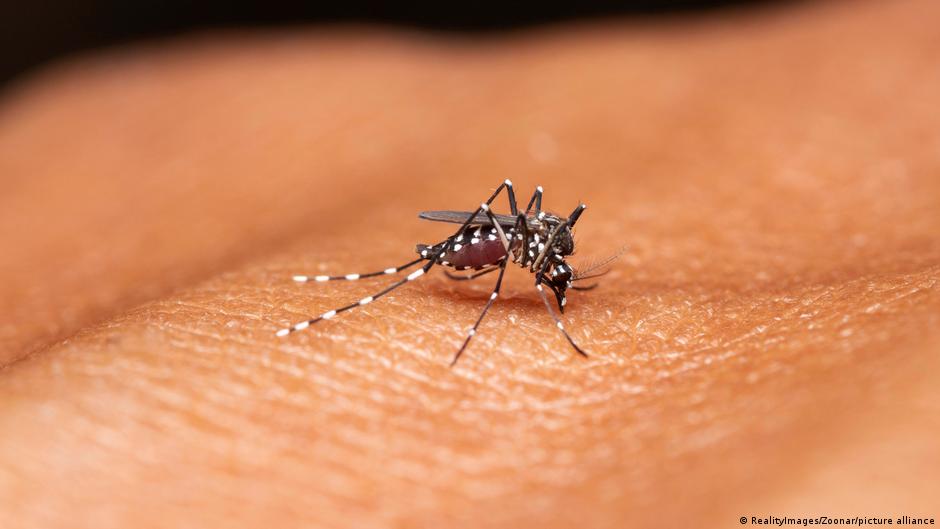
A study published in Nature indicates that rising temperatures are altering malaria transmission patterns across Africa, effectively redistributing the disease's geographic risk. While parts of West Africa are becoming too hot for optimal malaria transmission, areas in Southern Africa and the highlands of East Africa are becoming increasingly suitable for the disease. Experts warn that this shift, combined with recent funding cuts and health system weaknesses, threatens to undo progress in malaria control and places new burdens on regions historically less accustomed to fighting the disease.
The World Health Organization (WHO) African Region accounts for approximately 95% of global malaria cases and deaths, with Nigeria (31.9%), the Democratic Republic of Congo (11.7%), and Niger (6.1%) accounting for more than half of all deaths in the region. Children under five years of age account for about 76% of malaria deaths in the region. The WHO has recommended wider use of the RTS,S/AS01 malaria vaccine among children in regions with moderate to high transmission by the Plasmodium falciparum parasite.
The Nature study identifies specific temperature thresholds for malaria transmission: efficiency peaks at approximately 25°C, drops significantly below 16°C, and becomes unlikely above 34°C. Olugbenga Mokuolu, Professor of Paediatrics at Nigeria's University of Ilorin, described the situation as a "story of two very different regions," where West/Central Africa may receive an "unplanned assist" from climate, while East and Southern Africa face a growing new threat.
Olumide Idowu, founder of the International Climate Change Development Initiative, noted that while many African countries have developed adaptation plans, implementation has lagged behind the pace of climate change. Idowu emphasised that without significant investment in local institutional capacity and embedding health as a core pillar of climate resilience, many African countries risk being unprepared for the changing epidemiological landscape.
In response to the disease, a study in The Lancet found that the RTS,S/AS01 malaria vaccine reduced all-cause mortality among eligible children by 13.2% in pilot programmes in Ghana, Kenya, and Malawi. However, the WHO warned in April 2025 that funding cuts are jeopardising control efforts, with over half of surveyed endemic countries reporting moderate or severe disruptions to services. Mokuolu urged countries in West and Central Africa to sustain elimination efforts, warning that resistance to insecticides and drugs could negate any reduction in transmission associated with rising temperatures.