Climate change identified as primary driver of intensifying European drought risk
New research indicates that human-caused warming has made extremely dry soils five times more likely in western Europe and 11 times more likely in eastern Europe, with evaporative demand soaring to levels 80 times more probable under current trends.
An international consortium of scientists has determined that human-caused climate change has significantly intensified drought risks across Europe, identifying extreme heat as the dominant factor behind the continent’s exceptionally dry conditions. The analysis, conducted by the World Weather Attribution group, challenges the conventional focus on precipitation deficits, revealing that a warmer atmosphere is now the primary engine of moisture loss from European soils, lakes, and rivers.
The study utilised weather data and computer models to compare current environmental conditions against a hypothetical scenario where global temperatures remained 1.4C cooler. The findings indicate that extremely dry soils are now five times more likely in western Europe and 11 times more likely in eastern Europe due to anthropogenic warming. Furthermore, the exceptionally high evaporative demand observed across western Europe between April and June was calculated to be approximately 80 times more likely under current warming trends.
Mariam Zachariah, a co-author from Imperial College London, emphasised that the current crisis is driven by atmospheric thirst rather than a lack of rain. She noted that a warmer atmosphere can hold roughly seven per cent more water vapour for every 1C rise in temperature. Consequently, rainfall deficits that might not have triggered a drought in the pre-industrial climate are now capable of producing severe dry conditions, even in regions where seasonal rainfall levels are stable or projected to increase.
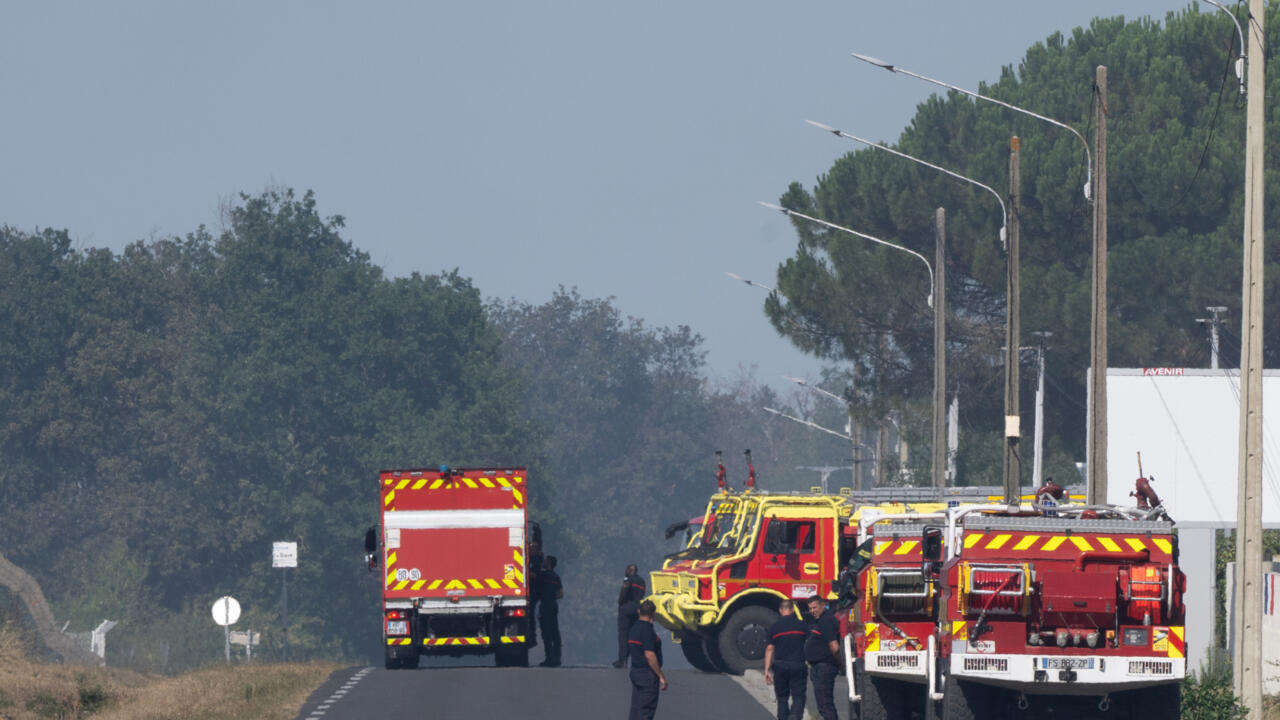
The urgency of these findings is underscored by the historic heatwave recorded in June, which the Copernicus Climate Change Service confirmed was the hottest on record for western Europe. This extreme weather event resulted in thousands of excess deaths and left parched rivers and devastating wildfires in its wake, with countries from France to Romania implementing water restrictions. The rapid drying of land, even in areas that experienced relatively wet winters, has primed the terrain for further fire risk.
Dominik Schumacher from ETH Zurich explained the feedback loop driving this intensification, noting that increasingly hot air soaks soils dry, which in turn causes the land to heat up further. With the planet having warmed approximately 1.4C since the 1850–1900 baseline period, scientists identify Europe as the world’s fastest-warming continent. The research confirms that climate change is making destructive events such as droughts and heatwaves more frequent and intense, fundamentally altering the region's environmental governance challenges.