Climate and food shocks may test institutions and increase conflict risk
Research cited by Deutsche Welle identifies parts of South Asia and the Sahel as especially vulnerable, while warning that agricultural gains can also intensify competition over land and resources.
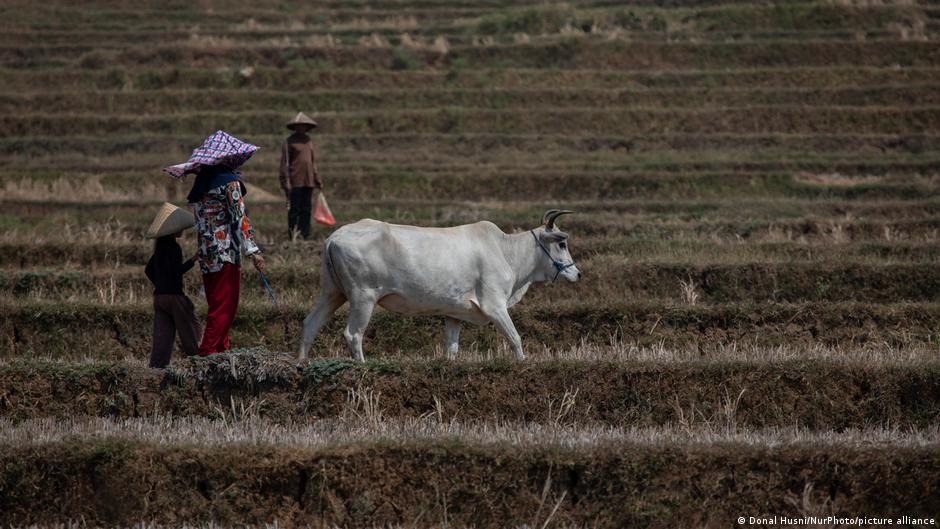
Climate change, food insecurity, war and trade disruption may increase conflict risks by intensifying competition over land, water, livelihoods and food supplies, according to research reported by Deutsche Welle.
The Climate-Driven Agricultural Decline Index, developed by Hannes Mueller and colleagues, maps climate-related changes in agricultural productivity. The research identifies the heaviest losses in tropical regions and cites Cambodia, Bangladesh, Burundi, Nigeria, Paraguay and El Salvador among countries already experiencing agricultural decline.
The risks do not arise from scarcity alone. In some areas, climate change may make land more productive and valuable, attracting investors and increasing competition over ownership and access. The research suggests that even projected gains can create tensions between winners and losers, including where expected changes have yet to occur.
Food insecurity can be worsened by droughts, extreme weather, wars, export restrictions, disrupted trade and higher fertiliser costs. These pressures may contribute to unrest, migration, weakened governments and recruitment by armed groups, but the research does not present food insecurity as an automatic cause of conflict.
Parts of South Asia and the Sahel are highlighted as requiring close attention because of climate vulnerability and population growth. South Asia faces overlapping pressures from heat, flooding, declining productivity, saltwater intrusion, vulnerable water supplies and dependence on imported wheat, maize and palm oil.
The research suggests institutions are central to whether these pressures become violent. Democracies and other systems with functioning governments, courts and local negotiating mechanisms may be better placed to manage disputes over land, water and jobs. Where institutions are weak, climate and agricultural shocks may place additional pressure on social stability and peace.