Citizen Scientists Double Count of Brown Dwarfs in Galaxy Survey
The Backyard Worlds: Planet 9 project reveals new varieties of ultra-cool objects and aids mapping of galactic mass distribution
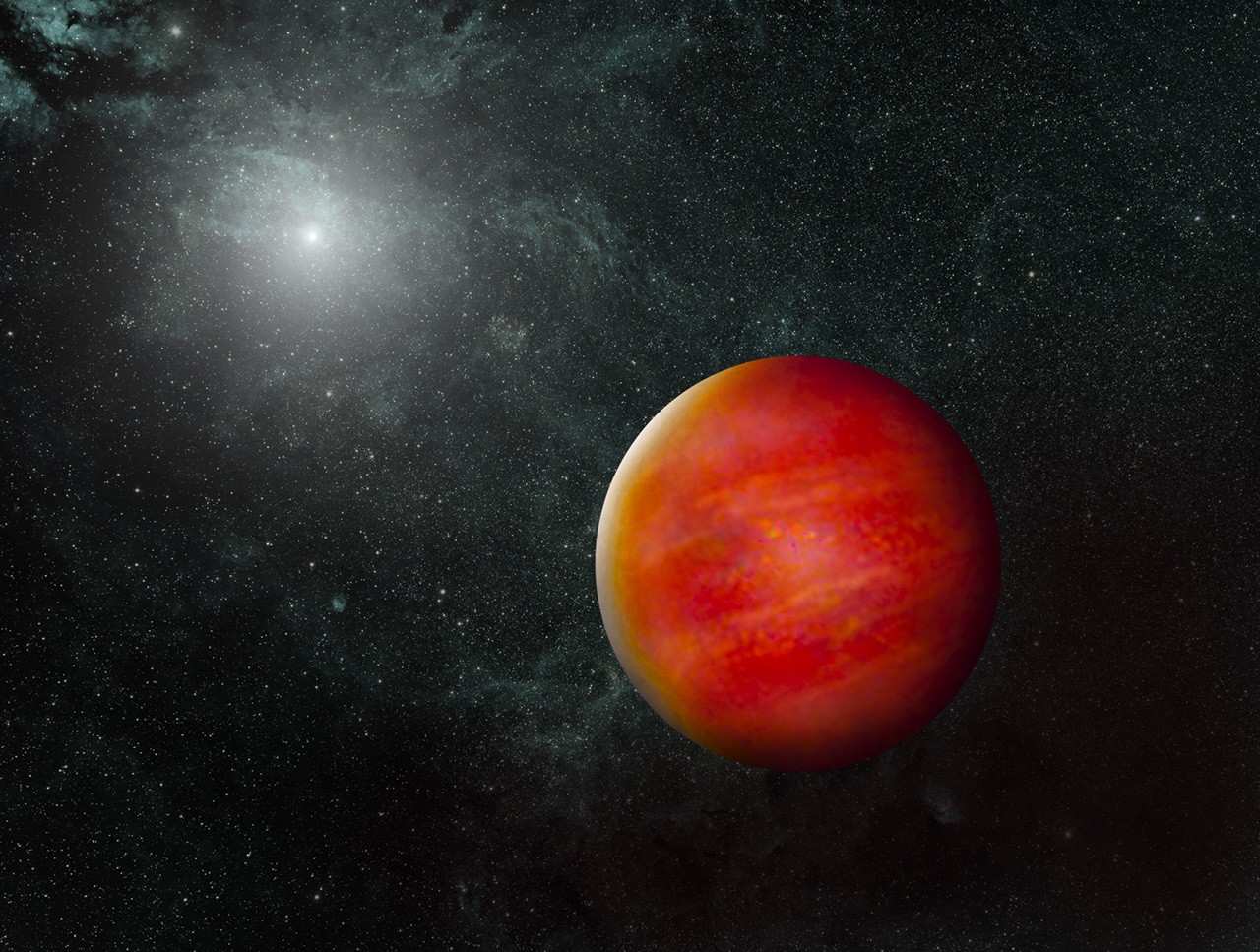
A new study published in the Astronomical Journal confirms that volunteers participating in NASA's Backyard Worlds: Planet 9 project have effectively doubled the known population of brown dwarfs. The research, led by astronomer Adam Schneider of the U.S. Naval Observatory, reports that more than 3,000 new discoveries were made over the past decade. These findings significantly expand the inventory of these elusive gas balls, which are roughly the size of Jupiter but less massive than stars.
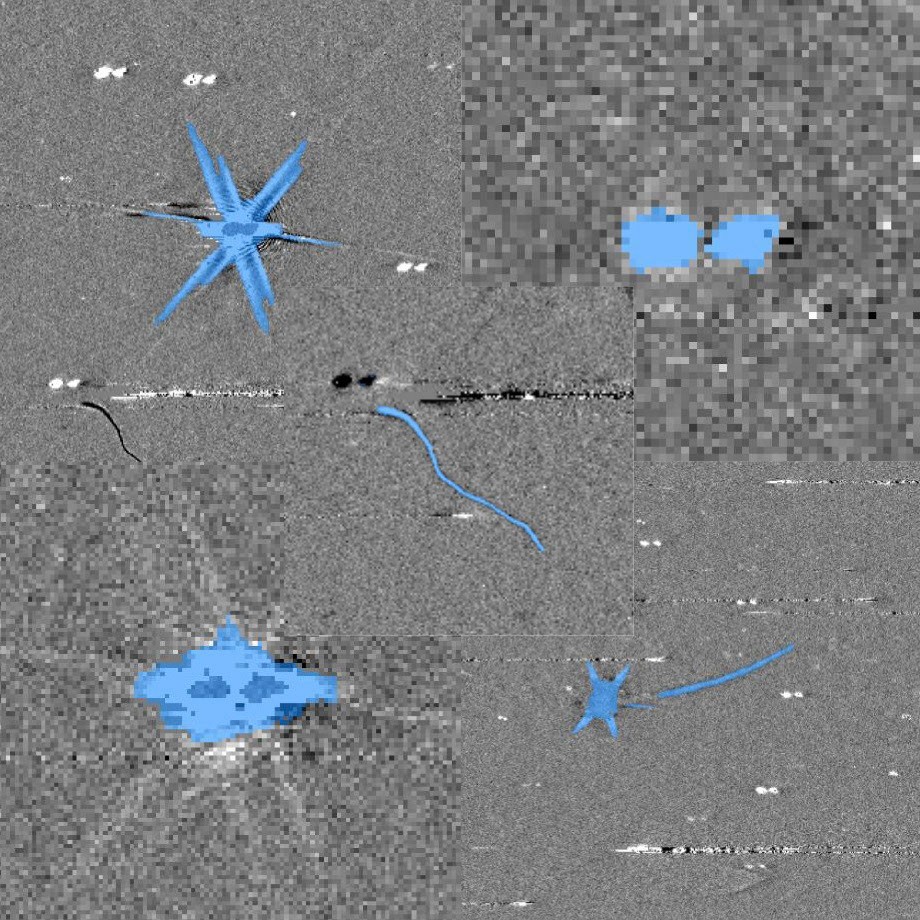
Brown dwarfs are common in the solar neighbourhood, with estimates suggesting one exists for every three or four stars near the Sun. However, their faint shine compared to regular stars makes them difficult to detect. The project allows the public to search for moving objects by blinking images taken over a 16-year period, a method that proved highly effective in identifying these hidden inhabitants of the cosmos.
The discoveries include new varieties such as extreme T subdwarfs and ultra-cool objects, providing astronomers with a deeper understanding of mass distribution in the galaxy. The paper lists 75 authors, with 61 of them being volunteers who contributed to the analysis. Two of the professional authors also began their careers as volunteers for the project, highlighting the pathway from citizen science to professional astronomy.
The work was conducted using data from NASA's retired Wide-field Infrared Survey Explorer (WISE) and the NEOWISE-R mission. Approximately 200,000 volunteers utilised the Zooniverse platform to examine the infrared imagery. Some participants even contributed by building their own search tools and data analysis software to aid the search for these faint objects.
The findings have already revealed rarities such as a brown dwarf that appears to have aurorae. Having twice as many brown dwarfs to study allows astronomers to better map our cosmic neighbourhood and understand the inventory of mass in our galaxy. The project continues to analyse more than 2 billion sources from the WISE and NEOWISE-R data archives.