Citadel’s Griffin builds commodities empire from Enron’s collapse
The Financial Times reports that Ken Griffin has established a significant commodities operation emerging from the aftermath of Enron’s failure.
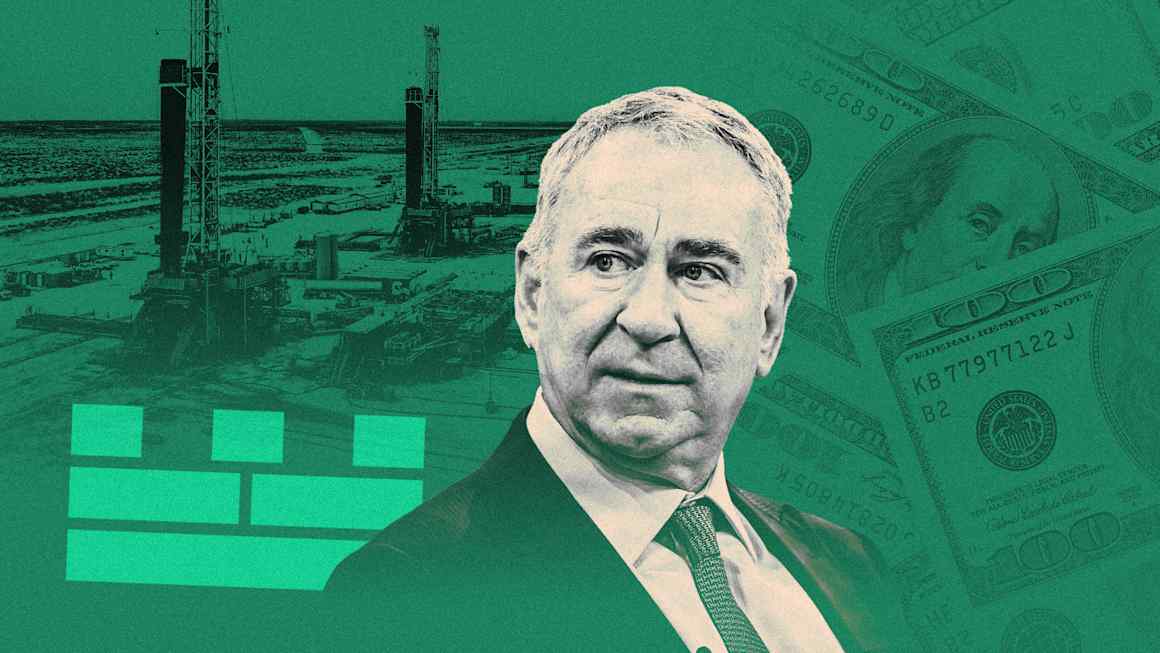
Ken Griffin, the founder of the hedge fund Citadel, has constructed a substantial commodities empire that reaches well beyond traditional financial trading, according to a report by the Financial Times. The expansion is characterised as emerging from the collapse of Enron, signalling a strategic shift into the energy commodities sector following the prominent energy company’s failure.
The development highlights a significant evolution in Griffin’s business interests, moving from a core focus on hedge fund management to a broader presence in physical and financial energy markets. The Financial Times describes the scale of this new venture as a "significant commodities empire," indicating a major diversification of Citadel’s operational footprint.
While the report links this growth to the void left by Enron’s collapse, it does not detail the specific mechanisms or assets involved in the transition. The language used suggests a strategic opportunity seized in the wake of the energy giant’s failure, rather than a direct legal or operational inheritance.
The report provides limited granular detail regarding the current size or specific holdings of the commodities division. However, the characterization of the venture as an empire underscores the magnitude of Griffin’s entry into the energy space, marking a notable shift in the landscape of major financial institutions engaging with physical commodities.
This expansion places Citadel at the centre of a growing trend where large hedge funds deepen their involvement in real-economy sectors. The move into energy commodities represents a distinct departure from pure financial trading, aligning Griffin’s firm more closely with the physical infrastructure and trading flows that underpin global energy markets.