CHP leadership crisis deepens as court ruling sparks procedural standoff
A Turkish court annulment of the 2023 primary has reinstated Kemal Kilicdaroglu, but Ozgur Ozel refuses to step down, citing democratic mandates. The resulting deadlock at party headquarters has prompted police intervention and raised concerns about early elections benefiting President Erdogan.
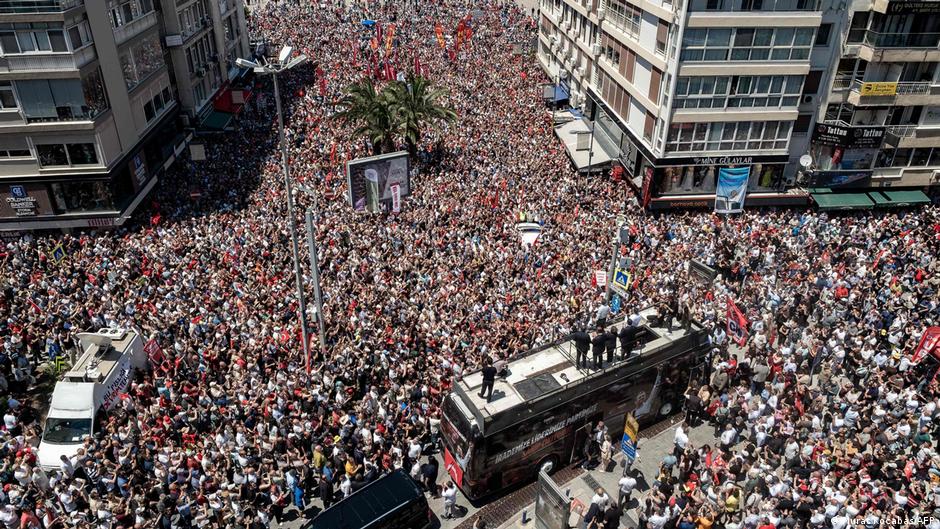
A significant leadership vacuum has opened within Turkey’s Republican People’s Party (CHP) following a court decision that annulled the results of its 2023 leadership primary. The ruling effectively reinstated Kemal Kilicdaroglu as interim leader, overturning the selection of Ozgur Ozel, who was elected in the original vote. The decision has triggered a sharp procedural dispute regarding how the party’s permanent leadership should be chosen, escalating tensions to the point of physical confrontation at the party’s headquarters.
Ozel, who was ousted by the court’s intervention, has firmly rejected calls to resign or form a rival faction. Speaking in Izmir during Eid al-Adha ceremonies, he dismissed speculation about establishing a new party and urged the CHP’s two million members to vote directly for a new leader. Ozel argued that Kilicdaroglu lacks a democratic mandate to head the party and insisted that the resolution must come through a direct member vote rather than a delegate conference.
Conversely, Kilicdaroglu maintains that the selection process must adhere to strict legal and procedural statutes. He stated there is no alternative to holding a party conference where delegates choose the successor, emphasizing that any leadership vote must be conducted on a legal basis in accordance with party rules. Kilicdaroglu also dispelled rumours of immediate expulsions, noting that such actions would require adherence to established protocols, while criticising the occupation of the party headquarters as an inappropriate response to the judicial ruling.
The dispute has manifested in visible unrest, with supporters of Ozel barricading themselves inside the CHP headquarters in protest. Police were forced to forcibly remove the demonstrators on Sunday, marking a significant escalation in the internal conflict. The incident underscores the fragility of the opposition’s organisational structure and the intensity of the disagreement over the path forward for the centre-left party.
Political analysts suggest that this internal division could precipitate early elections, a scenario that may benefit President Recep Tayyip Erdogan and his Justice and Development Party (AK Party). Experts note that a divided and legally constrained CHP would be vulnerable in a snap election, potentially allowing Erdogan to circumvent term limit rules that currently restrict him to two consecutive five-year terms. If elections are held before these limits are fully enforced, the 72-year-old president could remain in power.
This leadership crisis unfolds against a backdrop of heightened legal pressure on CHP figures, including the recent detention and charging of Istanbul Mayor Ekrem Imamoglu on corruption and other offences. While the government attributes these legal actions to rule of law issues within the opposition, critics allege they are part of a coordinated effort to sideline political rivals. The combination of judicial setbacks and internal discord has eroded the opposition’s cohesion, complicating its ability to challenge the AK Party’s dominance in upcoming political contests.